



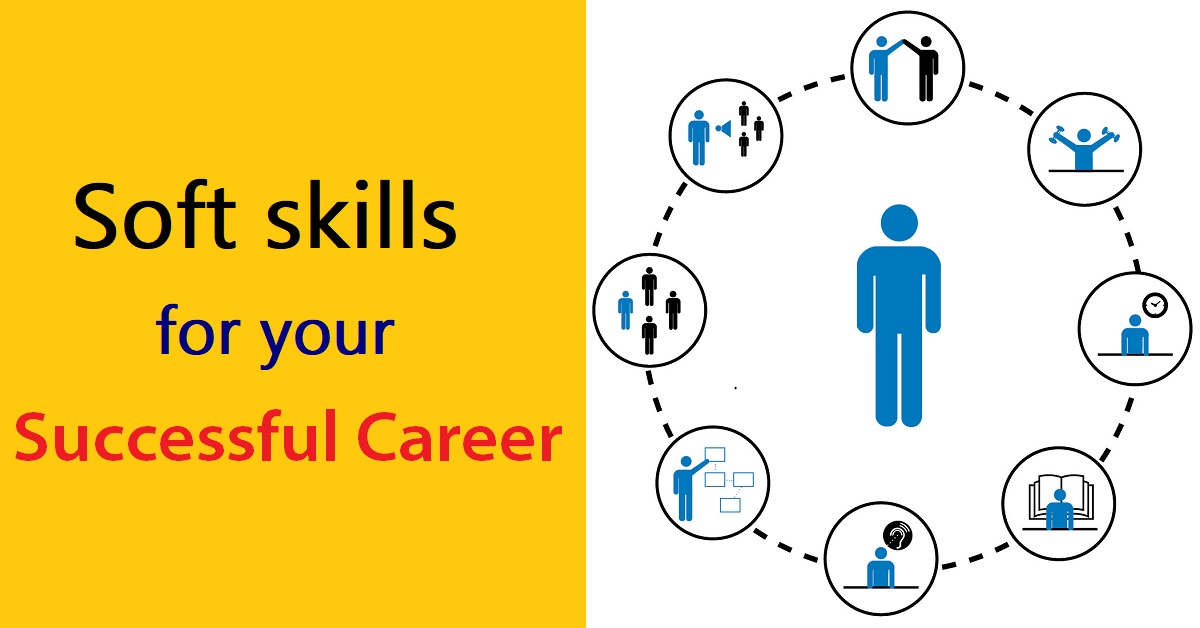
College life brings new responsibilities, academic pressure, independence, and opportunities for personal growth. Students are expected to manage classes, assignments, exams, social life, finances, and future planning, often at the same time. Developing the right skills early can make college more manageable and prepare students for life after graduation.
The following skills are useful for academic success, career readiness, and personal well-being.
Table of Content
- 1. Time Management
- 2. Communication Skills
- 3. Critical Thinking
- 4. Organization and Planning
- 5. Adaptability
- 6. Research and Information Literacy
- 7. Financial Literacy
- 8. Stress Management
- 9. Leadership and Teamwork
- 10. Resilience
- Conclusion
- Key Takeaways
1. Time Management
Time management is one of the most important skills for college students. Between lectures, assignments, exams, part-time work, extracurricular activities, and personal commitments, students need a clear way to use their time.
Good time management helps students meet deadlines, reduce last-minute stress, and maintain a healthier balance between study and personal life.
How to improve time management:
-
Create a weekly schedule for classes, study time, assignments, and rest.
-
Break large projects into smaller tasks with separate deadlines.
-
Prioritize important and urgent tasks first.
-
Avoid multitasking when deep focus is needed.
-
Use a planner, calendar app, or task-management tool.
A student managing classes, a part-time job, and personal responsibilities is less likely to feel overwhelmed when tasks are planned in advance.
2. Communication Skills
Communication skills help students express ideas clearly, listen actively, ask useful questions, and participate in academic and social settings. These skills matter in classroom discussions, group projects, presentations, internships, and job interviews.
Strong communication is not only about speaking well. It also includes writing clearly, listening respectfully, giving feedback, and understanding different viewpoints.
How to improve communication skills:
-
Practice class presentations and public speaking.
-
Take part in group discussions and debates.
-
Ask professors for feedback on writing and presentations.
-
Listen carefully before responding.
-
Learn how to write professional emails.
Students who communicate well can explain complex ideas more clearly and build stronger relationships with professors, classmates, and future employers.
3. Critical Thinking
Critical thinking is the ability to question information, examine evidence, compare perspectives, and make reasoned decisions. It helps students move beyond memorization and develop deeper understanding.
In college, critical thinking is useful for essays, research papers, exams, case studies, debates, and problem-solving. Outside college, it helps people evaluate news, make decisions, and respond thoughtfully to difficult situations.
How to improve critical thinking:
-
Question assumptions instead of accepting information immediately.
-
Compare different sources before forming an opinion.
-
Ask why, how, and what evidence supports a claim.
-
Discuss ideas with people who have different viewpoints.
-
Reflect on mistakes and learn from them.
A student with strong critical thinking skills can analyze an argument, identify weak evidence, and present a more balanced conclusion.
4. Organization and Planning
Organization helps students keep track of deadlines, notes, assignments, exams, meetings, and personal responsibilities. Without a clear system, college work can quickly become stressful.
Planning ahead also helps students avoid missed deadlines and rushed work. It makes academic life more predictable and gives students more control over their time.
How to improve organization and planning:
-
Use a planner or digital calendar for deadlines and exams.
-
Keep class notes and materials in separate folders.
-
Make daily or weekly to-do lists.
-
Review upcoming tasks at the start of each week.
-
Keep digital files clearly named and easy to find.
An organized student can prepare for exams, submit assignments on time, and manage multiple responsibilities with less confusion.
5. Adaptability
College often brings unexpected changes: new subjects, different teaching styles, difficult assignments, changing schedules, group-work challenges, or personal setbacks. Adaptability helps students adjust without losing focus.
Adaptable students are better prepared to learn from change, recover from mistakes, and handle unfamiliar situations. This skill is also valuable in modern workplaces, where roles and technologies can change quickly.
How to improve adaptability:
-
Treat change as part of learning.
-
Try new academic and extracurricular experiences.
-
Be open to feedback from professors and peers.
-
Learn from setbacks instead of avoiding them.
-
Develop a growth mindset.
A student who adjusts to a difficult course or a changed study plan shows resilience and flexibility.
6. Research and Information Literacy
College students often need to find, evaluate, and use information from books, journals, websites, reports, and databases. Research and information literacy help students identify reliable sources and avoid misinformation.
This skill is also important for academic integrity. Students must know how to cite sources correctly, avoid plagiarism, and distinguish evidence-based information from unsupported claims.
How to improve research skills:
-
Learn how to use the college library and academic databases.
-
Check the credibility of websites and authors.
-
Use current and relevant sources for assignments.
-
Keep track of citations while researching.
-
Ask librarians or professors for research guidance.
A student with strong research skills can prepare better assignments and make more informed decisions in daily life.
7. Financial Literacy
Financial literacy helps students manage money responsibly. College students may need to budget for tuition, rent, food, transport, books, internet, personal expenses, and loan payments.
Understanding money early can reduce financial stress and help students avoid unnecessary debt.
How to improve financial literacy:
-
Create a monthly budget and track expenses.
-
Learn the basics of loans, interest, credit cards, and savings.
-
Separate needs from wants.
-
Avoid unnecessary borrowing.
-
Use campus financial guidance services if available.
A financially aware student can make better choices about spending, saving, and planning for life after graduation.
8. Stress Management
College can be stressful because of exams, assignments, social pressure, financial concerns, and future uncertainty. Stress management helps students protect their mental and physical well-being.
Managing stress does not mean avoiding challenges. It means building healthy ways to respond to pressure.
How to manage stress:
-
Maintain a regular sleep schedule.
-
Take short breaks during study sessions.
-
Exercise or stay physically active.
-
Practice breathing, meditation, or quiet reflection.
-
Talk to trusted friends, family members, mentors, or campus counselors when needed.
A student who manages stress well is more likely to stay focused, make better decisions, and recover from difficult periods.
9. Leadership and Teamwork
College gives students many chances to work with others through group assignments, clubs, events, sports, volunteering, and student organizations. Leadership and teamwork help students contribute effectively in these settings.
Leadership is not only about holding a title. It includes responsibility, communication, decision-making, cooperation, and respect for others.
How to improve leadership and teamwork:
-
Participate actively in group projects.
-
Listen to team members before making decisions.
-
Take responsibility for assigned tasks.
-
Volunteer for roles in clubs or campus activities.
-
Learn how to manage disagreement respectfully.
A student who can work well with others and guide a team when needed will be better prepared for professional life.
10. Resilience
Resilience is the ability to recover from setbacks, disappointment, failure, or pressure. College students may face low grades, rejected applications, personal problems, or uncertainty about the future. Resilience helps them keep going and learn from difficult experiences.
Resilience does not mean ignoring problems. It means facing challenges with patience, support, and a willingness to improve.
How to build resilience:
-
Accept that setbacks are part of learning.
-
Seek help instead of handling every problem alone.
-
Build a support system of friends, mentors, and family.
-
Reflect on what went wrong and what can be improved.
-
Take care of mental and physical health.
A resilient student can recover from academic or personal challenges and continue working toward long-term goals.
Conclusion
College success depends on more than academic knowledge. Students also need practical life skills that help them manage time, communicate clearly, think critically, stay organized, adapt to change, research properly, manage money, handle stress, work with others, and recover from setbacks.
These skills develop gradually through practice. Students do not need to master everything at once. By improving one skill at a time and using support from professors, mentors, peers, and campus services, students can build a stronger foundation for academic success, career readiness, and personal growth.
Key Takeaways
-
Time management helps students meet deadlines and reduce stress.
-
Communication skills support class participation, teamwork, and career readiness.
-
Critical thinking helps students evaluate information and make better decisions.
-
Organization and planning make college responsibilities easier to manage.
-
Adaptability helps students adjust to change and uncertainty.
-
Research and information literacy support academic integrity and informed learning.
-
Financial literacy helps students manage money and avoid unnecessary debt.
-
Stress management supports mental and physical well-being.
-
Leadership and teamwork prepare students for group projects and professional settings.
-
Resilience helps students recover from setbacks and continue progressing.
