Caribbean College is an educational institution located in Mahalaxmisthan, Lalitpur, Nepal. It was established in 2006 and operates under the Caribbean Educational Foundation. The institution runs school-level education through Caribbean Secondary School and offers higher secondary education (+2) and university-level programs.
At the secondary level, Caribbean College offers +2 Science and +2 Management within Nepal’s National Examination Board (NEB) system. At the university level, it offers Tribhuvan University (TU) affiliated programs, including Bachelor of Computer Applications (BCA), Bachelor of Business Studies (BBS), and Master of Business Studies (MBS).
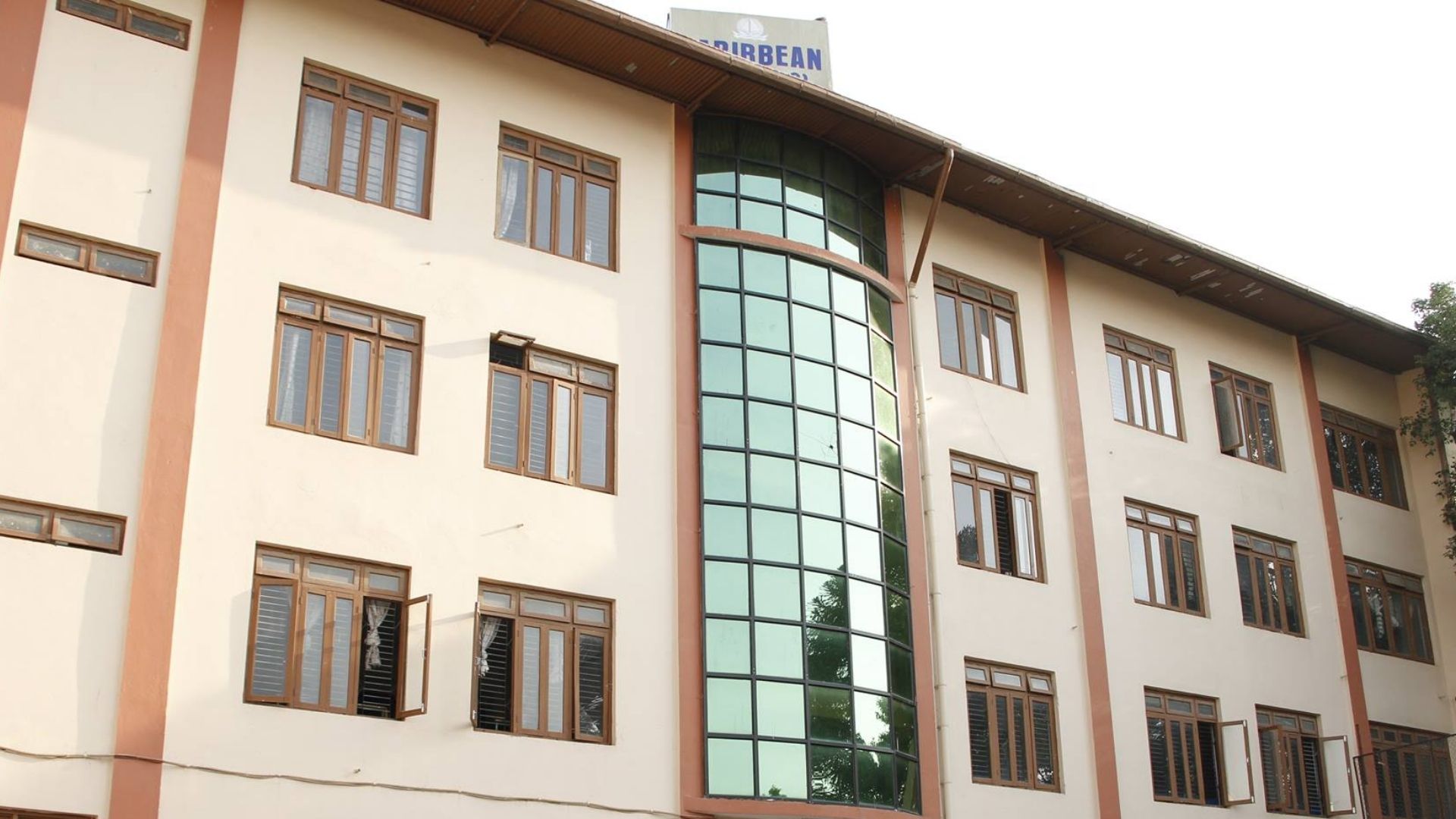
Location: Mahalaxmisthan, Lalitpur, Nepal
Established: 2006 AD
School level: Caribbean Secondary School (pre-school to secondary level)
+2 (NEB): Science, Management
Caribbean College, TU programs: BCA, BBS, MBS
Common facilities listed: library, science lab, computer lab, multimedia support, conference hall, sports, clubs, tours/field trips
Scholarships listed: merit-based, need-based
Admissions office contact (fee inquiry): 01-5441815 / 01-5427254
Office hours: Sunday to Friday, 10:00 AM to 4:00 PM (closed on public holidays)
Caribbean Secondary School is part of the same foundation and provides early years through primary and secondary schooling. For families, this structure can support continuity when a student moves from school to +2 within the same education group.
School-level learning typically focuses on building basic literacy, numeracy, study habits, and classroom discipline. These foundations matter later, especially for students entering Grade 11, where the academic load increases and internal assessments become more frequent.
Caribbean College follows the NEB curriculum for Grade 11 and Grade 12. In Nepal, NEB is the national body responsible for higher secondary examinations and related academic processes.
Compulsory subjects:
English
Nepali
Physics
Chemistry
Mathematics OR Social Studies & Life Skill
Specialization subjects:
Biology
Computer Science
This subject mix is commonly chosen by students preparing for further study in science, health, technology, and engineering-related fields. Students who choose Biology often keep health and life science options open, while Computer Science supports IT-oriented study plans.
Compulsory subjects:
English
Nepali
Accountancy
Economics
Mathematics OR Social Studies & Life Skill
Specialization subjects:
Business Studies
Hotel Management
Computer Science
This stream is commonly selected by students preparing for business studies, management, finance, hospitality, and related undergraduate programs. Students often choose Computer Science when they want a management foundation alongside practical computer skills.
Caribbean College of Management (Caribbean College) offers the following TU-affiliated programs:
Bachelor of Computer Applications (BCA)
Bachelor of Business Studies (BBS)
Master of Business Studies (MBS)
TU affiliation is important for students because it connects academic delivery and examinations to a nationally recognized university system in Nepal. For applicants, this also means that admission requirements and academic rules must align with TU policies as well as campus-level procedures.
Since intake dates and fee schedules can change by year and program, applicants usually confirm the latest details directly through the campus administration during the admission period.
Admissions differ by level (+2 vs bachelor’s vs master’s). The general flow includes form submission, document verification, an entrance test (where applicable), and an interview step before final enrollment confirmation.
Eligibility listed for +2 admission:
SEE certificate from NEB (Nepal) or an equivalent examination
Minimum SEE GPA for Science: 2.0
Minimum SEE GPA for Management: 1.6
Required documents listed for +2 admission:
SEE marksheet (original and photocopy)
SEE certificate (original and photocopy)
SEE character certificate (original and photocopy)
Recent passport size photos (2 copies)
Migration certificate (if available)
Admission steps listed for +2:
Fill the admission form
Submit required documents at the office
Attend the entrance test on-site at the college
Interview with students/parents/guardians
Admission confirmation shared through follow-up calls or email
BCA eligibility listed:
Completed secondary level (10+2) or intermediate level from a recognized school/board, or an equivalent examination
Minimum D+ grade in each subject of Grades 11 and 12 with a CGPA of 1.8 or more
Appearing in the CMAT entrance exam conducted by TU and scoring at least 35% out of 100%
Applicants from Management, Science, and Humanities backgrounds can apply if they meet the academic requirements
Students who have passed Grade 11 and are waiting for Grade 12 results can also apply
Required documents listed for BCA admission:
SEE marksheet, certificate, and character certificate (original and photocopy)
+2 marksheet, certificate, and character certificate (original and photocopy)
CMAT entrance exam result (original and photocopy)
Recent passport size photos (2 copies)
Migration certificate (if available)
BCA admission steps listed:
Fill the admission form
Submit required documents at the office
Appear in the CMAT entrance exam conducted by TU
Attend a one-on-one student interview conducted by the college
Admission confirmation shared through follow-up calls or email
The institution also mentions CMAT entrance preparation classes as an option for applicants.
Caribbean College offers BBS and MBS programs under TU affiliation. Since detailed entry rules are not listed alongside these programs in the same way as +2 and BCA, applicants commonly confirm:
Minimum academic eligibility required by TU
Any entrance test requirement (if applied for that intake year)
Program intake dates and application deadlines
Required documents and fee structure
For students, this confirmation step matters because admission processes can vary by program level and by TU faculty requirements.
For fee details, the institution directs applicants to contact the admissions office:
01-5441815 / 01-5427254
Office hours: Sunday to Friday, 10:00 AM to 4:00 PM
Closed on public holidays
In Caribbean College, the teaching approach includes regular assessment, feedback, and academic support services. From a student perspective, learning quality often depends on how classes are scheduled, how practical work is handled, and how teachers support students who fall behind.
Key learning and academic support elements listed include:
Continuous assessment and feedback
Career counseling and student counseling
Skill-focused workshops and seminars
Guest lectures and alumni interaction
Industrial visits and field-based learning exposure
Mentorship programs
These elements are relevant for students in both +2 and bachelor’s programs, especially for those who need guidance in selecting study pathways and managing exam pressure.
The college has an assessment structure that includes both internal and external components, and it describes how students are evaluated through classroom participation and formal exams.
Assessment elements listed include:
Internal assessment (40%):
Attendance and class participation
Practical work
Group work or project work
Case study and presentation
Terminal examinations
External assessment (60%):
Board exam (theory)
Board exam (practical)
For +2 students, evaluation typically includes internal work during the year and external examinations. Students often benefit when they track attendance, complete practical files on time, and take unit and terminal tests seriously, since these build exam readiness.
For university-level programs, students should also expect structured evaluations tied to TU academic rules, including ongoing assignments and formal examinations as defined by the university system.
The institution has the following infrastructure and learning-related facilities:
Library and reading resources
Science lab
Computer lab
Multimedia support
Classrooms
Conference hall
Sports and recreation facilities
Co-curricular activities and tours/field trips
For Management students with Hotel Management as a specialization, an HM lab is also listed, alongside library and cafeteria access.
When students evaluate facilities, it helps to look for practical details:
Whether labs are available during regular class hours
Whether practical sessions are scheduled consistently
Whether the library supports textbook access and reference reading
Whether computer lab time is sufficient for IT-related coursework
Student life at a college is shaped by daily routines, academic pressure, peer groups, and access to counseling. Caribbean College provides student counseling and career counseling among its student support services. These services matter for students who are deciding between streams, planning for undergraduate programs, or preparing for entrance exams.
A typical student experience in a +2 and TU-affiliated campus setting often includes:
Orientation and academic planning at the start of the session
Regular classwork, homework, and internal testing
Practical sessions for science and computer-related subjects
Academic presentations and group work
Participation in clubs, sports, and co-curricular activities
Families commonly look for clarity on attendance expectations, exam routines, and communication practices. Students benefit when they understand how internal assessments work and what is required to remain eligible for promotion and final exams.
The institution conduct extracurricular and co-curricular activities such as:
Sports and recreation
Clubs and ECA activities
Excursions, tours, and field trips
Exhibitions and conference-related academic activities
These activities can support student development in communication, teamwork, and practical learning exposure, especially when linked to academic subjects such as science projects, business presentations, or IT demonstrations.
Caribbean College provides two scholarship categories:
Merit-based scholarship
Need-based scholarship
Since scholarship rules can vary by intake year, students and guardians usually confirm:
Eligibility criteria and required documents
Whether scholarships are one-time or renewable
Minimum academic and attendance requirements to continue support
For +2 applicants, scholarship decisions are commonly linked to SEE performance and admission-stage evaluations such as entrance testing and interviews.
The institution states:
Alumni: 10k+
Faculties: 90+
These figures give a general sense of scale, but students and education stakeholders typically consider them alongside practical indicators such as program delivery consistency, learning resources, student support services, and exam readiness systems.
The establishment year (2006) is also a key reference point for understanding how long the institution has been operating in Lalitpur’s education landscape.
Choosing a college is usually clearer when students compare their needs with what is actually offered. Based on the listed programs and services, students may consider this institution if they are looking for:
A pathway that includes school-level education and higher secondary education under the same foundation
+2 Science or +2 Management within the NEB system
TU-affiliated programs such as BCA, BBS, and MBS
Access to labs and a library as part of regular learning
Counseling support and structured co-curricular activities
The institution led by:
Chairperson: Er. Degendra K. Shrestha
Principal: Mr. Santosh Dahal
Coordinator: Mrs. Jyoti Ghimire
Caribbean College, located in Mahalaxmisthan, Lalitpur, is an institution established in 2006 under Caribbean Educational Foundation. It provides school-level education through Caribbean Secondary School, offers +2 Science and +2 Management under NEB, and TU-affiliated programs including BCA, BBS, and MBS.
For applicants, the most important next steps are to confirm current intake dates, required documents, scholarship rules, and fee details through the admissions office. Students benefit when they match program requirements with their academic background and study plans, especially for entrance-based programs such as BCA.
Caribbean College is located in Mahalaxmisthan, Lalitpur, Nepal.
It was established in 2006.
The college offers +2 Science and +2 Management under NEB.
For Science: minimum GPA 2.0, and for Management: minimum GPA 1.6.
Yes. The CMAT (conducted by TU) with a minimum score of 35% out of 100% as an entry requirement.
Yes. The institution states that students who have passed Grade 11 and are waiting for Grade 12 results can also apply.
Merit-based scholarship and need-based scholarship are listed.
The admissions office contact listed for fee details is 01-5441815 / 01-5427254. Office hours are Sunday to Friday, 10:00 AM to 4:00 PM, and the office remains closed on public holidays.
Contact Caribbean College's administrative office for detailed information on the course, admissions, location, fees, scholarships, facilities, counseling or eligibility.
Caribbean College
Email Address: info@caribbean.edu.np
Phone Number: +977-1- 5541815, +977-1-5527254, +977-1-5193257
Website: https://caribbean.edu.np
Location: Mahalaxmisthan, Lalitpur, Nepal

.png)