Universal College of Medical Sciences (UCMS) is a private medical and health-sciences institution in Bhairahawa, Rupandehi, Nepal. Established in 1998, the college is affiliated with Tribhuvan University (TU) and operates within the academic framework associated with the Institute of Medicine, Tribhuvan University (TU-IOM).
UCMS brings undergraduate and postgraduate education in medicine, dentistry, nursing, pharmacy, public health, medical laboratory technology, medical imaging, and clinical specialties into one institutional setting. Its academic environment is closely connected with an associated teaching hospital, giving the campus both an educational and clinical character.
The institution follows the Tribhuvan University examination framework for its academic programs. Admission to medical and health-science programs also falls within the national medical education system administered by the Medical Education Commission. University academics, national entrance procedures, professional regulation, and clinical education therefore have separate but connected roles in a student's academic pathway.
For students considering UCMS as a campus rather than only through an individual degree, its defining academic feature is the presence of several health disciplines within the same institution. Medical, dental, nursing, pharmacy, laboratory, imaging, public-health, and postgraduate clinical education operate within a shared health-sciences environment, while the teaching hospital supports clinical learning.
| Field | Details |
|---|---|
| Institution | Universal College of Medical Sciences (UCMS) |
| Institution Type | Private medical and health-sciences institution |
| Established | 1998 |
| Location | Bhairahawa, Rupandehi, Nepal |
| Affiliation | Tribhuvan University |
| Academic Framework | Tribhuvan University / Institute of Medicine framework |
| Undergraduate Areas | Medicine, dentistry, nursing, pharmacy, public health, medical laboratory technology, medical imaging |
| Postgraduate Areas | MD/MS, MDS, MN, and MPH programs |
| Clinical Education | Associated teaching hospital |
| Bachelor Admission Framework | Medical Education Commission common entrance and matching system |
| Postgraduate Admission Framework | Medical Education Commission postgraduate entrance and matching system |
| Student Accommodation | Separate hostel accommodation for male and female students |
| Research Activity | Journal publication and postgraduate thesis/synopsis activity |
UCMS began its academic journey in 1998 in Bhairahawa. Its development has centered on medical and health-professions education under Tribhuvan University affiliation.
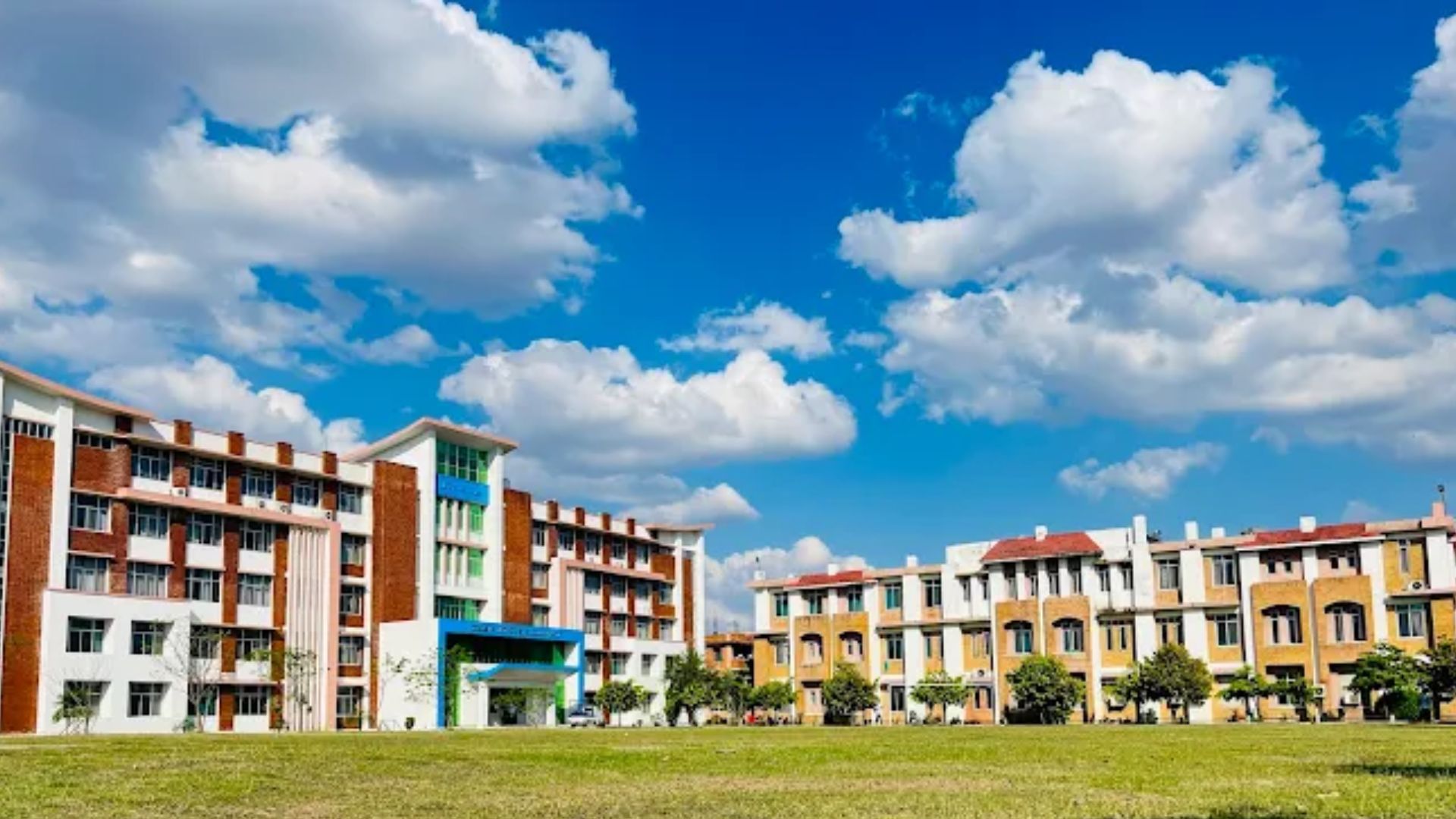
The distinction between the college and the university framework is important for students reading admission notices, examination schedules, curricula, and academic regulations. UCMS provides the institutional setting for teaching, learning, practical work, hospital exposure, and student support, while its programs function under the relevant Tribhuvan University academic structure.
The campus follows a multi-professional model of health education. Instead of concentrating on a single discipline, UCMS accommodates medicine, dentistry, nursing, pharmacy, public health, medical laboratory technology, medical imaging, and postgraduate clinical education.
Students from these fields pursue separate professional qualifications, but they study within the wider environment of medical and health-science education. Their curricula, entrance requirements, assessment systems, clinical requirements, and professional registration pathways remain specific to their individual programs.
UCMS is affiliated with Tribhuvan University. Examinations across medical, dental, nursing, pharmacy, allied-health, and postgraduate programs operate within the applicable TU framework.
UCMS provides the campus environment in which students study, receive practical or clinical training, and complete institutional academic requirements. The university relationship governs the academic structure under which the programs operate.
The Institute of Medicine forms an important part of Tribhuvan University's medical and health-science academic system. This context matters because health-professions education involves several interconnected academic and regulatory stages. Curriculum structures, examinations, internships, clinical training, and academic progression are linked with the applicable university requirements for each program.
For prospective students, the main institutional roles can be understood clearly:
These functions are related, but they are not interchangeable.
UCMS is structured around medical and health-science education. Its academic portfolio extends from undergraduate professional programs to postgraduate medical, dental, nursing, and public-health study.
A health-sciences campus differs from a general college because a substantial part of professional preparation extends beyond classroom lectures. Depending on the course, students may undertake theory classes, laboratory work, practical instruction, clinical observation, supervised clinical practice, professional assessment, research, internship, or residency training.
The associated teaching hospital is central to this structure. It provides a clinical environment alongside the academic activities of the college. Hospital services cover medical, surgical, diagnostic, dental, maternal, pediatric, and other areas that support the wider clinical setting of the institution.
The range of undergraduate and postgraduate programs also means that students enter UCMS at different stages of professional education. Some begin at bachelor level, while others enter postgraduate medical, dental, nursing, or public-health education after completing previous professional qualifications.
This creates a campus with different levels of academic responsibility operating at the same institution rather than a single-course academic environment.
The associated UCMS teaching hospital supports clinical education and training for students in health-professions programs.
Its clinical service areas include general medicine, general surgery, obstetrics and gynaecology, pediatrics with neonatology, ophthalmology, ENT surgery, orthopedics, dermatology and venereology, psychiatry, and dental surgery. Diagnostic services include radiology and imaging as well as laboratory services in areas such as biochemistry, microbiology, and pathology.
Hospital services and academic departments have related but different functions. A hospital department provides patient care and clinical exposure, while an academic department carries curriculum, faculty, teaching, and assessment responsibilities. The two can work closely together without being organizationally identical.
This relationship is especially relevant for programs that require substantial clinical learning. Students in medicine, dentistry, nursing, and other clinical health disciplines need to connect classroom knowledge with supervised professional practice.
For MBBS and BDS, the academic structure is 5.5 years, comprising two pre-clinical years, two and a half clinical years, and one year of compulsory rotating residential internship. Other undergraduate programs follow their own academic structures and professional requirements.
The teaching hospital therefore forms part of the wider educational setting through which classroom instruction, diagnostic services, and clinical exposure can operate in parallel.
The campus includes a library supporting academic study and reference work.
For students in medicine and health sciences, library access contributes to regular coursework, examination preparation, subject reference, professional reading, and research-related academic activity.
The broader hospital environment also includes diagnostic services in radiology, imaging, biochemistry, microbiology, and pathology. These clinical services form part of the health-care setting associated with the campus and are relevant to disciplines in which diagnostic practice forms part of professional education.
The stable campus picture is therefore one of classroom study supported by library resources and an associated clinical and diagnostic environment.
UCMS has an undergraduate portfolio covering eight major medical and health-science programs.
These courses prepare students for different academic and professional fields within the health sector. Their eligibility rules, entrance requirements, curricula, practical structures, and professional registration requirements should not be treated as identical simply because they are offered at the same campus.
Students exploring nursing education within the wider TU system may also read about Birgunj Nursing Campus, Parsa and Nepalgunj Nursing Campus, Banke. These are separate institutions within the broader context of nursing education.
UCMS offers undergraduate study alongside postgraduate nursing, public health, medical, surgical, and dental specialties.
The breadth of this academic portfolio makes UCMS more than an MBBS-focused medical college. Each program, however, retains its own admission requirements, curriculum, assessment pattern, practical or clinical structure, and professional pathway.
Admission to bachelor-level medical and health-science programs covered by Nepal's common medical education system follows the framework administered by the Medical Education Commission (MEC).
For applicable bachelor-level medical, nursing, and health-science programs, admission is based on the Medical Education Common Entrance Examination for Bachelor Level (MECEE-BL).
The admission framework includes applicable provisions relating to:
Seats are determined through the applicable MEC process and may vary between admission cycles. Scholarship distribution, fees, and examination or admission procedures are also governed by the prevailing MEC framework.
A college offering a program does not mean the number of seats, scholarship places, or fee arrangement remains permanently unchanged. Students should therefore understand the distinction between the existence of a program and the allocation attached to a particular admission cycle.
Postgraduate medical and health-science admission follows the corresponding national postgraduate admission framework.
For programs covered by this system, candidates enter through the Medical Education Common Entrance Examination for Postgraduate Level (MECEE-PG) and the associated MEC admission procedures.
UCMS offers postgraduate education across MD/MS, MDS, MN, and MPH program families. Individual specialty intake remains connected with the applicable seat allocation and admission process.
MD/MS programs at UCMS follow a three-year postgraduate structure. Other postgraduate programs follow their respective academic frameworks rather than one common duration across every qualification.
Postgraduate medical and dental education is closely connected with the hospital environment, while relevant programs also involve thesis, synopsis, or other research-related academic requirements.
UCMS operates under the Tribhuvan University examination framework.
Academic progression depends on the requirements of the individual program. Theory examinations, practical assessments, clinical requirements, regular examinations, supplementary examinations, final examinations, and internship or residency obligations differ according to course level and discipline.
For this reason, one examination pattern cannot accurately represent the entire campus.
MBBS, BDS, nursing, pharmacy, medical laboratory technology, medical imaging, public health, and postgraduate residency programs each follow their respective academic structures.
Admission to UCMS is therefore only the first stage of a student's academic pathway. Students must continue to meet the progression, assessment, practical, clinical, and final examination requirements attached to their individual programs.
Research forms part of the academic environment at UCMS, particularly at postgraduate level.
The Journal of Universal College of Medical Sciences provides an institutional publication platform. The journal carries ISSN 2091-2846 and eISSN 2350-8582.
Postgraduate academic activity also includes thesis and synopsis work. For students entering advanced medical, dental, nursing, or health-science education, research methodology and structured academic inquiry form part of the wider postgraduate learning environment.
An institutional journal and postgraduate research activity provide an avenue for scholarly communication alongside clinical education. They should not, however, be treated as evidence of comparative institutional ranking or research superiority.
Separate hostel accommodation is available for male and female students.
Hostel facilities are relevant within a medical campus because many programs involve demanding academic schedules, laboratory work, practical instruction, hospital-based learning, clinical rotations, or postgraduate residency responsibilities.
UCMS also has student-welfare, orientation, and anti-ragging arrangements within its campus administration.
Orientation is particularly useful in a multi-program health-sciences institution because students entering bachelor, nursing, dental, allied-health, and postgraduate programs do not all follow the same academic pattern.
Campus administration therefore extends beyond classroom scheduling and includes student conduct, orientation, accommodation, and welfare-related responsibilities.
Academic graduation and professional authorization to practise are separate stages.
Nursing graduates are subject to the professional registration and licensing system of the Nepal Nursing Council.
Pharmacy graduates proceed through the professional registration framework of the Nepal Pharmacy Council.
For allied-health professions, the Nepal Health Professional Council (NHPC) forms part of Nepal's professional regulatory structure.
Medical and dental graduates also follow the applicable professional registration and licensing requirements of their respective regulatory framework.
Students should therefore distinguish among three stages:
A university qualification provides the academic degree. Where professional licensing or registration is mandatory, the degree does not replace that requirement.
UCMS brings several health disciplines into one institutional setting.
The campus includes students preparing for careers in medicine, dentistry, nursing, pharmacy, public health, medical laboratory technology, medical imaging, and postgraduate clinical specialties.
Each group follows a separate curriculum and develops a distinct professional identity. At the same time, these disciplines form part of the same wider health-care environment.
Health services depend on interaction among different fields. Medical diagnosis and treatment, nursing care, pharmaceutical services, laboratory investigation, imaging, prevention, public health, and clinical decision-making perform different functions but operate within the same broad system of patient care.
The teaching hospital adds an important practical dimension to this structure. It connects the academic identity of UCMS with medical, surgical, diagnostic, maternal, pediatric, dental, and other health-care services.
This does not mean every course follows the same clinical pathway. The type and extent of hospital-based learning depend on the program. The institutional significance lies in the combination of multiple health programs and an associated teaching hospital within the same campus environment.
Students considering UCMS should begin by identifying the profession and academic pathway they intend to pursue.
MBBS and BDS are long professional programs with substantial clinical components and compulsory rotating residential internships.
Nursing education includes both BSc Nursing and Bachelor of Nursing Science, which follow different entry backgrounds and academic structures.
Bachelor of Pharmacy focuses on pharmaceutical education, while BSc MLT and BSc MIT relate to medical laboratory and imaging fields. Bachelor of Public Health is centered on public-health education.
Postgraduate applicants enter at a different academic stage. They apply after completing the relevant prior professional qualification and follow the applicable postgraduate entrance and matching framework for MD/MS, MDS, MN, or MPH study.
Before choosing a course, students should pay attention to:
This course-first approach provides a clearer basis for academic planning than choosing only by institution name.
UCMS is located in Bhairahawa, Rupandehi, Nepal.
College Contact:
Universal College of Medical Sciences
Bhairahawa, Rupandehi, Nepal
Phone: +977 71 506138 / 506030 / 506092 / 506121
Email: academic@ucms.edu.np
Website: https://ucms.edu.np/
Hospital Contact:
Bhairahawa, Rupandehi, Nepal
Phone: +977 71 506138 / 506030 / 506092 / 506121
Email: info@ucms.edu.np
Universal College of Medical Sciences is a Tribhuvan University-affiliated medical and health-sciences campus in Bhairahawa with undergraduate and postgraduate education across medicine, dentistry, nursing, pharmacy, public health, medical laboratory technology, medical imaging, and clinical specialties.
Its academic environment is closely connected with an associated teaching hospital, allowing university-based health-professions education to operate alongside a clinical service setting. The campus also includes library resources, separate male and female hostel accommodation, research and publication activity, postgraduate academic work, and student-support arrangements.
Admission to programs governed by Nepal's medical education system follows the Medical Education Commission framework. Bachelor and postgraduate applicants therefore need to understand the relevant common entrance route, merit and matching system, seat allocation, scholarship provisions, fee structure, and admission procedures applicable to their program.
For regulated professions, graduation is followed by the applicable professional registration or licensing process. A student's pathway therefore extends from entrance and university study through practical or clinical education and, where required, professional licensure before practice.
Yes. UCMS is affiliated with Tribhuvan University and operates within the TU medical and health-science academic framework.
UCMS is located in Bhairahawa, Rupandehi, Nepal.
UCMS was established in 1998.
Yes. UCMS has an associated teaching hospital supporting clinical education and training. Its services include medical, surgical, obstetric, pediatric, dental, diagnostic, and other clinical areas.
The undergraduate portfolio includes MBBS, BDS, BSc Nursing, Bachelor of Nursing Science, Bachelor of Pharmacy, Bachelor of Public Health, BSc in Medical Laboratory Technology, and BSc in Medical Imaging Technology.
Yes. UCMS offers postgraduate education across MD/MS, MDS, MN, and MPH program families.
Applicable bachelor-level medical and health-science admission follows MECEE-BL and the Medical Education Commission's entrance, merit, matching, and admission framework.
Applicable postgraduate programs follow MECEE-PG and the corresponding MEC admission and matching system.
No. Seats are determined under the applicable MEC allocation system and may vary between admission cycles.
No. Academic graduation and professional licensing or registration are separate. Graduates entering regulated health professions must complete the applicable professional council process required for practice.