Overview
Whitefield International College (WIC - Whitefield College) in Nayabazaar, Town Planning, Kathmandu, offers Tribhuvan University (TU)–affiliated Bachelor of Computer Applications (BCA) and Bachelor of Business Studies (BBS), along with Ten Plus Two (+2) Science, +2 Management, and +2 Humanities under the National Examination Board (NEB).
Founded in 2003 and managed by the Raktakali Education Foundation (REF), the college serves learners in Nepal and abroad who want clear academics, practical tasks, and a supportive study routine that links classroom theory with local practice.
Quick Highlights
-
Location: Nayabazaar, Town Planning, Kathmandu
-
Governance: Raktakali Education Foundation (REF)
-
Programs: TU BCA, TU BBS; +2 Science, +2 Management, +2 Humanities (NEB)
-
Establishment (College): 2003
-
Sister Institution: Whitefield Secondary School under REF (est. 2037 B.S.)
-
Learning Focus: projects, presentations, case tasks, field visits, and guest talks
-
Facilities: library and e-library, computer labs with internet, classrooms, sports spaces, cafeteria
-
Student Support: scholarships as per policy, counseling, educational tours, co-curricular activities
-
Audience: prospective students, parents, teachers, planners, NGOs/INGOs, and researchers seeking verified information

Academic Programs Offered
Bachelor’s Programs (Tribhuvan University)
Bachelor of Computer Applications (BCA)
BCA is a four-year undergraduate program that builds core computing knowledge and practical skills. You work with programming, databases, networking, web technologies, and project work that brings these areas together.
Eligibility (TU rules)
Applicants who have passed Grade 12 or equivalent with the current TU grade thresholds may apply. A TU-run BCA entrance examination is part of the selection each year, so plan for form submission, admit card timelines, and the test date announced in the official call.
Admission notes
Key dates are published annually. Keep copies of your academic records ready, follow the submission steps stated in the notice, and check for campus-level instructions after the central schedule is out.
What you can expect
Regular lab work, coding tasks, mini-projects, a major project, and presentations that strengthen problem-solving and teamwork. Faculty guide you on report writing, documentation, and version control basics used in student projects.
Bachelor of Business Studies (BBS)
BBS is a four-year management program that covers accounting, finance, marketing, human resource management, business law, and research methods. A final-year project connects classroom learning with a real or simulated business context.
Eligibility (TU rules)
Applicants who have completed 10+2 or equivalent with the current TU minimum grades may apply. CMAT is not required for BBS. Selection follows TU guidelines through the college admission process.
What you can expect
Case tasks linked to local businesses, field interactions when scheduled, and group assignments that build planning, analysis, and presentation skills. You learn to read statements, prepare brief reports, and present findings clearly.
Ten Plus Two (+2) Programs (NEB)
+2 Science
A strong foundation for STEM pathways. Typical combinations include Physics, Chemistry, Biology/Computer, and Mathematics. Lab sessions and periodic tests help you track progress for future study in engineering, health, IT, or pure sciences.
+2 Management
Business entry route for BBS, BBA-type programs, and related fields. Courses develop quantitative skills, business communication, and project tasks that mirror first-year expectations at the undergraduate level.
+2 Humanities
Flexible options in social sciences, languages, and arts. The stream supports future study in fields such as sociology, psychology, literature, development studies, and media, with room for elective choices based on interest.
Admission Process
Application Components
-
Completed application form issued by the college during the admission call
-
SEE and 10+2 (or equivalent) mark sheets and certificates
-
Character certificate(s) from previously attended institutions
-
Migration certificate from NEB or equivalent board for undergraduate entry
Prepare photocopies and originals for verification. Keep passport-size photos and a valid ID ready for form submission and entrance procedures where applicable.
Selection and Entrance Tests
BCA
TU conducts a central entrance examination for BCA. Watch the official notice for dates, application steps, and test centers. Prepare early and review the sample areas listed in recent calls.
BBS
Selection is based on eligibility and the college’s intake process in line with TU rules. No CMAT is required for BBS.
+2 (NEB)
Eligibility follows NEB standards. Placement and sectioning depend on the college’s intake plan for the session.
Teaching Faculty and Learning Methodology
You learn through a mix of lectures, interactive class discussions, case analysis, project work, and presentations. Teachers encourage you to ask questions, compare approaches, and explain your reasoning during class.
Field visits, seminars, and guest talks connect units from the syllabus with real workplaces. A Career Development Program (CDP) offers sessions on communication, teamwork, and early career planning. Report writing, data handling, and slide preparation become regular habits through ongoing assignments.
This rhythm—listen, try, present, get feedback—helps you turn course content into repeatable study routines and practical outputs.
Infrastructure and Learning Facilities
Library and E-Library
The library stocks reference books, past papers, reports, and study aids. E-library access supports assignments, research tasks, and literature reviews for projects.
Computer Labs
Networked labs with internet access support coding practice, database work, and analysis for both coursework and project phases. Lab supervisors assist during practical sessions and mini-project checkpoints.
Classrooms
Rooms are arranged for lectures and group activities. You will often shift between short explanations, hands-on tasks, and quick share-outs with peers.
Student Services and Amenities
Counseling support, a cafeteria, sports spaces, and logistic help for tours and events are available as scheduled during the academic year.
Student Life and Campus Experience
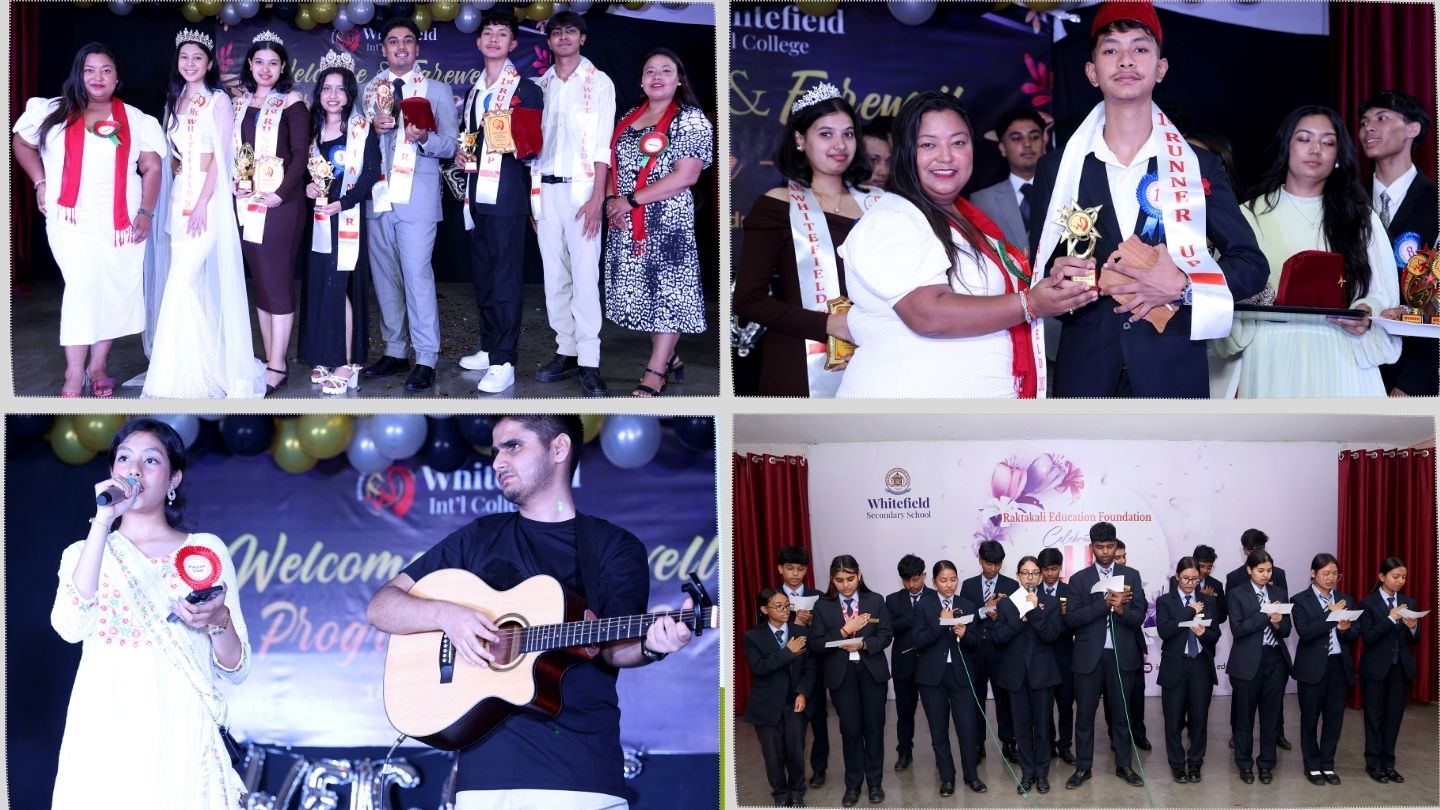
The daily routine balances academic work with skill-building activities. You will deliver short talks in class, present interim findings, and learn to work in teams with clear roles. Group tasks build confidence in planning, writing, and speaking.
Educational tours and supervised field tasks link theory with local contexts. Guest speakers share practical stories that make concepts easier to remember. Over time, you collect small wins—clearer notes, cleaner slides, and better project hand-ins—that carry into internships or entry-level roles.
Extracurricular Activities (ECA)
Academic ECAs
Debate, essay, quiz, and project showcases encourage clear writing and speaking. These events help you review course topics and learn from peers.
Sports and Clubs
Football, basketball, futsal, handball, cricket, and indoor games keep energy levels steady through the term. Art, craft, music, and dance clubs give you room to explore interests and reduce stress during peak exam periods.
Talk Programs and Seminars
Invited speakers and alumni panels bring current workplace practices into the classroom conversation and offer practical tips on interviews, portfolios, and early career steps.
Scholarships and Financial Support
The college offers scholarships as per policy. Categories and requirements may change with each session. Ask the administration about current schemes, forms, and review timelines. Keep grade sheets and recommendation letters ready if the category requires them.
Achievements and Institutional Milestones
-
2003: College establishment under the Raktakali Education Foundation
-
Sister-school legacy since 2037 B.S., giving families a familiar pathway from school to college
-
Ongoing BCA and BBS delivery with project work, presentations, and tours as part of the study routine
For audits, accreditation reviews, or data requests—such as pass rates, intake capacity, or graduate destinations—contact the college office for verified records from the relevant year.
Why Choose This Institution?
-
You can complete +2 and continue into TU bachelor programs on the same campus ecosystem, which simplifies planning for families.
-
Project work, case tasks, and presentations make you practice the skills you read about. That steady cycle helps you retain methods and apply them in new settings.
-
Library and e-library access, computer labs, and purpose-built classrooms help you prepare reports, code assignments, and group decks without friction.
-
BCA follows the TU entrance schedule. BBS runs through the college’s selection process as per TU rules. +2 admissions follow NEB standards. The admission desk provides the latest dates, forms, and checklists.
-
REF has a long presence in Kathmandu’s school and college sector. That continuity supports academic planning, scheduling, and student services through the year.
Conclusion
Whitefield International College offers TU BCA and BBS, along with +2 streams under NEB, in a setting that values steady study habits and practical tasks. Short presentations, teamwork, and field exposure help you connect theory with real work. Facilities and student services support daily routines, while admissions follow clear rules from TU and NEB.
Contact Whitefield International College's administrative office for detailed information on the course, admissions, location, fees, scholarships, facilities, counseling or eligibility.
Contact Details
Whitefield International College
Email Address: info@ref.edu.np
Phone Number: +977-1-4251733, +977-1-4976538, +977-9851194256
Website: https://ref.edu.np
Location: Nayabazaar, Town Planning, Kathmandu, Nepal