PCL Nursing at B&B Medical Institute, Gwarko, Lalitpur, follows the Council for Technical Education and Vocational Training (CTEVT) framework. Officially titled Proficiency Certificate Level in Nursing (PCL Nursing), it is a three-year program conducted through a yearly system.
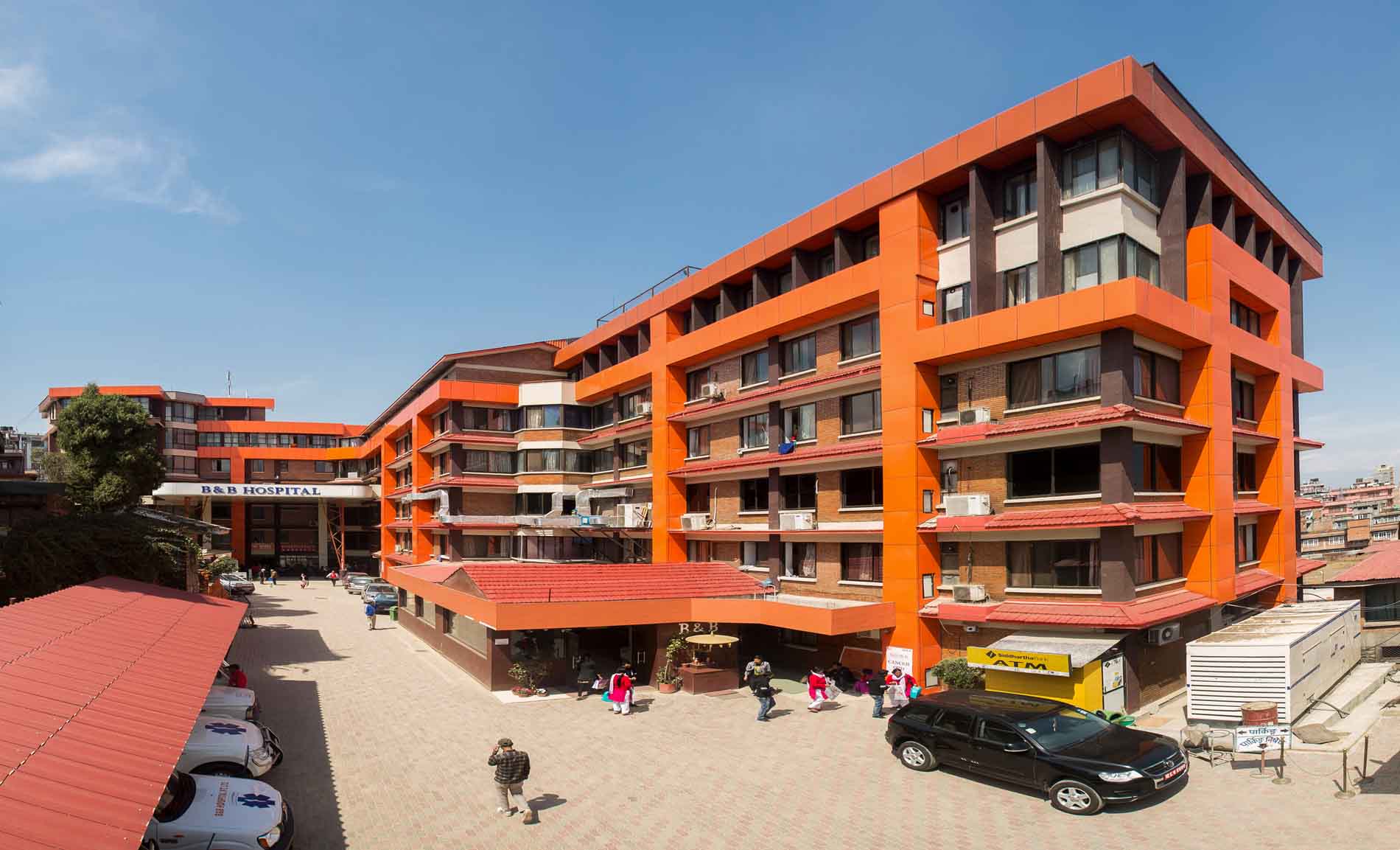
The course combines nursing theory with extensive hospital, community, maternal health, child health, and other clinical practice. At BMI, nursing students also have access to clinical exposure through B&B Hospital, located opposite the institute. The program prepares students for Staff Nurse-level nursing responsibilities and creates a route toward further nursing education after successful completion and professional registration requirements.
| Field | Details |
|---|---|
| Course: | Proficiency Certificate Level in Nursing (PCL Nursing) |
| College: | B&B Medical Institute |
| Academic Framework: | CTEVT |
| Duration: | 3 academic years |
| System: | Yearly |
| Location: | Gwarko 14, Lalitpur |
| Clinical Exposure: | B&B Hospital and curriculum-based clinical/field practice |
| Professional Path: | Staff Nurse subject to applicable licensing requirements |
The CTEVT curriculum sets the program at three academic years. Each academic year consists of up to 40 weeks, with up to 40 hours in an academic week excluding the evaluation period. A minimum of 90% attendance in each subject is required for the respective final examination.
PCL Nursing is structured as middle-level technical nursing education. It develops knowledge, practical nursing skills, communication, patient care, community health practice, leadership, and professional attitudes for work across hospital and community settings.
The three years progress from basic nursing and community care to adult and elderly nursing, mental health, maternal health, child health, gynecology, and management.
Under the 2018 CTEVT curriculum, entry routes include:
SLC in second division with 45% and English, Science, and Mathematics; or SEE with a minimum GPA of 2.0 and C grade in Compulsory Mathematics, English, and Science.
SLC plus TSLC in Auxiliary Nurse Midwife (ANM) with a minimum of 68.33%.
The curriculum also requires candidates to pass the applicable entrance examination, with admission based on merit among applicants who meet the entry criteria.
The first year establishes the foundation for nursing care and basic health sciences. Subjects include:
Fundamental of Nursing
Community Health Nursing I
Anatomy and Physiology
Basic Science Applied to Nursing
Pharmacology
Biochemistry
Microbiology
English
Nepali
Fundamental of Nursing and Community Health Nursing include substantial practical hours. The first-year structure contains 720 theory hours and 840 practical hours.
Second-year study moves into clinical care of adults, older people, mental health, and community nursing. It covers:
Medical and Surgical Nursing I
Medical and Surgical Nursing II
Geriatric Nursing
Mental Health and Behavioral Nursing
Community Health Nursing II
Social Science
The year has extensive clinical placement in medical-surgical nursing, geriatric care, mental health, and community health settings.
The final year concentrates on maternal and child nursing together with nursing leadership. Subjects are:
Midwifery Nursing I
Midwifery Nursing II
Midwifery Nursing III
Gynecology Nursing
Child Health Nursing
Leadership and Management
These areas combine classroom study with practical work. The third-year course structure contains 550 theory hours and 1,022 practical hours.
Practical nursing is a major part of the PCL curriculum. Students undertake clinical and field experience in nursing fundamentals, community health, medical-surgical care, geriatrics, mental health, midwifery, gynecology, child health, and leadership and management.
The third-year master plan, for example, includes hospital and community practice in midwifery as well as clinical periods in child health, gynecology, and nursing management.
BMI's connection with B&B Hospital gives students a hospital setting for clinical exposure alongside their studies in Gwarko.
The evaluation structure combines internal and final examinations. In many theory subjects, marks are divided between 20% internal assessment and 80% final examination. Practical nursing subjects carry separate internal and final assessments, reflecting both continuing clinical performance and practical examination requirements.
Students who pass all components of all subjects across the three years are considered to have completed the program and are awarded the Proficiency Certificate Level in Nursing qualification.
After completing nursing education, graduates must meet the applicable professional licensing requirement before entering nursing practice. The relevant professional council for nursing is the Nepal Nursing Council.
The CTEVT curriculum identifies Staff Nurse as the related professional pathway and also allows graduates to pursue Bachelor of Nursing or an equivalent course according to university rules.
Students considering bachelor-level progression at BMI can also review the Bachelor of Science in Nursing and Post-Basic Bachelor of Nursing Science programs.
Address: Gwarko 14, opposite B & B Hospital, Gwarko, Lalitpur
Phone: +977-01-5970999, 01-5544800, 01-5544941, 01-5531933
Email: bnbinstitute@gmail.com, bmicollege@bbhospital.com.np
PCL Nursing stands for Proficiency Certificate Level in Nursing.
The program lasts three academic years and follows a yearly system.
Yes. Practical and clinical components run through all three years, covering hospital nursing, community health, medical-surgical nursing, mental health, midwifery, child health, gynecology, and management.
First-year study covers Fundamental of Nursing, Community Health Nursing I, Anatomy and Physiology, Basic Science Applied to Nursing, English, and Nepali, with Pharmacology, Biochemistry, and Microbiology included in basic science.
Yes. The curriculum requires at least 90% attendance in each subject to appear in the respective final examination.
Yes. The curriculum allows graduates to pursue Bachelor of Nursing or an equivalent course according to university rules.