The Bachelor of Science in Nursing (BSN), commonly searched as BSc Nursing, at B&B Medical Institute in Gwarko, Lalitpur, is a four-year bachelor-level nursing program affiliated with Purbanchal University. BMI introduced the program in 2013 AD for students entering nursing education from a science background with Biology.
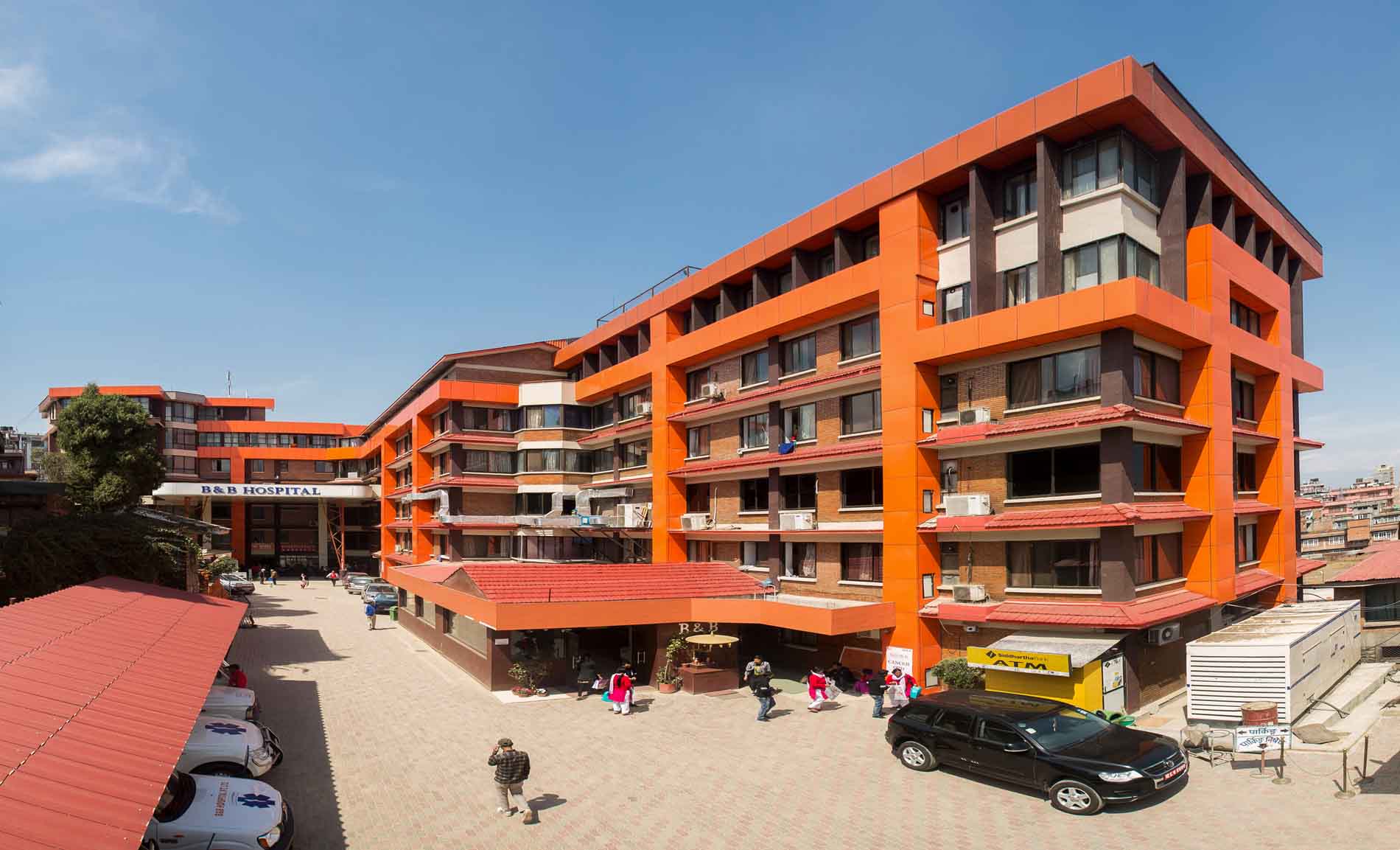
The curriculum combines basic health sciences, nursing foundations, hospital and community nursing, midwifery, research, education, and management with substantial practical study. B&B Hospital serves as an important clinical setting for students during their nursing education.
| Field | Details |
|---|---|
| Course: | Bachelor of Science in Nursing (BSN/BSc Nursing) |
| College: | B&B Medical Institute |
| Affiliation: | Purbanchal University |
| Duration: | 4 academic years |
| Location: | Gwarko 14, Lalitpur |
| Admission: | MECEE-BL under prevailing MEC rules |
| Clinical Exposure: | B&B Hospital |
| Professional Requirement: | Applicable nursing licensing examination after graduation |
The Purbanchal University BSN curriculum is structured across four academic years and includes 141 theory credit hours and 122 practical credit hours.
The Purbanchal University curriculum sets a science-based academic entry route for BSN. Candidates are required to have completed Intermediate Science, 10+2, or A Level with Biology, with an equivalent C+ or 50% aggregate. It also specifies that candidates must be physically and mentally fit and must have completed 17 years of age.
Admission to bachelor-level nursing education is based on MECEE-BL and follows the prevailing rules, procedures, scholarship provisions, seat allocation system, fee structure, and admission requirements of the Medical Education Commission (MEC), Nepal.
MEC rules applicable to the admission cycle take precedence for entrance, seat allocation, scholarships, fees, and related admission procedures.
The four-year curriculum moves from basic sciences and nursing foundations to clinical nursing, community health, midwifery, research, education, and management.
First-year study covers:
Anatomy and Physiology
Biochemistry
Microbiology/Parasitology
Pathophysiology
Pharmacology
Nutrition and Dietetics
Foundation of Nursing
Community Health Nursing-I
The year establishes the scientific and nursing foundation required for later clinical study.
The second year includes:
Nursing Concept and Theories
Medical-Surgical Nursing-I
Medical-Surgical Nursing-II
Psychiatric Nursing
Community Health Nursing-II
Medical Sociology/Anthropology
Geriatric Nursing
Clinical nursing becomes more prominent during this stage, alongside community, psychiatric, social, and geriatric perspectives.
Third-year study covers Pediatric Nursing, Midwifery-I, Midwifery-II, Midwifery-III, Community Health Nursing-III, Basic Epidemiology, and Gynaecology Nursing. Most of these nursing subjects include practical components.
The final year includes Research and Biostatistics in Nursing, Educational Science, Leadership and Management, and Medical-Surgical Nursing-III. The advanced medical-surgical component covers cardiopulmonary, oncology, nephrology, and neurology areas.
Practical education forms a substantial part of the BSN structure. Teaching and learning methods include lectures, discussions, demonstrations, problem-based learning, skill-lab simulation, observation, field practice, clinical practice, assignments, project work, and group presentations.
At BMI, students also have clinical exposure through B&B Hospital. The hospital has departments covering areas such as general medicine, surgery, orthopedics, gynaecology and obstetrics, paediatrics, neuroscience, cardiology, ENT, oncology, nephrology, psychiatry, ophthalmology, and other medical and surgical services.
This hospital connection places clinical learning close to the college's academic setting in Gwarko.
For theory subjects, the Purbanchal University curriculum divides assessment into:
Internal Assessment: 20%
Final Assessment: 80%
Practical evaluation is divided equally between internal and final evaluation. Practical assessment can involve procedure evaluation, case study or presentation, nursing care plans, project work, performance evaluation, logbooks, simulation, OSPE/OSCE, and viva components.
The BSN curriculum develops learning across hospital nursing, community health nursing, family and reproductive health, midwifery, nursing education, management, and basic research. It also integrates the nursing process throughout the program.
The curriculum prepares graduates for responsibilities such as care provider, nursing officer, faculty member, and basic-level researcher across hospitals, communities, educational settings, and health institutions. Employment depends on professional licensing, eligibility for individual positions, experience, and applicable recruitment requirements.
Completion of the academic program does not by itself complete the professional entry process. Graduates must pass the applicable professional council licensing examination before entering nursing practice.
Students completing nursing education should follow the licensing requirements of the Nepal Nursing Council applicable at the time of registration and professional entry.
BSc Nursing seats, scholarships, fee structures, and related admission provisions are governed by prevailing MEC decisions and the applicable admission cycle. These details can change under MEC rules and the official calendar.
Applicants should follow the applicable MECEE-BL admission notice and MEC provisions for the intake in which they apply.
Students looking at different nursing entry routes at BMI can also read about PCL Nursing (Staff Nurse) and the Post-Basic Bachelor in Nursing.
Address: Gwarko 14, opposite B & B Hospital, Gwarko, Lalitpur
Phone: +977-01-5970999, 01-5544800, 01-5544941, 01-5531933
Email: bnbinstitute@gmail.com, bmicollege@bbhospital.com.np
The Bachelor of Science in Nursing program is four academic years.
The program is affiliated with Purbanchal University.
Yes. The Purbanchal University curriculum specifies Intermediate Science, 10+2, or A Level with Biology, together with the stated academic requirements.
Admission is based on MECEE-BL and follows prevailing Medical Education Commission rules governing entrance, merit, seats, scholarships, fees, and admission procedures.
Yes. Practical and clinical learning are built into the four-year curriculum, and BMI uses its connection with B&B Hospital for clinical exposure.
Yes. Graduates must pass the applicable professional council licensing examination before entering professional nursing practice.