The Bachelor of Science in Nursing (BSN) at Hope International College, Lalitpur, is a four-year undergraduate nursing program affiliated with Purbanchal University. The course combines nursing science, basic medical sciences, community health, medical-surgical nursing, psychiatric nursing, pediatric nursing, midwifery, research, education, and management.
Practical education runs throughout the degree through laboratories, skill-based activities, clinical practice, community work, case-based assignments, and other nursing practicum. The academic structure carries 141 theory credits and 122 practical credits across four years.
| Field | Details |
|---|---|
| Course | Bachelor of Science in Nursing (BSN) |
| Level | Bachelor |
| Duration | 4 academic years |
| Affiliation | Purbanchal University |
| Institution | Hope International College, Lalitpur |
| Academic Area | Nursing |
| Theory Credits | 141 |
| Practical Credits | 122 |
| Admission Basis | MECEE-BL under prevailing MEC provisions |
| Professional Council | Nepal Nursing Council |
BSc Nursing is structured around the care of individuals, families, and communities across different health settings. The program brings nursing practice together with biological sciences, behavioral and social sciences, community health, midwifery, research, education, and health-service management.
The course progresses from foundations of nursing and basic sciences in the first year to medical-surgical, psychiatric, community, geriatric, pediatric, midwifery, and gynaecological nursing. The fourth year gives greater attention to research, nursing education, leadership, management, and advanced medical-surgical nursing.
The nursing process runs through the academic framework. Students study assessment, care planning, decision-making, communication, health promotion, illness prevention, care of patients, rehabilitation, community health, and nursing management. The program also covers family and reproductive health, Comprehensive Primary Health Care, epidemiology, teaching, and research.
The program is relevant to students from an eligible science and biology background who want undergraduate nursing education with a substantial clinical and practical component.
Students should be prepared for a four-year academic commitment that involves classroom study as well as laboratory sessions, skill practice, clinical duties, community work, written assignments, presentations, and research-related activities.
Academic entry requirements for the Bachelor of Science in Nursing include:
Completion of Intermediate Science, 10+2, or A Level with Biology.
An equivalent C+ grade or 50% aggregate under the applicable National Examination Board standard.
Physical and mental fitness.
Completion of 17 years of age.
Admission at Hope International College is also governed by the prevailing medical education admission framework for the relevant intake.
Admission to BSc Nursing is based on the Medical Education Common Entrance Examination for Bachelor Level (MECEE-BL) and follows the prevailing rules and procedures of the Medical Education Commission (MEC), Nepal.
The applicable MEC framework covers admission procedures together with rules, guidelines, code of conduct, scholarship provisions, seat allocation, and fee arrangements. Seats, fees, scholarship provisions, examination guidelines, and admission procedures may change through MEC decisions and the official MEC calendar.
Applicants should follow the MECEE-BL and admission instructions issued for the relevant admission cycle.
Purbanchal University's revised BSN structure runs for four academic years. Across the degree, students complete 141 theory credits and 122 practical credits. Practical work is attached to many of the nursing and health-science subjects rather than being confined to a single internship period.
The first year establishes the scientific and nursing base required for later clinical study.
Main subjects include:
Anatomy and Physiology
Biochemistry
Microbiology/Parasitology
Pathophysiology
Pharmacology
Nutrition and Dietetics
Foundation of Nursing
Community Health Nursing-I
Foundation of Nursing and Community Health Nursing-I include substantial practical components. Basic science and nutrition subjects also include practical learning.
The second year moves into clinical nursing, mental health, community care, ageing, and the social context of healthcare.
Students study:
Nursing Concept and Theories
Medical-Surgical Nursing-I
Medical-Surgical Nursing-II
Psychiatric Nursing
Community Health Nursing-II
Medical Sociology/Anthropology
Geriatric Nursing
Medical-Surgical Nursing, Psychiatric Nursing, Community Health Nursing, and Geriatric Nursing include practical components alongside theory.
Third-year study has a strong focus on children, maternity care, reproductive health, and community nursing.
Subjects include:
Pediatric Nursing
Midwifery-I
Midwifery-II
Midwifery-III
Community Health Nursing-III
Basic Epidemiology
Gynaecology Nursing
Pediatric Nursing, all three Midwifery courses, Community Health Nursing-III, and Gynaecology Nursing carry practical hours.
The fourth year brings nursing practice together with research, teaching, administration, and advanced clinical study.
Students take:
Research and Biostatistics in Nursing
Educational Science
Leadership and Management
Medical-Surgical Nursing-III (Advance)
Advanced Medical-Surgical Nursing covers cardiopulmonary, oncology, nephrology, and neurology areas. All four fourth-year subjects have practical components, with research, education, management, and advanced nursing practice forming a substantial part of the year's workload.
Clinical practice is a central part of the BSN structure. The course combines theory with patient care, community nursing, skill work, observation, case-based assignments, nursing care planning, and practical evaluation.
At Hope International College, nursing students receive clinical exposure through Nepal Police Hospital, Thapathali Maternity Hospital, Patan Hospital, and other private hospitals.
The college also maintains science and laboratory facilities for course-related practical work. Classroom study is supported by laboratory sessions, field activities, presentations, assignments, and clinical duties.
This balance matters because the program covers nursing across hospital, maternity, community, mental health, child health, elderly care, and other healthcare contexts rather than treating nursing as a classroom-only discipline.
Teaching methods include:
Lectures and classroom discussions
Group discussions
Demonstrations
Self-directed learning
Problem-based learning
Observation
Skill-lab simulation
Field practice
Clinical practice
Written assignments
Project work
Group presentations
These methods are used according to the requirements of individual subjects.
Hope International College also uses case studies, project work, presentations, and blended face-to-face and online teaching within its broader academic approach.
The BSN evaluation structure includes both internal and final assessment.
For theory subjects:
Internal assessment carries 20% of the total marks.
Final assessment carries 80%.
Written assessment may include multiple-choice questions, problem-based questions, long-answer questions, and short-answer questions.
For practical subjects:
Internal evaluation carries 50%.
Final evaluation carries 50%.
Internal practical work can include performance evaluation, case studies and presentations, client teaching, student teaching, report writing, procedure logs, procedure evaluation, drug records, nursing care plans, and other subject-specific practical work.
The final practical evaluation includes procedure or patient-care assessment, OSPE/OSCE or simulation, and viva components.
The four years cover several connected nursing areas rather than concentrating on one specialty.
Students study nursing care associated with medical and surgical conditions through Medical-Surgical Nursing-I, II, and III. Later study covers advanced cardiopulmonary, oncology, nephrology, and neurology nursing.
Community Health Nursing is studied across the first three years. It links nursing practice with family, community, prevention, health promotion, and primary healthcare.
Third-year study includes Midwifery-I, II, and III together with Gynaecology Nursing. The program also incorporates family and reproductive health concepts into nursing planning and care.
Pediatric Nursing addresses nursing care involving children, while Geriatric Nursing introduces the health and care needs associated with older people.
Psychiatric Nursing forms part of second-year study and covers nursing responsibilities connected with mental health conditions and patient care.
The fourth year includes Research and Biostatistics in Nursing, Educational Science, and Leadership and Management. These subjects introduce students to research work, teaching roles, supervision, decision-making, and nursing-service management.
The academic and practical components are designed to develop abilities connected with:
Applying the nursing process in patient and community care
Communicating with individuals, families, groups, and communities
Planning and providing nursing care
Working with family and reproductive health concepts
Applying Comprehensive Primary Health Care principles
Using epidemiological concepts in health-related problems
Conducting basic nursing research
Teaching in formal and non-formal settings
Participating in nursing leadership and management
Working across preventive, promotive, curative, and rehabilitative care
Applying nursing and midwifery knowledge in clinical practice
The program also includes decision-making, resource management, health-system understanding, and community participation as part of its academic objectives.
Research becomes a formal part of BSc Nursing in the fourth year through Research and Biostatistics in Nursing.
Hope International College has a Research and Development Unit (RDU) and an Institutional Review Board (IRB) supporting research-related academic activities. Students also have access to a library containing basic and reference books, health-related journals, periodicals, magazines, newspapers, and research materials.
Computer laboratories, science laboratories, classroom audiovisual equipment, counseling services, and transportation for clinical and field activities form part of the wider study environment.
After completing the degree and meeting the applicable professional licensing requirements, graduates may pursue nursing work in settings such as:
Hospitals
Community health services
Government health agencies
Non-government health organizations
Schools and educational settings
Campuses and nursing education settings
Health institutions
Nursing research activities
The program also prepares graduates for responsibilities associated with nursing officer, nursing faculty, basic-level research, and direct nursing care roles.
Career options depend on professional licensing, individual competence, experience, available positions, and the requirements of the employing institution.
Completion of the academic degree does not by itself complete the professional entry process. Graduates must pass the applicable licensing examination of the Nepal Nursing Council before entering the nursing profession.
Students should therefore treat academic completion and professional licensing as separate requirements.
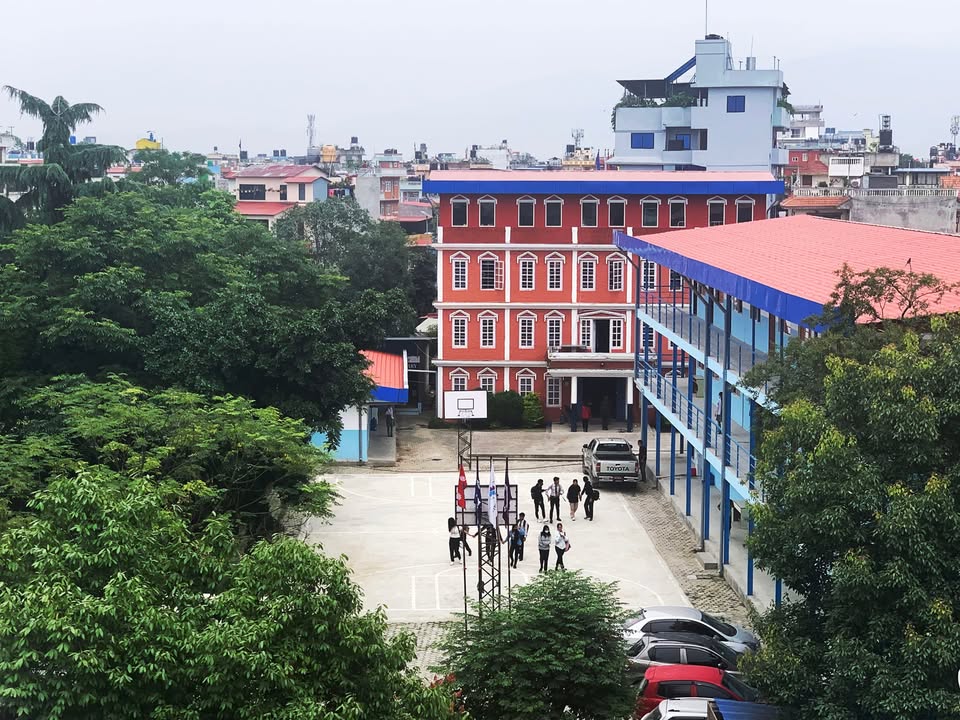
HIC provides the course within a health sciences setting in Mahalaxmisthan, Lalitpur. Nursing education at the college is supported by clinical placements, laboratories, classroom resources, library services, counseling, research structures, and transportation for field and clinical duties.
For a student considering BSc Nursing at HIC, the course requires sustained work across science subjects, nursing theory, practical procedures, community health, clinical placements, midwifery, research, and management over four academic years.
College: HOPE International College
Location: Mahalaxmisthan-14, (TikheDewol), Lalitpur, Nepal
Postal Address: P.O.Box: 8975 EPC 1365
Landmark: Old Genius School building (250 Meters from Ring Road)
Telephone: +977-1-5171268, 01-5171122, 01-5171167, 01-5171236
Fax: +977 1 5151222
Email: info@hopecollege.edu.np
Website: www.hopecollege.edu.np
The Bachelor of Science in Nursing runs for four academic years.
The program at Hope International College is affiliated with Purbanchal University.
Academic eligibility includes Intermediate Science, 10+2, or A Level with Biology, an equivalent C+ or 50% aggregate under the applicable NEB standard, physical and mental fitness, and completion of 17 years of age.
Yes. Admission is based on MECEE-BL and follows the prevailing Medical Education Commission admission framework.
Yes. Practical and clinical work runs throughout the program. Nursing subjects including Foundation of Nursing, Medical-Surgical Nursing, Community Health Nursing, Psychiatric Nursing, Pediatric Nursing, Midwifery, Gynaecology Nursing, and advanced nursing carry practical components.
Fourth-year subjects are Research and Biostatistics in Nursing, Educational Science, Leadership and Management, and Medical-Surgical Nursing-III (Advance).
Theory assessment is divided into 20% internal and 80% final assessment. Practical evaluation is divided equally between internal and final assessment.
Yes. Graduates must pass the applicable Nepal Nursing Council licensing examination before entering professional nursing practice.