The Post-Basic Bachelor of Nursing Science (PBNS) at Hope International College, Lalitpur, is a three-year bachelor-level nursing program affiliated with Purbanchal University. It is designed for nurses who have completed PCL Nursing and gained professional experience after receiving a nursing license.
The program develops further study in medical-surgical nursing, pediatric nursing, midwifery, community health nursing, psychiatric nursing, geriatric nursing, research, leadership, and nursing education. Clinical and practical work continues across all three academic years in hospitals, communities, educational institutions, and other nursing practice settings.
| Field | Details |
|---|---|
| Course | Post-Basic Bachelor of Nursing Science (PBNS) |
| Level | Bachelor |
| Duration | 3 academic years |
| Institution | Hope International College, Lalitpur |
| Affiliation | Purbanchal University |
| Entry Background | PCL Nursing |
| Work Experience | At least 1 year after NNC license |
| Admission | MECEE-BL under prevailing MEC provisions |
| Professional Council | Nepal Nursing Council |
| Major Areas | Midwifery, Community Health, Medical-Surgical and Psychiatric Nursing |
Purbanchal University previously used the title Post-Basic Bachelor of Nursing (PBBN) and changed the program name to Post-Basic Bachelor of Nursing Science (PBNS) from Academic Year 2075/76. The revised curriculum is structured over three academic years.
PBNS builds on earlier nursing education and professional experience. Its academic scope covers nursing science, hospital and community nursing, maternal care, mental health, nursing education, leadership, research, and management.
The program also includes an elective component in the third year. Students study one of four areas: Community Health Nursing-II, Midwifery-II, Medical-Surgical Nursing-II, or Psychiatric Nursing-II, together with the related practicum.
The Purbanchal University PBNS curriculum specifies the following entry requirements:
Passed PCL Nursing from a recognized institute.
At least one year of working experience in a recognized health institution after obtaining a Nepal Nursing Council license.
Applicants must also meet the admission requirements applicable to the relevant intake.
Admission to PBNS at Hope International College is based on the Medical Education Common Entrance Examination for Bachelor Level (MECEE-BL) and follows the prevailing admission framework of the Medical Education Commission (MEC), Nepal.
Applicable MEC rules may cover the entrance process, merit and matching procedures, seat allocation, scholarship provisions, fees, admission schedules, and other requirements. These provisions may change according to MEC decisions and the official admission calendar.
The first year combines basic health sciences with nursing subjects. Major areas include:
Anatomy and Physiology
Pharmacology
Pathophysiology
Microbiology/Parasitology
Biochemistry
Nutrition and Dietetics
Basic Science/Nutrition Practice
Medical-Surgical Nursing-I
Nursing Concept and Theories
Pediatric Nursing
Medical Sociology/Anthropology
Professional English
Practical work includes medical-surgical nursing, pediatric nursing, laboratory activities, and nutrition-related practice.
Second-year study focuses more closely on maternity, community, mental health, nursing education, epidemiology, and care of older people.
Subjects include Midwifery-I, Community Health Nursing-I, Psychiatric Nursing-I, Educational Science, Epidemiology, Geriatric Nursing, and Applied Computer Technology, with practical work attached to several of these subjects.
The final year covers:
Leadership and Management
Research and Biostatistics in Nursing
Oncology Nursing
Elective nursing subject
Elective subject practicum
Students select an elective from Community Health Nursing-II, Midwifery-II, Medical-Surgical Nursing-II, or Psychiatric Nursing-II.
Clinical practice runs throughout the PBNS program.
First-year practice includes general and children's hospital settings together with laboratory and basic science activities. Second-year practice includes maternity, specialty and mental health settings, senior citizen care, nursing education practice, and community health placements.
Third-year activities include management practicum, oncology practice, research work, and practicum related to the selected major subject. Research activities include proposal writing, conducting research, and report preparation.
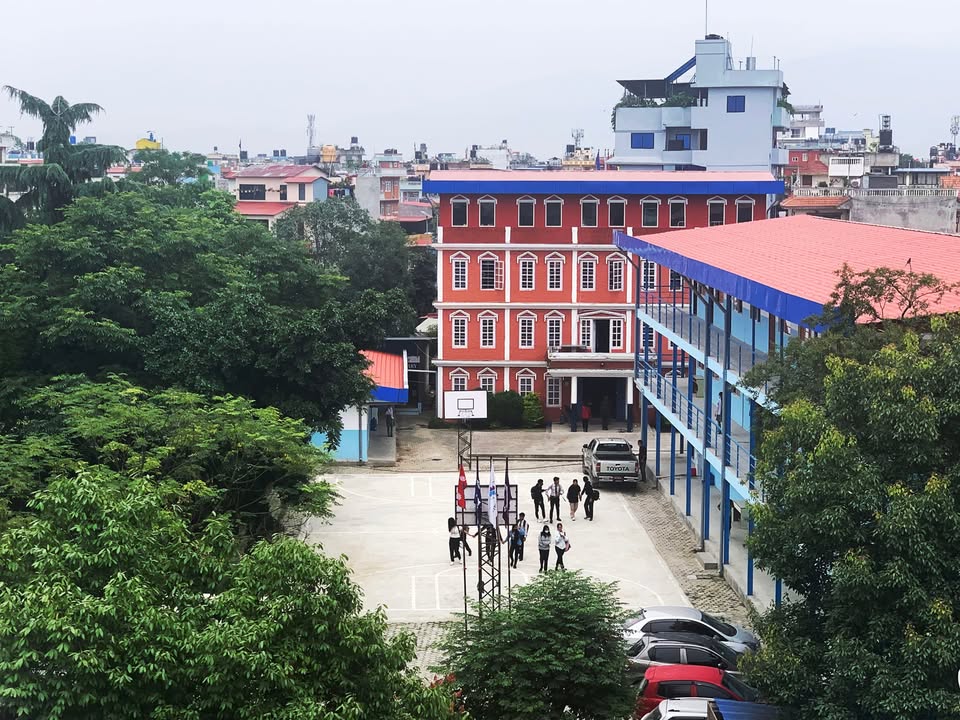
Hope International College also supports nursing education through laboratories, library resources, counseling, research structures, and transportation for clinical and field duties.
Teaching methods in the PBNS curriculum include lectures, group discussions, observation, demonstrations, assignments, presentations, practical assignments, self-directed study, problem-based learning, and term papers.
Theory assessment is divided into 20% internal assessment and 80% final examination. For practical work, internal assessment carries 80%, while the final examination in the major elective subject carries 20%.
PBNS develops further nursing competence in patient care, community health, midwifery, management, research, communication, and teaching. The curriculum also prepares students for responsibilities associated with nursing education, management, research, and different clinical or community nursing settings.
Applicants enter the program after obtaining a nursing license, and professional practice remains subject to the requirements of the Nepal Nursing Council.
The PBNS program runs for three academic years.
Applicants must have passed PCL Nursing from a recognized institute and have at least one year of work experience in a recognized health institution after obtaining an NNC license.
Yes. Admission at Hope International College follows the applicable MECEE-BL and Medical Education Commission admission framework.
The third-year elective options are Community Health Nursing-II, Midwifery-II, Medical-Surgical Nursing-II, and Psychiatric Nursing-II.
Yes. Third-year study includes Research and Biostatistics in Nursing and a research practicum covering proposal writing, research work, and report preparation.