The Bachelor of Pharmacy (B.Pharm) at Hope International College, Lalitpur, is a four-year undergraduate pharmacy program affiliated with Purbanchal University. The course is organized into eight semesters and covers basic sciences, medical sciences, pharmaceutical sciences, laboratory practice, seminars, project work, and professional internship.
Students study how medicines are developed, formulated, analyzed, supplied, and used in hospital, community, and pharmaceutical settings. The revised curriculum carries 168 credits, including 122 theory credits, 32 practical credits, 2 seminar credits, 6 project-work credits, and 6 professional-internship credits.
| Field | Details |
|---|---|
| Course | Bachelor of Pharmacy (B.Pharm) |
| Level | Bachelor |
| Duration | 4 years |
| Academic System | 8 semesters |
| Institution | Hope International College, Lalitpur |
| Affiliation | Purbanchal University |
| Total Credits | 168 |
| Admission | MECEE-BL under prevailing MEC provisions |
| Professional Council | Nepal Pharmacy Council |
| Practical Components | Laboratory work, seminars, project work, professional internship |
B.Pharm studies medicines from scientific, clinical, technical, and professional perspectives. Students begin with chemistry, mathematics, and basic medical sciences before moving into pharmaceutical analysis, pharmacognosy, pharmacology, pharmaceutics, pharmaceutical technology, medicinal chemistry, clinical pharmacy, and hospital pharmacy.
The curriculum is arranged around three broad academic areas: basic sciences, basic medical sciences, and pharmaceutical sciences. Pharmaceutical study includes the chemistry and analysis of medicines, natural drug sources, drug action and therapy, formulation and dosage-form design, hospital and clinical pharmacy, community pharmacy, and pharmaceutical production.
Academic entry routes include 10+2, I.Sc., or equivalent education with Physics and Chemistry together with Mathematics or Biology and an average score of at least 50%. The curriculum also includes specified entry routes for Diploma or Certificate in Pharmacy and certain health diploma backgrounds, subject to the stated academic and professional registration requirements.
Admission at Hope International College is based on the Medical Education Common Entrance Examination for Bachelor Level (MECEE-BL) and follows the prevailing admission rules of the Medical Education Commission (MEC), Nepal.
The applicable MEC framework governs entrance and admission procedures, scholarship provisions, seat allocation, fees, and related requirements for each admission cycle.
B.Pharm runs for four years across eight semesters. The revised structure contains 168 credits distributed as:
122 theory credits
32 practical credits
2 seminar credits
6 project-work credits
6 professional-internship credits
Semester-wise credit loads are 20, 20, 20, 20, 22, 20, 21, and 25 credits respectively.
The early part of the program establishes the scientific base needed for pharmaceutical study. Topics include inorganic pharmaceutical chemistry, organic chemistry, physical chemistry, and mathematics.
Students also study subjects that explain the human body, disease processes, and biological systems, including:
Anatomy and Physiology
Biochemistry
Microbiology
Pathophysiology
The main professional area covers subjects such as:
Pharmaceutical Chemistry
Pharmaceutical Analysis
Pharmacognosy
Chemistry of Natural Products
Pharmaceutics
Medicinal Chemistry
Pharmaceutical Technology
Pharmaceutical Biotechnology
Pharmacology
Pharmacotherapeutics
Public Health Pharmacy
Hospital Pharmacy
Clinical Pharmacy
Community Pharmacy
Drug Delivery System
Instrumental Analysis
These subjects connect drug chemistry and formulation with medicine use, quality testing, therapeutic applications, dispensing, and pharmacy practice.
The eighth semester includes Hospital Pharmacy, Drug Delivery System, Instrumental Analysis, and Clinical Pharmacy together with practical components.
Students also complete a six-credit project and a six-credit professional internship. Project work includes literature review, research activity, report preparation, presentation, and defence. Professional internship is assessed through a report and presentation or viva.
Laboratory work runs alongside theory across the program. Students carry out practical exercises under supervision and may also learn through demonstrations, problem-oriented activities, and self-directed study.
The curriculum includes visits and observations in settings such as hospitals, pharmaceutical industries, research and quality-control laboratories, community pharmacies, drug-distribution settings, and regulatory environments. Professional internship may involve hospital and community pharmacy, pharmaceutical industry, and quality-control laboratory work.
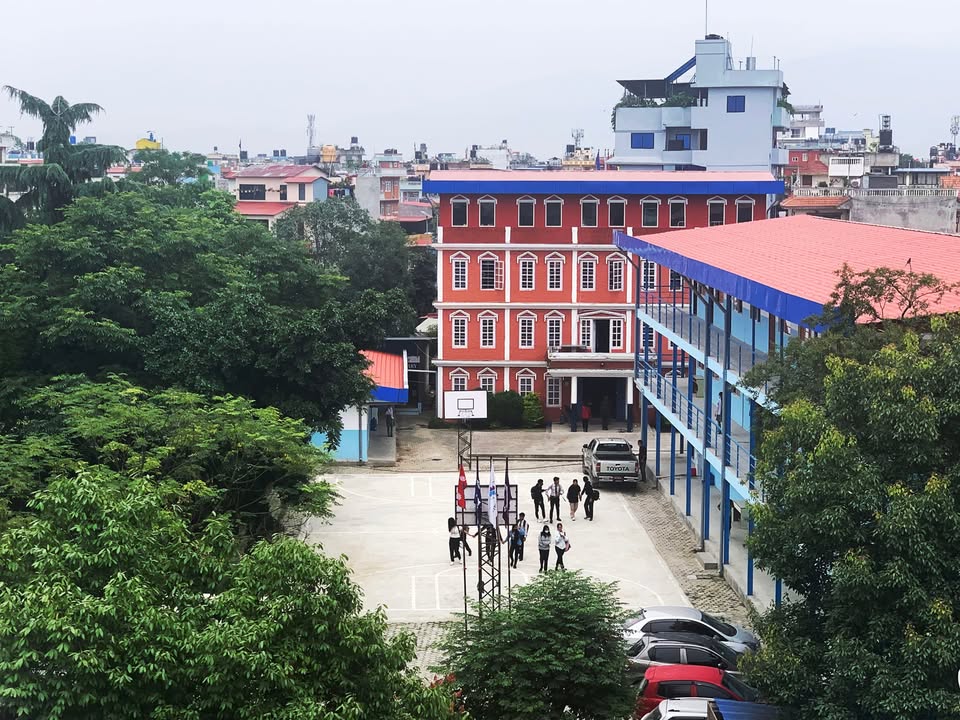
At HIC, pharmacy students also receive exposure to hospital pharmacy and pharmaceutical industry settings. The college maintains science laboratories, a library, computer facilities, transportation arrangements, and research support through its Research and Development Unit and Institutional Review Board.
Teaching combines lectures with laboratory work, demonstrations, problem-oriented learning, self-directed study, seminars, project activities, field observations, and professional internship.
Evaluation includes internal assessment and end-semester examinations. Practical subjects, seminars, project work, and professional internship also carry their own assessment components. The curriculum requires a minimum of 80% attendance in theory and practical classes.
Through its theory and practical components, the program develops knowledge and skills related to:
Pharmaceutical care
Medication distribution and control
Hospital and community pharmacy
Drug information and education
Pharmaceutical manufacturing
Medicine formulation and dosage-form design
Pharmaceutical analysis
Drug action and therapeutic use
Research and project work
Working with other health professionals in clinical settings
The curriculum connects these areas with laboratory practice, pharmaceutical production, medicine use, public health, and professional pharmacy services.
Graduates may pursue roles in areas connected with:
Hospital pharmacy
Community pharmacy
Pharmaceutical industries
Pharmaceutical manufacturing
Quality control and analysis
Drug information
Pharmaceutical research
Regulatory and medicine-related services
Career entry depends on professional licensing, individual qualifications, experience, employer requirements, and available positions.
After completing B.Pharm, graduates must pass the applicable licensing examination before entering professional pharmacy practice.
The relevant professional body is the Nepal Pharmacy Council.
B.Pharm students at HIC study within a health sciences environment that supports laboratory, research, and practical learning.
The college uses problem-based learning, group discussions, case studies, project work, presentations, and blended learning. Pharmacy students also have access to library resources, science laboratories, computer facilities, research support, counseling, and transport arrangements for field and practical activities.
For students considering the program, B.Pharm requires sustained study in chemistry, biological sciences, pharmaceutical subjects, laboratory work, research, and professional practice across four academic years.
College: HOPE International College
Location: Mahalaxmisthan-14, (TikheDewol), Lalitpur, Nepal
Postal Address: P.O.Box: 8975 EPC 1365
Landmark: Old Genius School building (250 Meters from Ring Road)
Telephone: +977-1-5171268, 01-5171122, 01-5171167, 01-5171236
Fax: +977 1 5151222
Email: info@hopecollege.edu.np
Website: www.hopecollege.edu.np
The program runs for four years across eight semesters and carries 168 credits.
The Bachelor of Pharmacy at Hope International College is affiliated with Purbanchal University.
Yes. Admission at HIC is based on MECEE-BL and follows the prevailing Medical Education Commission admission framework.
Yes. The curriculum contains 32 practical credits in addition to laboratory-based work attached to pharmaceutical subjects.
Yes. The eighth semester contains a six-credit professional internship as well as six credits of project work.
The course covers basic sciences, basic medical sciences, pharmaceutical chemistry, pharmacognosy, pharmacology, pharmaceutics, pharmaceutical technology, clinical and hospital pharmacy, drug delivery, analysis, research, and professional practice.
Yes. Graduates must pass the applicable Nepal Pharmacy Council licensing examination before entering professional pharmacy practice.