Overview
Bachelor of Information Technology (BIT) at Southwestern School of Management and Technology
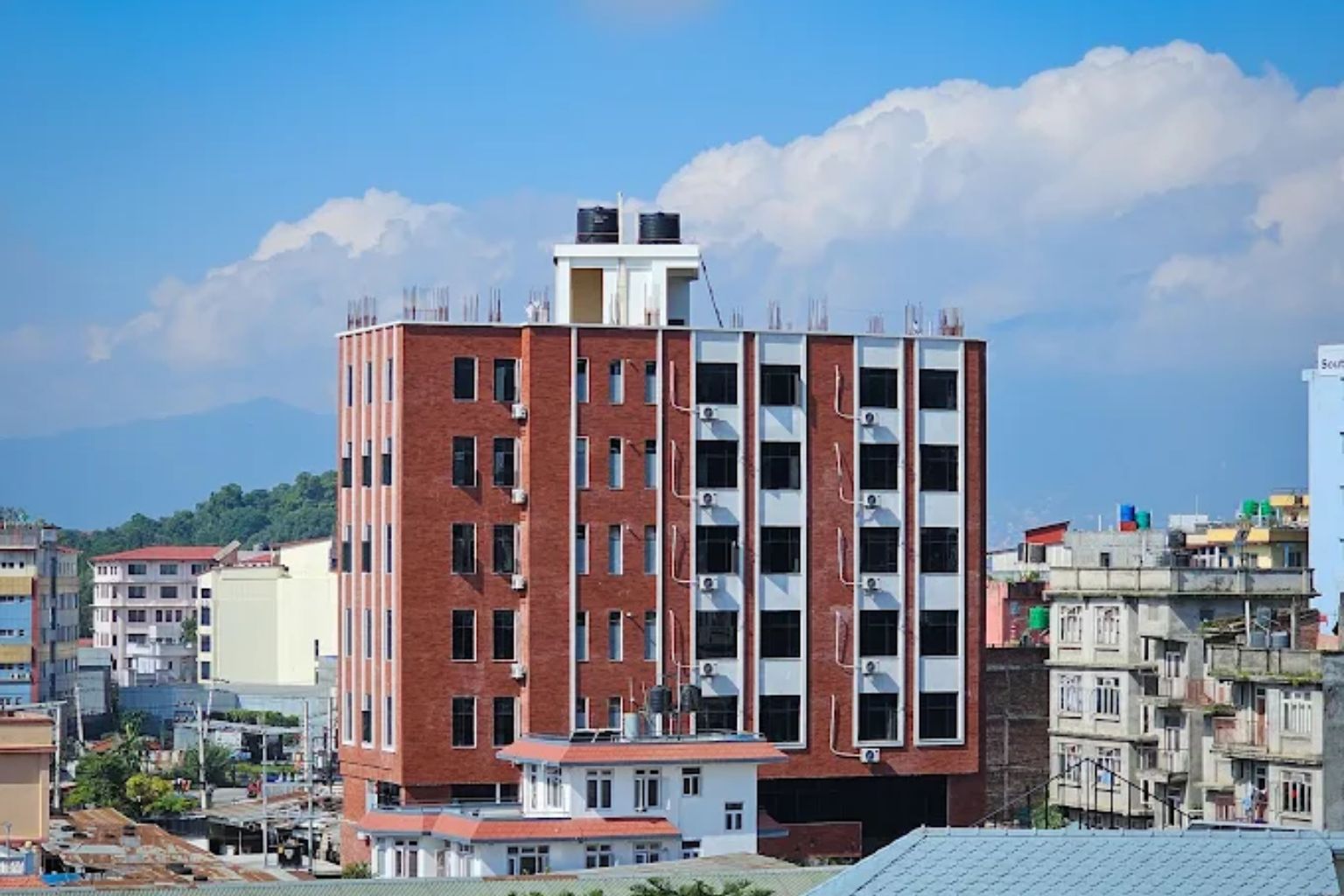
The Bachelor of Information Technology (BIT) at Southwestern School of Management and Technology is a four-year undergraduate program offered in Basundhara, Kathmandu. The program is affiliated with Purbanchal University and covers programming, computer systems, databases, networking, web technology, software engineering, information security, data-related subjects, cloud computing, project work, internship, and specialization courses.
A notable part of the curriculum is its continuous project sequence. Students complete Project I through Project VI during the first three academic years before moving to an internship and specialization courses in the fourth year. The program concludes with further specialization study and an Apprentice Project.
Quick Highlights
| Detail | Information |
|---|---|
| Course | Bachelor of Information Technology (BIT) |
| Level | Undergraduate |
| College | Southwestern School of Management and Technology |
| Location | Basundhara, Kathmandu |
| Affiliation | Purbanchal University |
| Duration | 4 years |
| Academic Structure | Year I to Year IV, two semesters each year |
| Seats | 48 |
| Project Work | Project I to Project VI and Apprentice Project |
| Internship | Included in Year IV |
| Specialization | Four specialization courses in Year IV |
BIT Course Overview
The BIT program at Southwestern School of Management and Technology (SWSMT) combines computing subjects with mathematics, communication, research, management, entrepreneurship, and project-based study.
Students begin with the fundamentals of information technology, mathematics, technical communication, programming, digital logic, and discrete structures. The second year moves into data structures, networks, system analysis, operating systems, databases, Java programming, computer architecture, numerical methods, and microcontrollers.
The third year introduces research methodology, computer graphics, cryptography and network security, web technology, Internet of Things, artificial intelligence, management information systems, data warehousing and data mining, simulation and modeling, and software engineering. The final year adds network programming, digital governance, specialization subjects, internship, management and entrepreneurship, distributed and cloud computing, and the Apprentice Project.
This sequence gives students repeated contact with programming, systems, networks, databases, software development, security, web technologies, data-related study, research, and project work rather than concentrating practical activity in a single semester.
Duration and Academic Structure
Duration: 4 years
The curriculum is arranged from Year I Semester I through Year IV Semester II. Each academic year contains two semesters.
The first three years follow a consistent pattern in which technical and supporting courses are accompanied by a project each semester. Year IV changes the pattern by introducing specialization courses, internship, and an Apprentice Project.
This structure places practical academic work throughout the degree:
-
Year I: Project I and Project II
-
Year II: Project III and Project IV
-
Year III: Project V and Project VI
-
Year IV: Internship and Apprentice Project
The fourth year also contains four specialization subjects, giving students space for more focused study alongside the common BIT courses.
BIT Curriculum
Year I, Semester I
The first semester establishes a base in computing, mathematics, communication, ethics, programming, and project work.
-
Fundamentals of Information Technology — 3 credit hours
-
Mathematics-I — 3 credit hours
-
Technical Communication — 3 credit hours
-
Society and Ethics in IT — 3 credit hours
-
Computer Programming in C — 3 credit hours
-
Project-I — 2 credit hours
Computer Programming in C introduces programming within the first semester, while Fundamentals of Information Technology provides the broader computing foundation. Technical Communication and Society and Ethics in IT add communication and social dimensions to the technical coursework.
Project-I begins the program’s continuous project sequence from the first semester.
Year I, Semester II
The second semester builds further mathematical and programming foundations.
-
Mathematics-II — 3 credit hours
-
Digital Logic — 3 credit hours
-
Discrete Structure — 3 credit hours
-
Object-Oriented Programming in C++ — 3 credit hours
-
Financial Management & Accounting — 3 credit hours
-
Project-II — 2 credit hours
Object-Oriented Programming in C++ follows the first-semester C programming course. Digital Logic and Discrete Structure provide further grounding for later computing subjects, while Financial Management & Accounting introduces a management-related component.
The second project continues the practical sequence before students enter the second academic year.
Second-Year BIT Study
Year II, Semester I
The third semester moves from foundation courses into computing structures, networking, systems, and hardware-related study.
-
Numerical Methods — 3 credit hours
-
Microcontroller — 3 credit hours
-
Data Structure and Algorithm — 3 credit hours
-
Computer Network & Data Communication — 3 credit hours
-
System Analysis and Design — 3 credit hours
-
Project-III — 2 credit hours
Data Structure and Algorithm introduces methods for organizing and processing data computationally. Computer Network & Data Communication moves into communication between computer systems, while System Analysis and Design examines the planning and development of information systems.
Microcontroller adds a hardware-oriented dimension to a curriculum that otherwise contains substantial software and systems study.
Year II, Semester II
The fourth semester brings together computer systems, databases, probability, operating systems, and Java programming.
-
Probability and Statistics — 3 credit hours
-
Computer Organization & Architecture — 3 credit hours
-
Operating System — 3 credit hours
-
Database Management System — 3 credit hours
-
Programming in JAVA — 3 credit hours
-
Project-IV — 2 credit hours
By this point, students have encountered C, C++, and Java programming alongside data structures, computer networks, system analysis, computer architecture, operating systems, and database management.
Project-IV gives students another semester-based project component linked to the broader technical progression of the program.
Third-Year BIT Study
Year III, Semester I
The fifth semester introduces research and several more specialized computing areas.
-
Research Methodology — 3 credit hours
-
Computer Graphics — 3 credit hours
-
Cryptography & Network Security — 3 credit hours
-
Web Technology — 3 credit hours
-
Internet of Things — 3 credit hours
-
Project-V — 2 credit hours
Research Methodology becomes relevant as project work becomes more advanced. Cryptography & Network Security introduces security-related study, while Web Technology covers another major area of software and application development.
Computer Graphics and Internet of Things broaden the technical range before students move into the final semester of Year III.
Year III, Semester II
The sixth semester includes subjects connected with intelligent systems, information management, data, modeling, and software development.
-
Artificial Intelligence — 3 credit hours
-
Management Information System — 3 credit hours
-
Data Warehousing & Data Mining — 3 credit hours
-
Simulation and Modeling — 3 credit hours
-
Software Engineering — 3 credit hours
-
Project-VI — 2 credit hours
Software Engineering places software development within a structured engineering and project context. Data Warehousing & Data Mining adds a data-focused component, while Management Information System connects computing with organizational information needs.
Project-VI completes the six-project sequence that runs through the first three years.
Fourth-Year BIT Study
Year IV, Semester I
The seventh semester shifts toward advanced study, specialization, and workplace exposure.
-
Network Programming — 3 credit hours
-
Digital Governance — 3 credit hours
-
Specialization 1 — 3 credit hours
-
Specialization 2 — 3 credit hours
-
Internship — 3 credit hours
The internship is introduced after students have completed six semester projects and a broad range of computing subjects. It gives the curriculum a separate workplace-oriented component in addition to project-based academic work.
Two specialization courses also begin during this semester.
Year IV, Semester II
The final semester combines management, distributed computing, further specialization, and the concluding project.
-
Principles of Management & Entrepreneurship — 3 credit hours
-
Distributed and Cloud Computing — 3 credit hours
-
Specialization 3 — 3 credit hours
-
Specialization 4 — 3 credit hours
-
Apprentice Project — 3 credit hours
Principles of Management & Entrepreneurship introduces organizational and entrepreneurial study toward the end of the degree. Distributed and Cloud Computing provides another advanced computing subject.
The Apprentice Project completes a curriculum in which project work has appeared from the first year onward.
Programming and Software Development
Programming begins in Year I with Computer Programming in C and continues with Object-Oriented Programming in C++ in the second semester. Programming in JAVA follows during Year II.
Later subjects extend this foundation through Data Structure and Algorithm, Web Technology, Software Engineering, Network Programming, and the sequence of semester projects.
Students interested in software-related work therefore encounter programming in different parts of the curriculum rather than through one isolated course.
The project sequence also gives them repeated academic tasks in which technical concepts can be applied, developed, documented, and presented.
Networking, Systems, and Security
Networking appears from the second year through Computer Network & Data Communication. Related study later includes Cryptography & Network Security, Network Programming, and Distributed and Cloud Computing.
The curriculum also contains Computer Organization & Architecture and Operating System, providing study of computer systems alongside networking topics.
This combination connects several layers of information technology: how computers are organized, how operating systems manage computing resources, how networks exchange data, and how security principles apply to networked environments.
Database and Data-Related Study
Database Management System appears in Year II Semester II. In the third year, students study Data Warehousing & Data Mining, along with Probability and Statistics from the preceding semester and Management Information System.
These subjects introduce different aspects of storing, organizing, managing, interpreting, and working with information within computing and organizational settings.
The curriculum also contains Research Methodology and Simulation and Modeling, extending the analytical side of the BIT program beyond programming alone.
Artificial Intelligence and Emerging Technology Subjects
Artificial Intelligence is taught in Year III Semester II. The curriculum also contains Internet of Things in the preceding semester and Distributed and Cloud Computing in the final semester.
These subjects appear after students have already completed programming, data structures, computer networks, operating systems, databases, computer architecture, and several projects.
Their position later in the program gives students the prerequisite academic context needed to approach more specialized computing areas.
Continuous Project Work
Project work is one of the clearest structural features of this BIT curriculum.
Students complete Project-I in the first semester and continue with a numbered project every semester through Project-VI at the end of Year III. The final semester contains a separate Apprentice Project.
The curriculum therefore includes:
-
Project-I
-
Project-II
-
Project-III
-
Project-IV
-
Project-V
-
Project-VI
-
Apprentice Project
This progression places project activity beside the subjects being studied at each stage rather than postponing project work until the final year.
Internship
An Internship worth three credit hours is included in Year IV Semester I.
It follows six completed semester projects and comes at a stage when students have already studied programming, networks, databases, operating systems, system analysis, web technology, software engineering, security, artificial intelligence, and other core areas.
SWSMT also includes coding projects, IT workshops, software laboratory work, seminars, internships, and technology-focused practical activities within its BIT learning environment.
Computer Lab and Learning Environment
SWSMT has a computer lab used for software applications, programming, data analysis, internet-based academic research, and other digital learning activities. The lab supports practical work connected with computing subjects and allows students to work with digital tools alongside classroom study.
This is particularly relevant to a curriculum containing programming, database management, web technology, networking, computer graphics, software engineering, data mining, and multiple semester projects.
The wider college environment also includes classrooms, collaborative learning spaces, digital platforms, research activities, internships, and industry-linked academic activities.
BIT Program Coordination
Er. Nabin Acharya serves as the BIT Coordinator at SWSMT.
Program-level coordination gives BIT a defined academic responsibility within the management structure of the college.
Seats for BIT at SWSMT
Seats: 48
The stated intake capacity for the Bachelor of Information Technology program at SWSMT is 48 seats.
Areas Students May Develop Through the BIT Curriculum
The subjects and practical components give students opportunities to develop abilities across several areas of computing. These include:
-
Programming through C, C++, and Java
-
Algorithmic and structural problem solving through Data Structure and Algorithm
-
Database work through Database Management System
-
Web-related study through Web Technology
-
Networking through Computer Network & Data Communication and Network Programming
-
Security concepts through Cryptography & Network Security
-
Software development processes through Software Engineering
-
Information management through Management Information System
-
Data-related study through Data Warehousing & Data Mining
-
Research through Research Methodology and project work
-
Systems understanding through Operating System and Computer Organization & Architecture
-
Advanced computing exposure through Artificial Intelligence and Distributed and Cloud Computing
-
Project planning and implementation through Project I–VI and the Apprentice Project
-
Workplace exposure through the internship
-
Management awareness through Financial Management & Accounting and Principles of Management & Entrepreneurship
The extent to which these abilities develop depends on students’ coursework, practice, projects, internship participation, and individual academic performance.
Career Relevance of BIT
The course content is connected with several areas of information technology. Graduates may explore pathways related to software development, web development, data analysis, computer networking, cybersecurity, systems administration, artificial intelligence-related work, and technology-based entrepreneurship.
The curriculum itself provides a broad technical base rather than training students for only one job title. A graduate’s eventual direction may depend on specialization choices, project experience, internship exposure, technical practice, additional learning, and available employment opportunities.
The degree should therefore be considered an undergraduate foundation in information technology rather than a guarantee of a particular position or employment outcome.
FAQ
What is the duration of BIT at SWSMT?
The Bachelor of Information Technology at SWSMT is a four-year undergraduate program.
Which university is the BIT program affiliated with?
The BIT program at Southwestern School of Management and Technology is affiliated with Purbanchal University.
How many seats are available for BIT at SWSMT?
The stated BIT intake is 48 seats.
Does BIT at SWSMT include project work?
Yes. Students complete Project-I through Project-VI during the first three academic years. The final semester also includes an Apprentice Project.
Does the BIT program include an internship?
Yes. A three-credit Internship is included in Year IV Semester I.
What programming languages appear in the BIT curriculum?
The curriculum includes Computer Programming in C, Object-Oriented Programming in C++, and Programming in JAVA.
Does the BIT curriculum include cybersecurity?
Yes. Cryptography & Network Security is included in Year III Semester I.
Does BIT include artificial intelligence?
Yes. Artificial Intelligence is included in Year III Semester II.
Does the course cover cloud computing?
Yes. Distributed and Cloud Computing is included in Year IV Semester II.
Are specialization subjects included in the BIT program?
Yes. Four specialization courses are included across the two semesters of Year IV.
Who is the BIT Coordinator at SWSMT?
Er. Nabin Acharya serves as the BIT Coordinator.
Where is SWSMT located?
Southwestern School of Management and Technology is located in Basundhara, Kathmandu.




-9075.jpg)