



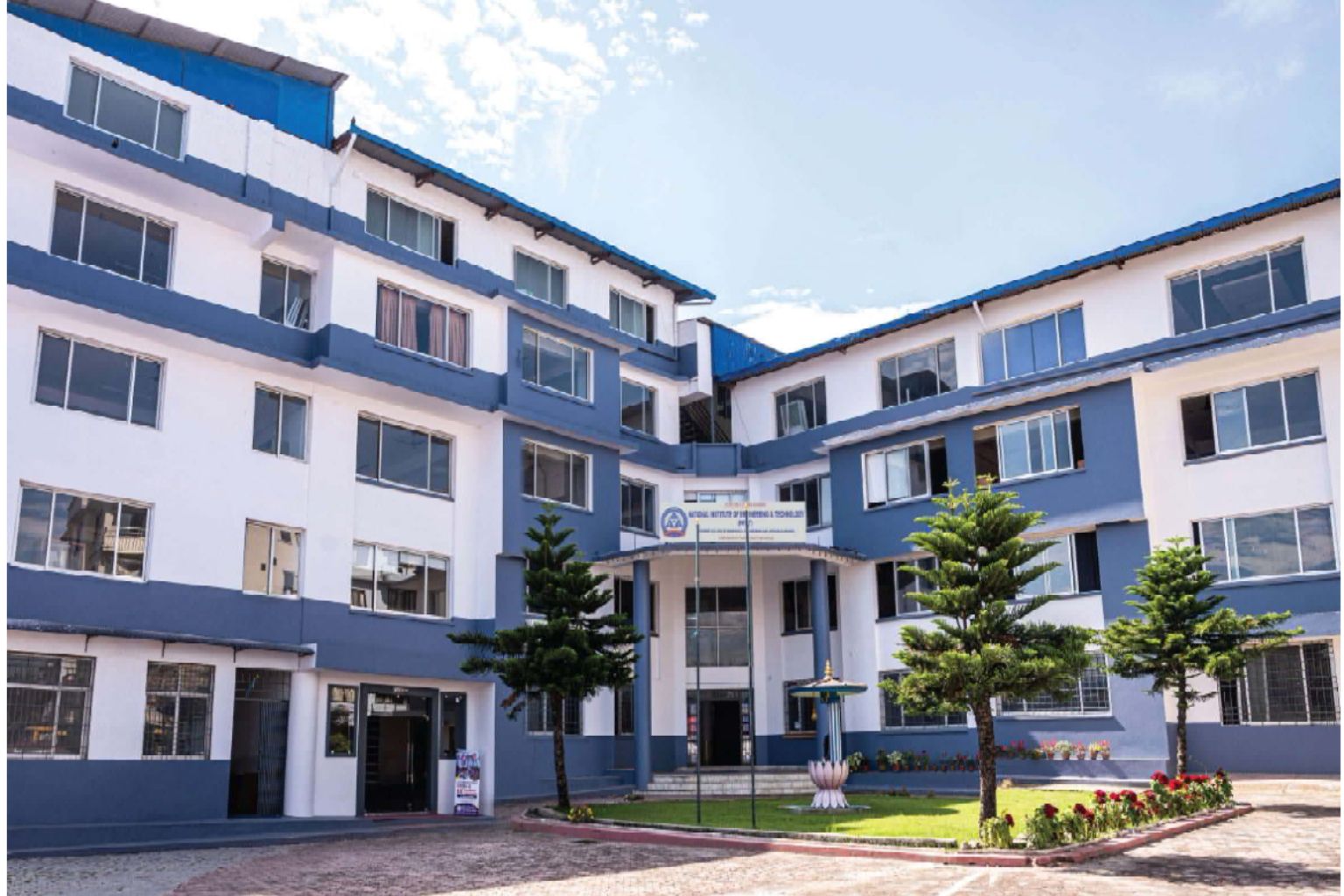
The BE in Biomedical Engineering at National Institute of Engineering and Technology (NIET), Kupondole, Lalitpur, follows the curriculum of Purbanchal University under the Faculty of Engineering. The curriculum uses the official title Bachelor in Bio-Medical Engineering and is arranged across eight semesters.
The course brings engineering, biological science, electronics, computing and medical technology into one academic structure. Students begin with mathematics, science and engineering fundamentals before moving into anatomy, biomechanics, medical imaging, biomedical instrumentation, implantable devices and digital signal processing.
NIET offers 144 seats in the program. The institute was established in 2005 as the College of Biomedical Engineering and Applied Sciences and now operates as the National Institute of Engineering and Technology.
| Field | Details |
|---|---|
| Course | BE in Biomedical Engineering |
| Curriculum title | Bachelor in Bio-Medical Engineering |
| Institution | National Institute of Engineering and Technology |
| Location | Kupondole, Lalitpur |
| Affiliation | Purbanchal University |
| Faculty | Faculty of Engineering |
| Academic structure | Eight semesters |
| Seats | 144 |
| Curriculum version | Effective from the 2021 batch |
| Electives | Three |
| Internship | Eighth semester |
| Project work | Seventh and eighth semesters |
Biomedical Engineering deals with the point where engineering systems meet biological and medical applications. The NIET curriculum reflects this combination through subjects drawn from electrical engineering, electronics, mechanical engineering, computing, mathematics, human biology and medical technology.
The opening semesters establish the technical base through Physics, Chemistry, Mathematics, Computer Programming, Basic Electrical Engineering, Basic Electronics Engineering and Engineering Drawing. Students also study mechanical engineering, engineering materials, computational systems and digital electronics.
Biomedical subjects become more prominent from the third semester. Human Anatomy and Physiology, Cell Biology and Immunology, Biomechanics, Implantable Devices, Tissue Device Interactions, Medical Imaging, Biomedical Instrumentation and Medical Electronics form the central medical-technology component of the degree.
The final stages include advanced instrumentation, imaging, elective study, project work, professional practice and an internship.
The course involves sustained study across both engineering and biological subjects. Students encounter mathematical analysis, electronics, programming and control systems alongside anatomy, physiology, biomaterials and medical devices.
The academic workload includes:
Mathematics and numerical methods
Physics and chemistry
Electrical and electronic engineering
Computer programming and computational systems
Human anatomy and physiology
Cell biology and immunology
Medical imaging and instrumentation
Laboratory and practical assessment
Project work and technical reporting
Internship and professional practice
Students need to work across disciplines rather than concentrating only on biology or electronics. The curriculum gradually connects foundational engineering subjects with medical-device and healthcare-technology applications.
Applicants must have completed 10+2 or an equivalent qualification with Physics, Chemistry and Mathematics. A minimum aggregate of 50% is required.
The program has an approved intake of 144 students at NIET.
The curriculum is organised into eight semesters. Each semester assigns credit hours and separate lecture, tutorial and practical loads according to the nature of the subject.
| Semester | Subjects | Credits |
|---|---|---|
| First | Mathematics I; Physics; Computer Programming; Basic Electrical Engineering; Basic Electronics Engineering; Engineering Drawing | 17 |
| Second | Mathematics II; Chemistry; Basic Mechanical Engineering; Electro Engineering Materials; Introduction to Computational System; Digital Electronics | 18 |
| Third | Mathematics III; Bio-Engineering Materials and Components; Human Anatomy and Physiology I; Fluid Mechanics and Thermodynamics; Cell Biology and Immunology; Microprocessor | 20 |
| Fourth | Applied Mathematics; Applied Sociology; Electronic Devices and Circuits; Biomechanics; Biomedical Embedded System Design; Human Anatomy and Physiology II | 20 |
| Fifth | Probability and Statistics; Numerical Methods; Implantable Devices; Control Systems; Tissue Device Interactions; Communication Systems | 18 |
| Sixth | Engineering Economics; Medical Industry Management; Medical Imaging I; Biomedical Instrumentation I; Medical Electronics; Biomedical Digital Signal Processing | 19 |
| Seventh | Organization and Project Management; Biomedical Instrumentation II; Medical Imaging II; Elective I; Elective II; Project | 22 |
| Eighth | Engineering Professional Practice; Elective III; Internship; Project | 14 |
The structure effective from the 2021 batch includes internal, final, theory and practical assessment columns for individual subjects. The allocation varies according to the course and its practical requirements.
The first semester introduces the scientific and engineering fundamentals required for the later biomedical courses.
Students take:
Mathematics I
Physics
Computer Programming
Basic Electrical Engineering
Basic Electronics Engineering
Engineering Drawing
Computer Programming introduces computational work, while the electrical and electronics subjects establish concepts used later in medical electronics, instrumentation and embedded-system design.
Engineering Drawing carries a substantial practical component. Physics, programming and the engineering subjects also include practical assessment where specified in the curriculum.
The second semester continues the technical foundation through:
Mathematics II
Chemistry
Basic Mechanical Engineering
Electro Engineering Materials
Introduction to Computational System
Digital Electronics
The semester broadens the engineering base before students begin specialised biomedical subjects. Mechanical engineering, engineering materials and digital electronics later connect with biomechanics, medical devices, instrumentation and embedded systems.
The third semester marks the course’s shift toward biological systems and biomedical applications.
Subjects include:
Mathematics III
Bio-Engineering Materials and Components
Human Anatomy and Physiology I
Fluid Mechanics and Thermodynamics
Cell Biology and Immunology
Microprocessor
Human Anatomy and Physiology I and Cell Biology and Immunology introduce biological systems within the engineering curriculum. Bio-Engineering Materials and Components addresses materials used in biomedical contexts, while Microprocessor adds a computing and electronics component.
Fluid Mechanics and Thermodynamics provides an engineering basis for studying flow, energy and mechanical behaviour within technical systems.
The fourth semester includes:
Applied Mathematics
Applied Sociology
Electronic Devices and Circuits
Biomechanics
Biomedical Embedded System Design
Human Anatomy and Physiology II
Biomechanics applies mechanical concepts to biological systems. Biomedical Embedded System Design connects electronics and computational control with biomedical applications.
Human Anatomy and Physiology II continues the biological sequence started in the third semester. Electronic Devices and Circuits supports later work in medical electronics and biomedical instrumentation.
The fifth semester combines mathematical analysis, electronics, communication and medical-device subjects.
Students study:
Probability and Statistics
Numerical Methods
Implantable Devices
Control Systems
Tissue Device Interactions
Communication Systems
Implantable Devices and Tissue Device Interactions concentrate on the relationship between engineered devices and biological environments. Control Systems introduces the analysis and regulation of system behaviour.
Probability and Statistics and Numerical Methods support calculation, modelling and data analysis. Communication Systems adds concepts used in the transmission and processing of technical information.
The sixth semester moves further into biomedical systems and medical technology through:
Engineering Economics
Medical Industry Management
Medical Imaging I
Biomedical Instrumentation I
Medical Electronics
Biomedical Digital Signal Processing
Medical Imaging I introduces the imaging sequence that continues in the seventh semester. Biomedical Instrumentation I deals with systems used to obtain, measure or process physiological and medical information.
Medical Electronics and Biomedical Digital Signal Processing address electronic circuits and signal-processing methods within biomedical applications. Medical Industry Management and Engineering Economics add organisational and economic perspectives.
The seventh semester carries the highest credit load in the curriculum, with 22 credits.
It includes:
Organization and Project Management
Biomedical Instrumentation II
Medical Imaging II
Elective I
Elective II
Project
Biomedical Instrumentation II and Medical Imaging II continue subject sequences from the sixth semester. Students also select two electives and complete a six-credit project.
The project carries practical assessment divided into 120 internal marks and 80 final marks. Organization and Project Management provides an academic setting for studying project planning and organisational responsibilities.
The final semester includes:
Engineering Professional Practice
Elective III
Internship
Project
Students complete one elective, a three-credit internship and another six-credit project. The internship carries 60 internal practical marks and 40 final practical marks.
The project again carries 120 internal and 80 final practical marks. Engineering Professional Practice addresses professional responsibilities within the final stage of the degree.
Students take Elective I and Elective II in the seventh semester and Elective III in the eighth semester.
Structural and Functional Biomaterials
Biomedical Equipment Maintenance I
Physiological Modeling
Structural and Functional Biomaterials is listed without a practical class.
Minimally Invasive Medical Technology
Medical Image Processing
Principles of Tissue Engineering
Theory of Medical Robotics
Principles of Tissue Engineering is listed without a practical class.
Neural Network
Medical Informatics
Telemedicine and Telehealth
Biomedical Applications of Nanotechnology
Biomedical Equipment Maintenance II
Bio-Electromagnetism
Telemedicine and Telehealth and Biomedical Applications of Nanotechnology are listed without practical classes. The remaining elective options include practical components under the curriculum structure.
Practical work appears throughout the program rather than being limited to the final year. Programming, physics, chemistry, electronics, mechanical engineering, digital systems, anatomy and physiology, microprocessors, embedded systems, medical imaging and biomedical instrumentation include practical hours or practical assessment.
The assessment structure distinguishes among:
Internal theory marks
Internal practical marks
Final theory marks
Final practical marks
The weighting differs by subject. Some theory-oriented courses use internal and final theory assessment, while laboratory-bearing courses include separate practical marks. Engineering Drawing, projects and the internship are assessed mainly through practical work.
This structure requires students to complete both classroom study and applied assignments across the program.
A six-credit project is included in both the seventh and eighth semesters. Each project contains tutorial and practical hours, with 200 marks divided between internal and final practical assessment.
The projects provide space to work with subjects studied earlier in the degree, including instrumentation, imaging, electronics, signal processing, device interaction, programming and embedded systems.
The curriculum records separate project courses in the two final semesters. It does not label them as Part A and Part B.
A three-credit internship is included in the eighth semester. It appears alongside Engineering Professional Practice, Elective III and the final project.
The internship is an assessed academic component carrying 60 internal and 40 final practical marks. Its inclusion places supervised practical exposure within the formal course structure rather than treating it as an optional activity.
The curriculum can be grouped into several connected areas.
Human Anatomy and Physiology I and II
Cell Biology and Immunology
Bio-Engineering Materials and Components
Tissue Device Interactions
Biomechanics
Implantable Devices
Biomedical Instrumentation I and II
Medical Electronics
Biomedical Embedded System Design
Biomedical Equipment Maintenance electives
Medical Imaging I and II
Biomedical Digital Signal Processing
Medical Image Processing
Physiological Modeling
Computer Programming
Digital Electronics
Microprocessor
Electronic Devices and Circuits
Control Systems
Communication Systems
Numerical Methods
Engineering Economics
Medical Industry Management
Organization and Project Management
Engineering Professional Practice
NIET offers merit-based and need-based scholarships for deserving candidates. Merit-based scholarships relate to academic performance, while need-based scholarships provide support for students based on financial circumstances.
International students from SAARC member states and other countries may apply to NIET. Institutional support covers visa-related matters, accommodation and cultural integration.
Applicants must meet the academic eligibility requirements for the program.
National Institute of Engineering and Technology is located in Kupondole, Lalitpur. It was established in 2005 as the College of Biomedical Engineering and Applied Sciences.
NIET is affiliated with Purbanchal University, registered with the Nepal Engineering Council and certified under the University Grants Commission’s Quality Assurance and Accreditation system. Biomedical Engineering forms part of an academic portfolio that also includes:
The program follows an eight-semester curriculum under Purbanchal University’s Faculty of Engineering.
NIET offers 144 seats in the BE in Biomedical Engineering program.
Applicants must have completed 10+2 or an equivalent qualification with Physics, Chemistry and Mathematics. A minimum aggregate of 50% is required.
Yes. The curriculum includes Human Anatomy and Physiology, Cell Biology and Immunology, Bio-Engineering Materials and Components, Biomechanics and Tissue Device Interactions.
Yes. Students study Computer Programming, Digital Electronics, Microprocessor, Electronic Devices and Circuits, Biomedical Embedded System Design, Medical Electronics and Biomedical Digital Signal Processing.
Yes. A six-credit project is included in both the seventh and eighth semesters.
An assessed three-credit internship is included in the eighth semester.
Students take three electives: two in the seventh semester and one in the eighth semester.
NIET offers merit-based and need-based scholarships for deserving candidates.






