The Bachelor of Computer Engineering at National Institute of Engineering and Technology (NIET), Kupondole, Lalitpur, follows the curriculum of Purbanchal University under the Faculty of Engineering. The bachelor’s program is arranged across eight semesters and carries 48 seats at NIET.
The curriculum begins with mathematics, science, programming, engineering drawing and computing fundamentals. It later moves into algorithms, databases, operating systems, computer architecture, networks, software engineering, artificial intelligence, cloud computing and cybersecurity. Students also complete three stages of project work, an internship and four elective courses selected from the available subject groups. The course structure is effective from the 2021 batch.
| Field | Details |
|---|---|
| Course | Bachelor of Computer Engineering |
| Institution | National Institute of Engineering and Technology |
| Location | Kupondole, Lalitpur |
| Affiliation | Purbanchal University |
| Faculty | Faculty of Engineering |
| Academic structure | Eight semesters |
| Seats | 48 |
| Curriculum version | Effective from the 2021 batch |
| Project components | Project I, Project II and Project III |
| Internship | Eighth semester |
| Electives | Four elective courses |
Computer Engineering brings together programming, computer systems, electronics, communication technology and engineering mathematics. At NIET, students begin with general engineering and computing subjects before progressing to software, hardware, networks and specialised technical areas.
The first year builds a base in Mathematics, Physics, Chemistry, Computer Programming, Object Oriented Programming with C++, Digital Logic, Basic Electrical Engineering and computing technology. Engineering Drawing, Workshop Technology and Applied Mechanics introduce broader engineering practice.
The middle semesters concentrate on algorithms, databases, computer graphics, microprocessors, communication systems, computer architecture and operating systems. The later semesters include Artificial Intelligence, Internet of Things, Software Engineering, Distributed and Cloud Computing, Simulation and Modeling, Cyber Security and elective subjects.
The program may suit students prepared for regular study in mathematics, programming, electronics and computer systems. Practical sessions, project work and technical subjects are included throughout the curriculum.
Students considering the course should be ready to work with:
Programming logic and software development
Mathematical and statistical methods
Computer hardware and electronic systems
Algorithms and data structures
Databases and operating systems
Computer networks and communication systems
Reports, research work and technical projects
Laboratory exercises and practical assessment
The curriculum covers both software and hardware areas. Students therefore study programming and software engineering alongside digital logic, electrical engineering, electronic devices, microprocessors and computer architecture.
Applicants must have completed 10+2 or an equivalent qualification with Physics, Chemistry and Mathematics. NIET requires a minimum aggregate of 50%.
The admission criteria apply to students seeking one of the 48 seats available in the Bachelor of Computer Engineering program.
The Purbanchal University course structure is divided into eight semesters. Credit loads vary by semester according to the number and type of subjects.
| Semester | Main Courses | Credits |
|---|---|---|
| First | Mathematics I, Physics, English for Technical Communication, Computer Programming, Fundamental of Computing Technology, Engineering Drawing, Workshop Technology | 21 |
| Second | Mathematics II, Chemistry, Object Oriented Programming with C++, Digital Logic, Basic Electrical Engineering, Applied Mechanics | 18 |
| Third | Mathematics III, Data Structure and Algorithm, Object Oriented Analysis and Design, Computer Graphics, Electronic Devices and Circuits, Applied Sociology, Project I | 20 |
| Fourth | Database Management System, Python Programming, Discrete Structure, Microprocessor, Communication System, Probability and Statistics | 18 |
| Fifth | Algorithm Analysis and Design, Computer Architecture and Design, Numerical Methods, Operating System, Engineering Economics, Research Methodology, Project II | 20 |
| Sixth | Artificial Intelligence, Computer Network, Internet of Things, Software Engineering, Theory of Computation, Elective I | 18 |
| Seventh | Distributed and Cloud Computing, Information Technology Project Management, Simulation and Modeling, Elective II, Elective III, Project III Part A | 18 |
| Eighth | Cyber Security, Engineering Professional Practice, Elective IV, Project III Part B, Internship | 17 |
The first four semesters establish the mathematical, scientific and engineering base of the program. The fifth and sixth semesters concentrate on system design, operating systems, networks, software engineering and intelligent computing. The final year brings together cloud computing, project management, simulation, cybersecurity, elective study, project work and internship experience.
The first semester carries 21 credits and introduces students to the main academic areas required for later engineering study.
Subjects include:
Mathematics I
Physics
English for Technical Communication
Computer Programming
Fundamental of Computing Technology
Engineering Drawing
Workshop Technology
Computer Programming and Fundamental of Computing Technology begin the computing component of the degree. Physics, Mathematics and Engineering Drawing support the technical foundation, while Workshop Technology includes practical work.
The second semester carries 18 credits and continues the engineering foundation through:
Mathematics II
Chemistry
Object Oriented Programming with C++
Digital Logic
Basic Electrical Engineering
Applied Mechanics
Object Oriented Programming with C++ develops the programming sequence started in the first semester. Digital Logic and Basic Electrical Engineering introduce concepts used in later electronics, microprocessor and computer architecture subjects.
The third semester carries 20 credits. It introduces core computer engineering subjects and the first formal project.
Subjects include:
Mathematics III
Data Structure and Algorithm
Object Oriented Analysis and Design
Computer Graphics
Electronic Devices and Circuits
Applied Sociology
Project I
Data Structure and Algorithm addresses the organisation and processing of data, while Object Oriented Analysis and Design deals with the structured planning of software systems. Computer Graphics and Electronic Devices and Circuits add practical computing and electronics components.
The fourth semester carries 18 credits and includes:
Database Management System
Python Programming
Discrete Structure
Microprocessor
Communication System
Probability and Statistics
This semester combines software, mathematics and hardware-related study. Database Management System and Python Programming strengthen the programming component, while Microprocessor and Communication System extend the electronics and system side of the curriculum.
The fifth semester carries 20 credits and includes the second formal project.
Subjects are:
Algorithm Analysis and Design
Computer Architecture and Design
Numerical Methods
Operating System
Engineering Economics
Research Methodology
Project II
The semester brings together algorithm design, system architecture and operating-system concepts. Research Methodology supports the planning and documentation involved in project work.
The sixth semester carries 18 credits and introduces several specialised computing subjects:
Artificial Intelligence
Computer Network
Internet of Things
Software Engineering
Theory of Computation
Elective I
Artificial Intelligence, Internet of Things and Computer Network extend the course into intelligent, connected and distributed computing. Software Engineering addresses the organised development of software, while Theory of Computation provides a formal treatment of computing problems and models.
The seventh semester carries 18 credits and includes:
Distributed and Cloud Computing
Information Technology Project Management
Simulation and Modeling
Elective II
Elective III
Project III Part A
Project III begins in this semester and continues into the eighth. The semester also connects computing with project planning, simulation and distributed systems.
The eighth semester carries 17 credits and contains:
Cyber Security
Engineering Professional Practice
Elective IV
Project III Part B
Internship
Cyber Security and Engineering Professional Practice form part of the final academic stage. Students also complete their final elective, the second part of Project III and a three-credit internship.
Project work is included at three levels of the course:
Project I in the third semester
Project II in the fifth semester
Project III Part A in the seventh semester
Project III Part B in the eighth semester
Each project course carries three credits. Project III is divided across the final two semesters, allowing students to continue the same project stage from Part A into Part B.
The project sequence places applied work at different points in the curriculum. Project I follows introductory programming, object-oriented programming and digital logic. Project II is studied alongside algorithms, computer architecture, numerical methods and operating systems. Project III runs with cloud computing, simulation, cybersecurity and final-year electives.
A three-credit internship is included in the eighth semester. It appears alongside Cyber Security, Engineering Professional Practice, Elective IV and Project III Part B.
The internship forms a separate assessed component of the final semester, with internal and final marks assigned in the curriculum.
Students take Elective I in the sixth semester, Electives II and III in the seventh semester, and Elective IV in the eighth semester.
Data Mining and Data Warehousing
Multimedia Technology
Distributed System
High Performance Computing
Machine Learning
Cryptography and Network Security
Mobile and Sensor Computing
Unix Programming
Big Data Technologies
Real Time Operating System
Compiler Design
Java Programming
Deep Learning
Business Intelligence
Human Computer Interaction
Advanced Database Programming
Fault Tolerant System
Software Security
Web Security
Quantum Computing
Augmented and Virtual Reality
GIS
Data Science
Next Generation Network
Computational Cognitive Science
Agile Software Development
Block Chain
Digital Solutions for Climate Change
Automation and Robotics
The four elective groups cover data systems, programming, security, intelligent computing, networks, software development, visual technology and automation.
The curriculum assigns credit hours together with lecture, tutorial and practical loads. The balance differs by subject.
Mathematics and theory-oriented subjects generally carry lecture and tutorial hours. Programming, database, electronics, networking and system courses commonly include practical hours in addition to classroom study.
Assessment columns are divided into internal theory, internal practical, final theory and final practical components where applicable. For example, programming-oriented subjects such as Computer Programming, Object Oriented Programming with C++, Data Structure and Algorithm, Computer Graphics, Database Management System, Python Programming, Numerical Methods and Operating System contain separate practical assessment.
Across eight semesters, students study subjects from several connected areas.
Computer Programming
Object Oriented Programming with C++
Python Programming
Object Oriented Analysis and Design
Software Engineering
Agile Software Development
Java Programming
Unix Programming
Data Structure and Algorithm
Algorithm Analysis and Design
Database Management System
Data Mining and Data Warehousing
Big Data Technologies
Data Science
Business Intelligence
Fundamental of Computing Technology
Digital Logic
Electronic Devices and Circuits
Microprocessor
Computer Architecture and Design
Operating System
Real Time Operating System
Communication System
Computer Network
Distributed and Cloud Computing
Cyber Security
Cryptography and Network Security
Software Security
Web Security
Next Generation Network
Artificial Intelligence
Internet of Things
Machine Learning
Deep Learning
Automation and Robotics
Computational Cognitive Science
Mobile and Sensor Computing
NIET offers merit-based and need-based scholarships for deserving candidates. Merit-based support considers academic performance, while need-based support is intended for students requiring financial assistance.
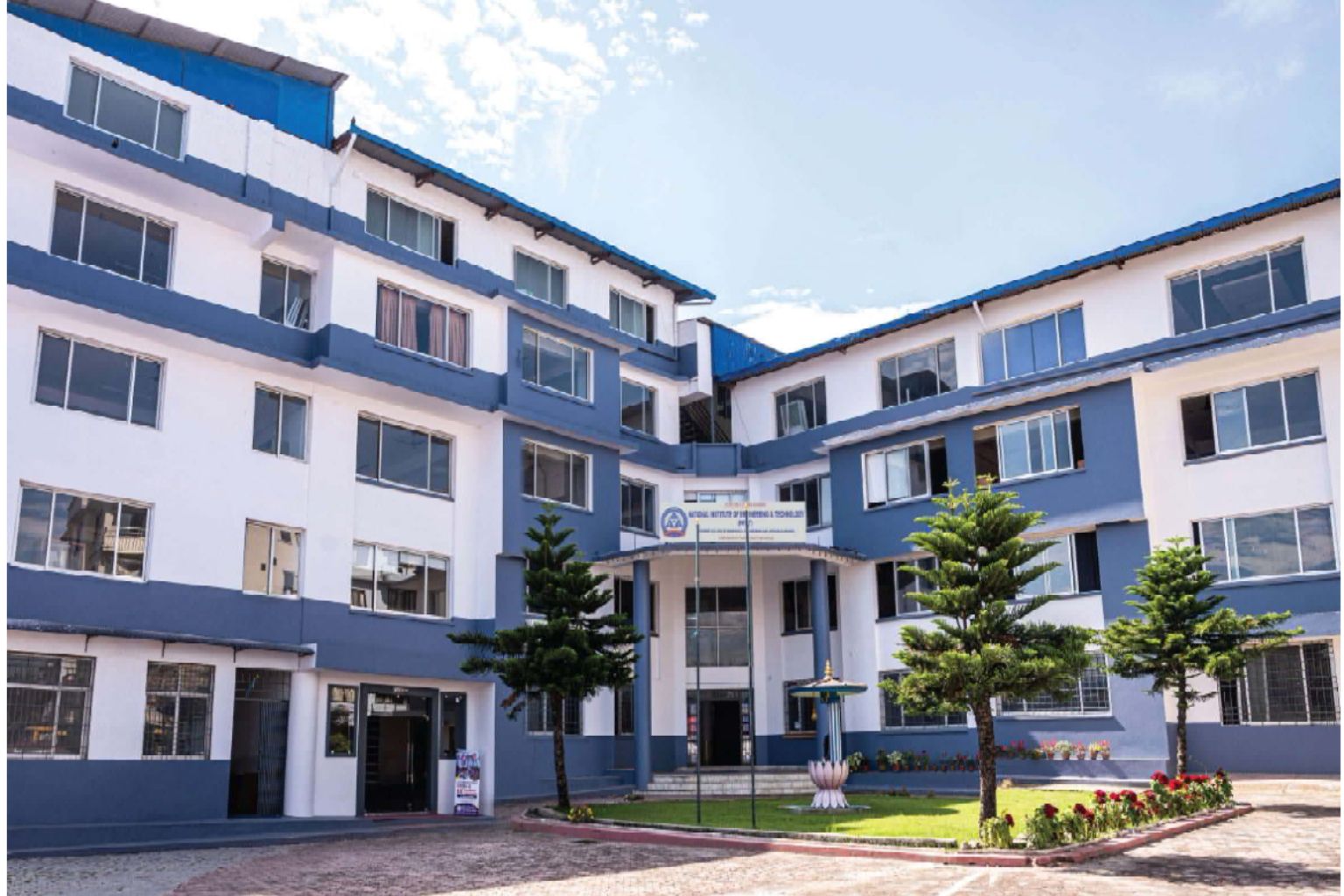
National Institute of Engineering and Technology is located in Kupondole, Lalitpur. It was established in 2005 under the name College of Biomedical Engineering and Applied Sciences.
NIET is affiliated with Purbanchal University, registered with the Nepal Engineering Council and certified under the University Grants Commission’s Quality Assurance and Accreditation system. Its academic portfolio includes Computer Engineering, Biomedical Engineering and Artificial Intelligence.
Other bachelor-level programs available at the institute are:
The program is divided into eight semesters under the Purbanchal University Faculty of Engineering curriculum.
NIET offers 48 seats in the Bachelor of Computer Engineering program.
Applicants must have completed 10+2 or an equivalent qualification with Physics, Chemistry and Mathematics. A minimum aggregate of 50% is required.
Yes. Project I is included in the third semester, Project II in the fifth semester, and Project III is divided between the seventh and eighth semesters.
Yes. A three-credit internship is included in the eighth semester.
Students take four electives: one in the sixth semester, two in the seventh semester and one in the eighth semester.
Yes. Artificial Intelligence is a compulsory subject in the sixth semester. Machine Learning and Deep Learning also appear among the elective options.
Yes. NIET offers merit-based and need-based scholarships for deserving candidates.