Bachelor of Business Studies (BBS) at Ed Mark Academy/College in Kalanki, Kathmandu runs under Tribhuvan University (TU) and suits students for accounting, finance, marketing, human resources, and business law.
Affiliation: Tribhuvan University (TU)
Level: Bachelor’s (Four Years)
Location: Kalanki, Kathmandu, Nepal
Medium: English/Nepali as per subject
Assessment: TU examinations with internal work as scheduled
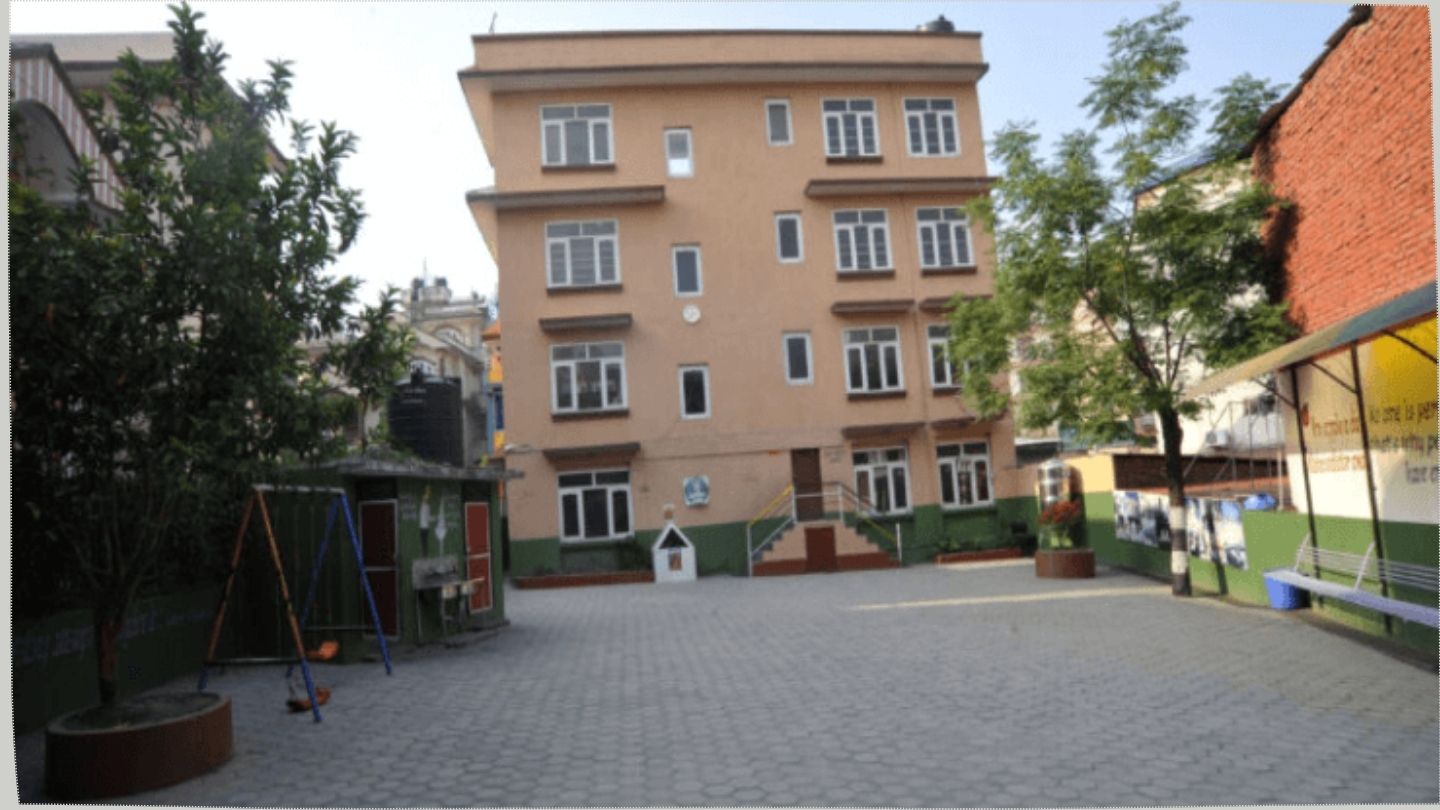
The program follows TU’s four-year structure. Students study foundation subjects first, then move into core and concentration areas. The final phase involves research methods and a project component. Classroom learning links to Nepali practices in taxation, business law, and reporting.
Year I: Business English, Business Statistics, Microeconomics for Business, Financial Accounting and Analysis, Principles of Management.
Year II: Business Communication, Macroeconomics for Business, Cost and Management Accounting, Human Resource Management/Organizational Behavior, Fundamentals of Financial Management.
Year III: Business Law, Foundation of Financial System, Business Environment and Strategy, Taxation in Nepal, Fundamentals of Marketing.
Year IV: Entrepreneurship, Business Research Methods, Concentration papers, Final Project.
Course sequencing may be adjusted in the annual teaching plan, but coverage follows TU’s official outline.
Build clear understanding of Nepali business operations in accounting, finance, and markets.
Develop habits in quantitative work, business communication, and documentation.
Prepare students for supervised responsibility in offices, trading houses, and service organizations.
Graduates enter banking services, cooperative finance, trading and manufacturing firms, retail and logistics units, and NGO/INGO administration. Many continue to MBS or pursue certifications in accounting and taxation as eligibility allows.
Read and interpret financial statements that reflect Nepali rules and practice.
Prepare basic budgets, cost sheets, and tax workings for small enterprises.
Explain business environment factors and strategy choices in local markets.
Produce business reports with sources, tables, and clear summaries.
Accounting Practice: Ledger entries, reconciliations, ratio discussion using past exam formats.
Quantitative Work: Statistics for decision-making, cost-volume-profit analysis, cash budgeting.
Communication: Business letters, memos, minutes, and short reports aligned to assignments.
Project Work: Topic selection, proposal, data collection, analysis, and write-up.
Faculty combine lectures, guided tutorials, AV-supported sessions, and problem-solving classes. Internal tests mirror TU patterns. Students receive study calendars, reading lists, and deadline reminders early in the term.
Eligibility: NEB Grade 12 or equivalent, plus documents required by TU and the campus.
Process: Application, interview, and program screening as notified.
Documents: Transcripts and character certificate, citizenship/birth certificate copy, photographs, and migration/transfer letter where required.
Banking and microfinance operations
Accounts assistant and store management roles
Sales coordination and office supervision
Administrative roles in NGOs/INGOs
Pathway to MBS and sector exams (as per rules)
Merit and need-based support depend on annual notices and seat availability. Renewal usually depends on attendance, internal performance, and exam results.
You receive a steady, well-structured route into business studies that fits Nepali workplaces. The four-year plan provides enough breadth for entry-level roles and a base for graduate study.
BBS at Ed Mark Academy/College remains a practical choice for students who want a recognized TU degree with a clear route into accounting, finance, or general management roles. Always check the current admission circular for dates, seats, and fee updates.
Is BBS four years under TU?
Yes.
Can I apply after NEB Grade 12?
Yes, subject to current eligibility.
Does the college follow TU exams?
Yes.
Can I continue to MBS?
Yes, as per TU rules for the intake year.
Are scholarships available?
The campus publishes criteria and quotas each session.