Bachelor of Arts in Social Work (BASW) at Himalaya College, Koteshwor, is a four-year undergraduate program run under Tribhuvan University (TU), Faculty of Humanities and Social Sciences. The course follows the BASW course of study approved by TU and functions within the academic and examination standards set by the university.
Himalaya College offers this program as part of its extended academic pathway from school level to master’s level. The college setting in Koteshwor connects students to urban, semi-urban, and community-based organisations where social issues are visible in daily life. Students who feel concerned about inequality, exclusion, mental health, displacement, child rights, gender concerns, and community development find a structured route here to turn that concern into informed practice.
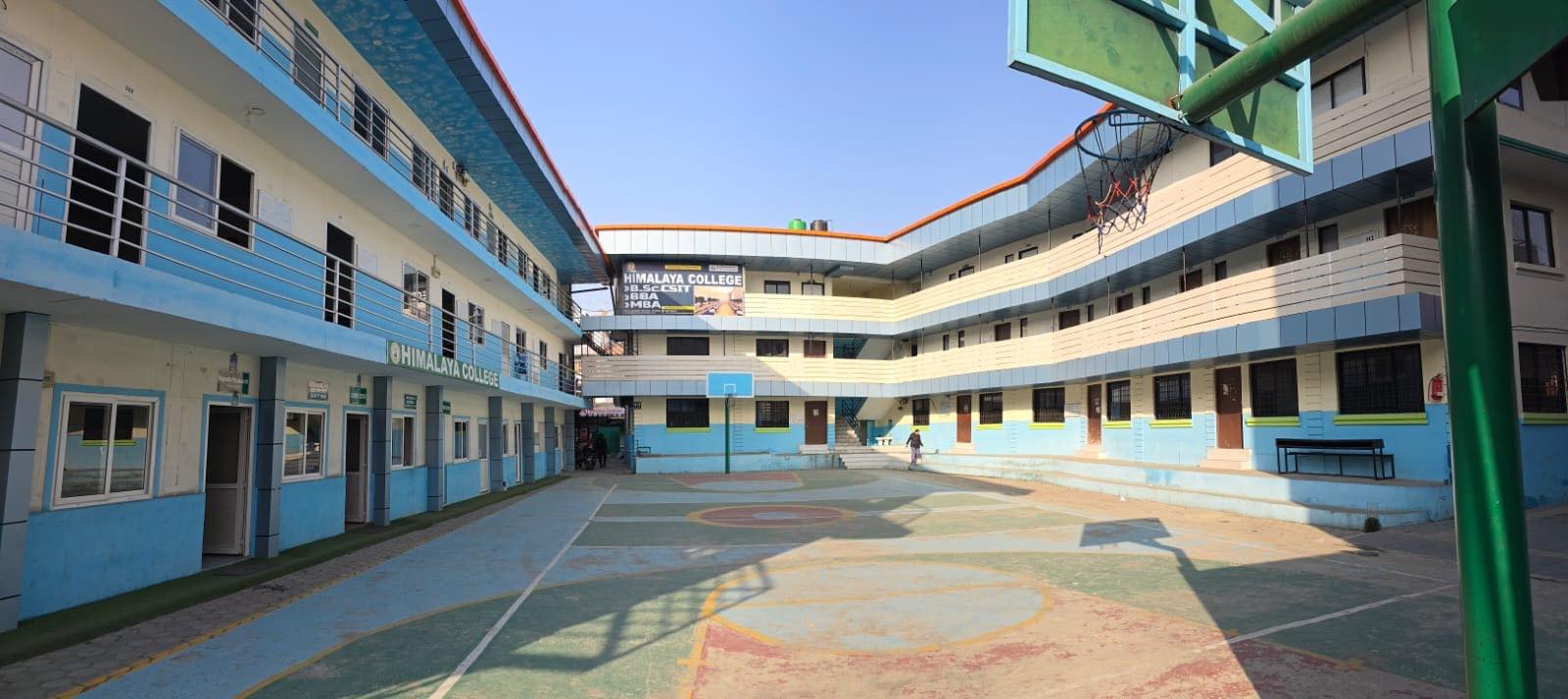
Location: Koteshwor Chowk, Kathmandu, Bagmati Province, Nepal
Affiliation: Tribhuvan University (TU), Faculty of Humanities and Social Sciences (BASW/BASIY curriculum)
Duration: 4 years, annual examination system as per TU BASW structure
Level: Undergraduate degree in Social Work with strong fieldwork and community exposure
Medium of Instruction: English and Nepali (classroom practice uses both for clarity and field relevance)
Internal Culture: Disciplined academic environment guided by “Duty, Devotion, and Sincerity for Quality Education”
Key Features at Himalaya: Structured fieldwork supervision, linkages with community organisations, small-group guidance, and documented evaluation
Tribhuvan University’s BASW curriculum provides a clear national framework, and Himalaya College follows this structure.
Core academic components include:
Foundations of Social Work
Introduction to Social Work
History, philosophy, values, and ethics of social work
Relationship of social work with sociology, psychology, political science, economics, and anthropology
Social Sciences and Human Behaviour
Basic Sociology for Social Work
Basic Psychology for Social Work
Nepal Studies and social structure
Understanding of family, community, institutions, and social change
Methods of Social Work Practice
Social case work
Social group work
Community organisation
Social action and social welfare administration
Social work research
Policy and Context
Social policy and welfare in Nepal
Human rights, gender justice, child protection, inclusion
Development perspectives, poverty, migration, marginalisation
Research and Academic Writing
Research methods in social work
Proposal writing, data collection, analysis, and report writing
Academic writing and documentation skills
Fieldwork and Practicum
Compulsory fieldwork in multiple years under TU norms
Minimum prescribed practical hours under supervision
Continuous fieldwork reporting, logbooks, and viva-voce evaluations
BASW at Himalaya College seeks to:
Prepare generalist social work graduates who can work in Nepal’s community, development, and institutional settings.
Build a grounded understanding of social problems through classroom learning linked to real communities.
Inculcate professional values such as respect, confidentiality, accountability, and social justice.
Develop the habit of systematic inquiry, documentation, and reflective practice.
Support students who plan to continue into Master in Social Work (MSW) or related postgraduate studies.
The BASW degree from a TU-affiliated college carries recognition within the national system and is relevant for roles in:
NGOs and community-based organisations
Social service units in hospitals, schools, and rehabilitation centres
Development projects working on livelihoods, health, education, child rights, gender, environment
Municipal and local government social sections, subject to service rules
Research units, advocacy groups, and policy-focused organisations
Further studies: MSW, MA in Sociology/Anthropology, Gender Studies, Development Studies, Public Health (as per individual eligibility criteria)
Scope depends on your performance, field experience, language skills, and commitment to continuous learning.
Graduates of BASW at Himalaya College are expected to:
Understand key concepts, methods, and ethics of professional social work.
Identify and analyse social problems in local and national contexts using appropriate frameworks.
Work directly with individuals, families, groups, and communities in a structured manner.
Conduct guided social research: prepare tools, collect data, interpret findings, and write reports.
Maintain case records, field diaries, and documentation as per agency and university requirements.
Communicate clearly with beneficiaries, colleagues, agencies, and authorities.
Apply TU-prescribed ethical principles while facing practical dilemmas in the field.
These outcomes reflect TU objectives and are reinforced through the college’s internal academic practices.
Skill growth in BASW at Himalaya College is gradual and practice-based:
Fieldwork Skills
Weekly or periodic visits to communities, schools, shelters, health posts, or organisations
Orientation before placement and debriefing after visits
Case work, group sessions, community meetings under supervision
Communication and Counseling Basics
Listening skills, respectful questioning, note-taking
Basic helping conversations under clear ethical boundaries
Research and Documentation
Preparation of field reports, reflective journals, case studies
Small research projects on issues such as early marriage, migration, gender-based violence, street children, disability inclusion
Teamwork and Coordination
Planning and conducting activities in groups
Working with multidisciplinary teams in organisations
Professional Attitudes
Punctuality, attendance, preparation for field and class
Confidential handling of information
Respect for organisational rules and community norms
These components help students move from interest to professional conduct.
Himalaya College follows a disciplined and interactive approach that matches the program’s applied nature:
Classroom Lectures
Conceptual clarity using TU syllabus, references, and relevant Nepali examples
Tutorials and Group Work
Small-group discussions on case scenarios, policy issues, and ethical questions
Review of readings and reports to strengthen understanding
Fieldwork Supervision
Placement in social organisations as per TU guidelines
Supervision by subject teachers and, where applicable, agency supervisors
Regular feedback on field diaries and behaviour in the field
Seminars and Guest Sessions
Sessions with practitioners from NGOs, hospitals, child homes, and local bodies
Exposure to current practices and documentation standards in the sector
Evaluation System
Internal assessment based on attendance, assignments, presentations, and fieldwork
Final examinations conducted under Tribhuvan University rules, including theory and practical evaluations
The focus remains stable: consistent study, monitored engagement, and clear academic accountability.
Admission to BASW at Himalaya College follows Tribhuvan University and FOHSS regulations:
Completion of Ten Plus Two (+2) or equivalent from a recognised board.
Minimum D+ in all subjects or equivalent, or the latest requirement set by TU for the concerned academic year. (Edusanjal)
Participation in entrance or screening procedures if required by TU or the college for that intake.
Submission of academic transcripts, certificates, character certificate, and photos within notified deadlines.
Applicants must verify current eligibility, quotas, and procedures from TU notices and official communication from Himalaya College, as policies may be revised.
BASW graduates from Himalaya College, under TU affiliation, can work in roles such as:
Social worker or program assistant in NGOs and INGOs
Community development worker in local projects
Child protection or case worker in child-focused organisations
Social mobiliser in governmental and non-governmental programs
Counselor or support staff in schools and colleges (where qualification matches role requirements)
Outreach worker in public health, mental health, addiction services, or rehabilitation settings
Research assistant in universities, research centres, or consultancies
Career growth depends on your field performance, integrity, documentation quality, and readiness to work in diverse settings.
Himalaya College provides limited scholarship support within institutional and regulatory norms:
Merit-based support for students who achieve strong results in internal or annual examinations.
Partial fee waivers for students from low-income backgrounds who maintain required academic performance and discipline.
Special consideration cases based on consistent effort, attendance, and conduct.
Each academic year, official notices specify categories, criteria, documentation, and application deadlines. Students should rely on these notices or direct confirmation from the college administration, not hearsay.
Students who select BASW at Himalaya College often seek:
A BASW degree under Tribhuvan University in an institution with a continuous academic pathway from school to master’s level.
A location in Koteshwor that gives access to varied communities, institutions, and organisations for field placement.
An environment where attendance, preparations, and reporting are monitored so that social work identity is built on discipline, not only intention.
Teachers familiar with social work practice in Nepal, available for academic guidance and field supervision.
A campus culture that treats BASW as a serious professional course, not an “easy option,” and expects consistent effort from students.
This combination helps students connect their personal concern for society with structured learning and recognised credentials.
Bachelor of Arts in Social Work (BASW) at Himalaya College, Koteshwor, stands as a structured, TU-affiliated program for students who want to work in social service, development, and community-based roles. The program follows approved national curriculum, includes compulsory fieldwork, and is delivered in an organised academic environment backed by the college’s long-standing presence in Kathmandu’s education sector.
Students and parents should use this information as a factual guide, then cross-check current details—intake capacity, fees, entrance dates, and updated rules—through official notices of Tribhuvan University and Himalaya College.
BASW at Himalaya College is affiliated with Tribhuvan University, Faculty of Humanities and Social Sciences, and follows the official BASW/BASIY curriculum and examination system.
The program runs for four academic years with annual examinations. It includes theory courses, research components, and compulsory fieldwork evaluated through internal and external assessments under TU rules.
Applicants must have completed Ten Plus Two or equivalent from a recognised board, meet the minimum grade requirement set by TU for BASW, and fulfill entrance or screening conditions if introduced for the intake year. Updated criteria need to be confirmed from official notices.
Yes. Fieldwork is a compulsory and central part of the BASW curriculum. Students engage in supervised placements, maintain field diaries and reports, and face practical evaluations as prescribed by TU.
Graduates work in NGOs, community organisations, development projects, child protection agencies, health and education support services, local government programs, and research units, depending on their competence and experience.
Yes. Himalaya College offers limited scholarships and concessions based on academic performance and financial need, following its internal policy and annual announcements. Details are provided through official notices before or during the admission process.