



MD General Practice and Emergency Medicine (MDGP) at Janaki Medical College (JMC), Janakpurdham is a three-year postgraduate residency under Tribhuvan University affiliation. The program prepares doctors to manage common health problems comprehensively and to provide timely emergency, life-saving surgical, and obstetrical interventions.
Training follows a full-time residential, non-practicing structure and includes supervised rotations, logbook-based performance monitoring, structured academic activities, and annual examinations. A designated preceptor supports each resident’s learning, while residents build independence through guided self-learning, bedside practice, and clinical responsibility.
MD General Practice and Emergency Medicine (MDGP) at Janaki Medical College (JMC), Janakpurdham is a 3-year Tribhuvan University–affiliated residency. Learn eligibility, MECEE-PG format, subject weightage, annual assessment structure, internal assessment rules, and residency standards.
Course Name: MD General Practice and Emergency Medicine (MDGP)
College: Janaki Medical College (JMC)
Location: Ramadiya Bhawadi, Janakpurdham, Dhanusa, Nepal
Affiliation: Tribhuvan University
Program Level: Masters (Postgraduate Residency)
Duration: 3 years
Entrance Exam: MECEE-PG (Medical Education Commission)
Seat Intake at JMC: 2 seats
Study Mode: Full-time residential; non-practicing
Key Training Focus: Comprehensive care, emergency readiness, referral coordination, district-level health system support
Clinical Learning Environment: JMC teaching hospitals at Ramdaiya and the city centre
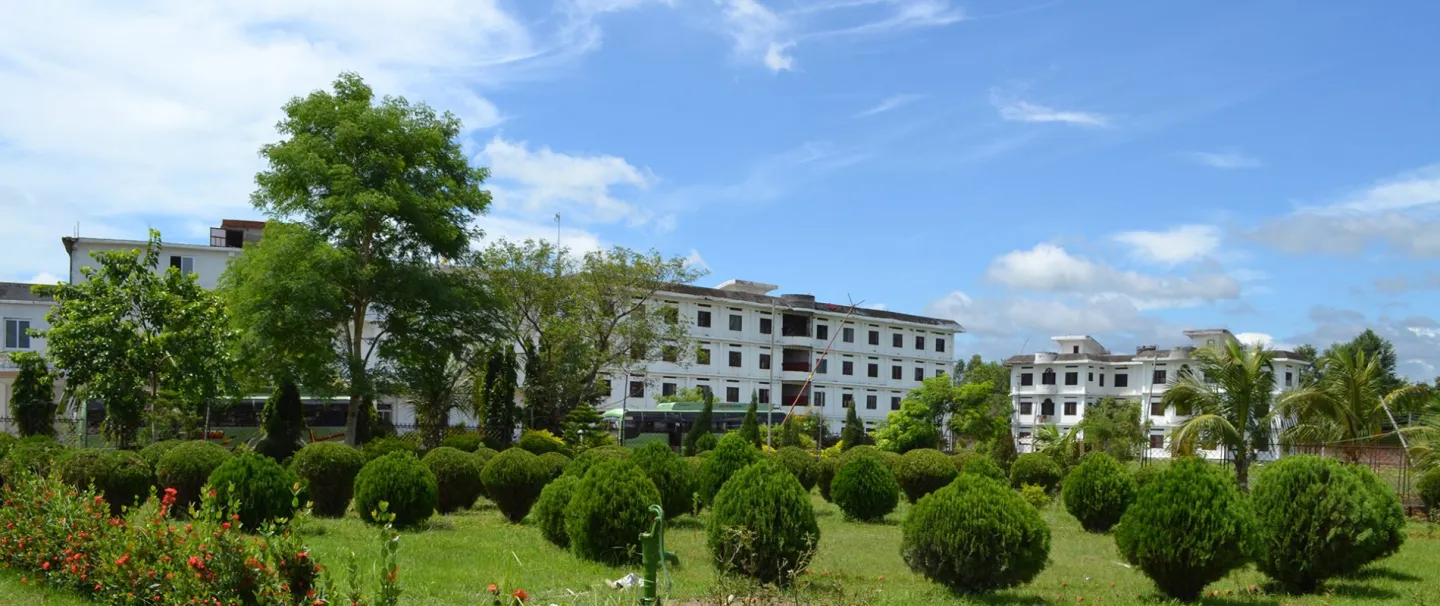
MDGP is built for doctors who want broad competence across adult medicine, child health, maternal health, emergency care, and essential procedures required in general practice settings. The residency develops clinical decision-making under resource constraints, strengthens emergency response readiness, and builds the leadership skills needed to support district-level health services.
Residents learn to coordinate prevention and health promotion activities, manage clinical and administrative responsibilities, and build effective referral systems. Communication and teamwork across governmental and non-governmental health services remain central to day-to-day practice throughout the three years.
Residents train through progressive rotations that cover medical specialties, surgical specialties, and general practice specialties. Each rotation is monitored by internal assessment and logbook review. A preceptor is assigned for each resident, and learning emphasizes self-directed study supported by faculty guidance. Formal lectures are kept limited, while continuing medical education (CME), clinical presentations, and journal club sessions form a regular academic routine.
The program aims to develop a physician who can handle both routine and urgent clinical workloads safely, coordinate services across levels of care, and maintain professional standards expected from a clinical leader in general practice.
The residency is organized around three annual specialty clusters:
Medicine
Dermatology
Psychiatry
Paediatrics
Surgery
Orthopaedics
Obstetrics and Gynaecology
Family Planning
General Practice and Emergency
Anaesthesia
Eye
ENT
Dental
Forensic
The rotation structure builds core clinical knowledge and practical competence before residents take on broader general practice and emergency responsibilities.
By completion of MDGP, residents achieve objectives across six areas:
Residents develop the ability to:
manage common and serious health problems comprehensively
diagnose health problems using patient history, physical examination, and available diagnostic facilities
provide appropriate medical and surgical management within available resources
Residents develop the ability to:
coordinate and implement health promotion and disease prevention activities
maintain strong knowledge of major district health problems
support and develop health post staff through clinical, administrative, and health promotion guidance
visit health posts regularly or as required
Residents develop the ability to manage staff and carry out hospital administrative responsibilities effectively.
Residents develop the ability to:
arrange and conduct in-service training for hospital staff and others
provide education or training to different levels of health care students assigned to the hospital
Residents develop the ability to:
establish effective referral systems
coordinate communication and cooperation among healthcare services (governmental and non-governmental)
maintain effective support for health posts
Residents develop the habit of:
maintaining current clinical knowledge through continuing health education
working in line with government health care objectives
maintaining personal and professional standards consistent with a leadership role in healthcare teams
Applicants must meet these requirements:
MBBS or equivalent from institutions recognized by the Government of Nepal
Registration in Nepal Medical Council
Foreign candidates: registration in the medical council of the applicant’s own country
Entrance requirement: minimum 50% (pass marks) in the Medical Education Commission entrance examination to be eligible for the merit list
Experience requirement: one-year experience applies to clinical postgraduate programs, except for MDGP and MD/MS in Basic Medical Sciences
Admission is through MECEE-PG under the Medical Education Commission.
Exam format
Single best response MCQ (four options: A, B, C, D)
200 questions
Recall : Understanding : Application = 30 : 50 : 20
Duration: 3 hours (includes one-time voluntary toilet break, allowed only after one hour)
Subject weightage (Total: 200 marks)
Clinical (115)
Medicine 18, Surgery 18, Obstetrics and Gynecology 12, Pediatrics 12
Orthopedics 10, ENT 10
Ophthalmology 7, Anaesthesiology 7, Psychiatry 7, Radiology 7, Dermatology 7
Basic Medical Sciences (60)
Anatomy 12, Physiology 12
Pathology 10, Pharmacology 10
Biochemistry 8, Microbiology 8
Community Medicine and professional components (25)
Community Medicine + Research Methodology 10
Forensic Medicine 5
Mandatory CPD-related topics 10 (medical ethics, rational use of drugs, infection prevention, BLS/ACLS, communication skills)
Nepalese and foreign candidates appear in the common entrance examination.
Merit lists for Nepalese and foreign candidates are published separately.
Admission follows merit basis through open house counseling wherever applicable.
MDGP uses a combined evaluation approach: internal assessment plus annual final assessment.
Conducted after each rotation by the designated preceptor
Based on performance during the rotation, logbook, and related academic work
An examination may also be conducted by the Department of General Practice and/or the respective specialty departments
Passing internal assessment at the end of rotation is required to proceed to the final examination
Held at the end of each year
Includes theoretical and practical components
External examiner participation supports quality control
Pass mark: 50% in each component
Theory: 80 (final) + 20 (internal) = 100
Clinical: 1 long case (40) + 2 short cases (20×2 = 40) + internal (20) = 100
Oral: OSCE spottings (30), logbook (10), viva (60)
Theory: 80 (final) + 20 (internal) = 100
Clinical: 4 short cases (20×4 = 80) + internal (20) = 100
Oral: OSCE spottings (30), logbook (10), viva (as per annual oral structure)
Theory: 80 (final) + 20 (internal) = 100
Clinical: 2 short cases (20×2 = 40) + internal (20) = 100
Research project: 40
Oral: OSCE spottings (30), logbook (10), viva (60)
Residents follow these postgraduate clinical training standards:
Full-time residential training
Compliance with Institute of Medicine (IoM) rules and regulations
Two weeks leave permitted per year in hospital-based clinical/para-clinical postgraduate programs
Non-practicing residency: private practice and private assignments are prohibited
Three months community-based teaching–learning in clinical postgraduate programs
One-year service obligation after completion at a government-assigned placement applies to Nepalese candidates, as per Ministry of Health & Population directives
MDGP graduates are prepared for clinical roles that require broad competence and strong emergency readiness. The training supports work in:
general practice services and emergency care settings
district hospitals and health systems needing comprehensive case management
referral coordination roles linking health posts and higher-level care
academic and training support roles for junior healthcare staff and students
Career outcomes depend on licensing, service obligations where applicable, and individual professional decisions.
MDGP is a three-year postgraduate residency program.
Admission is through MECEE-PG under the Medical Education Commission.
MDGP intake at JMC is 2 seats.
The one-year experience requirement applies to clinical postgraduate programs, except for MDGP and MD/MS in Basic Medical Sciences.
No. Postgraduate residents follow a non-practicing rule and are not permitted to undertake private practice or private assignments.
Assessment combines internal assessment after each rotation (20%) and annual final assessment with theoretical and practical components. Passing internal assessment is required to sit the final examination.
Yes. Clinical postgraduate programs include three months of community-based teaching–learning.
Nepalese candidates complete one year of service at a government-assigned placement after course completion, as directed by the Ministry of Health & Population.






