



MD Internal Medicine at Janaki Medical College (JMC), Janakpurdham is a postgraduate residency program under Tribhuvan University affiliation. The program runs for three years in a full-time residential training format and follows Institute of Medicine (IoM) academic and administrative regulations. Residents train within a non-practicing framework and complete a community-based teaching–learning component that meets Nepal Medical Council requirements for clinical postgraduate programs.
Entry is through the Medical Education Commission (MEC) common entrance system (MECEE-PG), with merit-based selection and separate merit lists for Nepalese and foreign candidates. The program builds advanced competence in adult medicine through supervised responsibility, structured academic routines, and professional standards expected of specialist physicians.
MD Internal Medicine at Janaki Medical College (JMC), Janakpurdham is a 3-year full-time residential residency under Tribhuvan University affiliation. Learn eligibility, MECEE-PG exam format, admission process, leave rules, community-based training, and service requirement for Nepalese candidates.
Course Name: MD Internal Medicine
College: Janaki Medical College (JMC)
Location: Ramadiya Bhawadi, Janakpurdham, Dhanusa, Nepal
Affiliation: Tribhuvan University
Program Level: Postgraduate (Master’s)
Duration: 3 years
Training Mode: Full-time residential; non-practicing
Entrance Exam: MECEE-PG (Medical Education Commission)
Seat Intake at JMC: 1 seat
Leave Policy (clinical PG programs): 2 weeks per year
Community-Based Teaching–Learning: 3 months (clinical PG requirement)
Service Requirement (Nepalese candidates): 1 year at government-assigned placement after completion (as per Ministry of Health & Population directives)
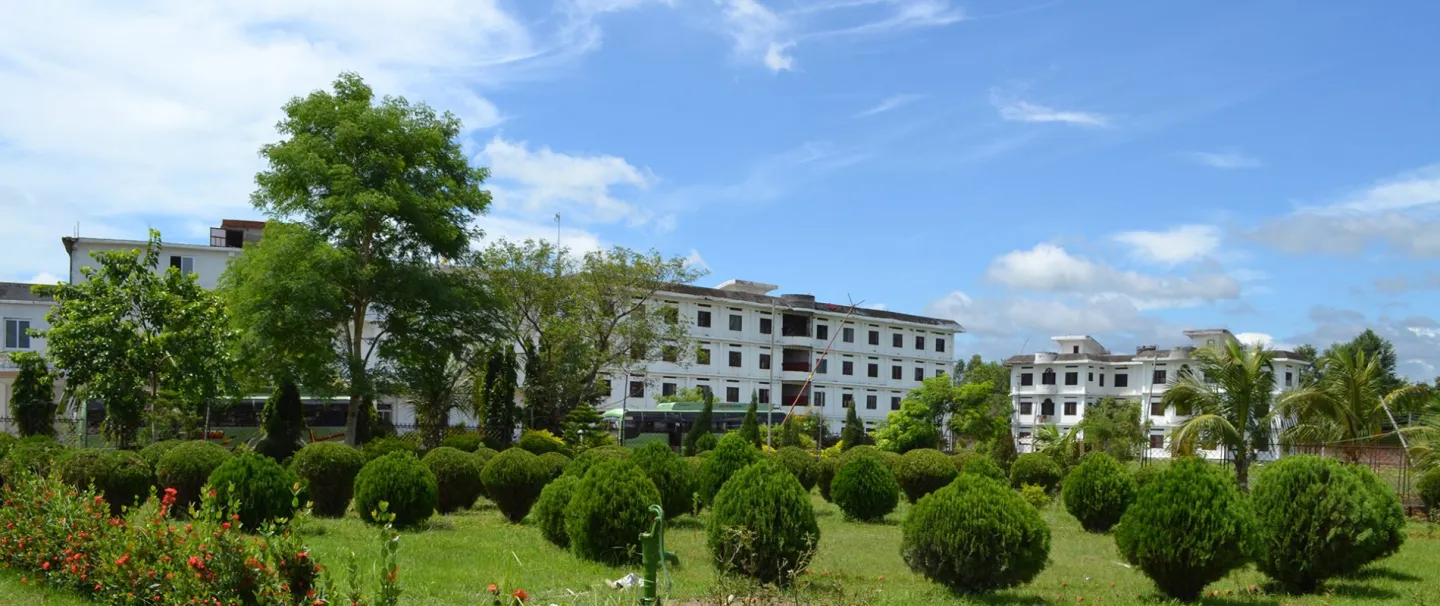
MD Internal Medicine is a residency pathway for doctors who want advanced training in diagnosing and managing adult medical conditions across inpatient, outpatient, and emergency care settings. The residency structure emphasizes disciplined clinical work, safe decision-making, professional ethics, and continuous academic engagement. Residents are expected to follow IoM regulations, maintain full-time commitment, and participate in community-oriented clinical learning as part of postgraduate medical education. The program is well-suited for candidates who want a structured, supervised environment to strengthen clinical reasoning, evidence-based practice, and leadership within medical teams.
The MD Internal Medicine residency is offered within the Tribhuvan University Institute of Medicine system and affiliated colleges. At JMC, the residency follows a full-time residential model where learning is built through supervised patient care, academic activities, and progressive responsibility.
Key training features include:
Residential responsibility: Residents remain engaged in continuous clinical learning through hospital-based duties and academic routines.
Regulatory alignment: The program follows IoM rules and regulations for postgraduate residents.
Non-practicing residency: Private practice and private assignments are prohibited during training, supporting full-time focus on clinical education.
Community orientation: A three-month community-based teaching–learning component is included, aligning clinical specialization with population health needs.
Total duration: 3 years
Study mode: Full-time residential training
Community-based learning: 3 months within the clinical program structure (Nepal Medical Council requirement for clinical postgraduate programs)
Internal Medicine residency training typically develops competence across:
Clinical evaluation: advanced history-taking, examination skills, and interpretation of clinical signs
Diagnostic reasoning: integrating symptoms, findings, investigations, and differential diagnosis
Patient management: evidence-informed planning, monitoring, escalation, and referral
Emergency readiness: prioritization, stabilization, and coordination in acute care
Professional practice: ethics, communication, rational prescribing, infection prevention, and safe documentation
Academic discipline: structured case discussions, journal-based learning, and topic reviews
Postgraduate residents participate in ongoing academic activities as part of residency culture. These commonly include:
case presentations and clinical discussions
journal club and topic-based presentations
clinico-pathological and radiology-oriented learning sessions
bedside clinical teaching and group learning formats
This academic structure supports reflective practice and continuous improvement alongside service responsibilities.
MD Internal Medicine residency supports doctors to develop specialist-level competence in adult medicine by strengthening:
diagnostic accuracy and safe clinical decision-making
management of common and complex medical conditions
team-based care and professional communication with patients and families
ethical practice, patient safety, and rational use of medicines
readiness for specialist roles within hospital services and broader health systems
By the end of the three-year residency, graduates are prepared to:
evaluate adult patients systematically and prioritize clinical problems
apply evidence-based management strategies and monitor outcomes
coordinate care across specialties and refer appropriately when needed
manage acute presentations with safe escalation and teamwork
uphold professional standards in documentation, consent, communication, and ethics
contribute to academic environments through presentations and clinical learning activities
Residents build skills in:
clinical reasoning: structured assessment, differential diagnosis, and investigation planning
communication: counselling, shared decision-making, and interdisciplinary coordination
professionalism: accountability, ethical conduct, and safe patient care routines
patient safety: infection prevention, rational prescribing, and clinical governance habits
academic competence: critical reading, presentation skills, and continuous learning discipline
The residency model emphasizes self-directed learning supported by teaching faculty and a preceptor-guided approach. Teachers and preceptors function as guides while residents build independence through supervised responsibility. Formal lectures are kept limited in postgraduate training culture, while academic discussions and clinical learning sessions remain a regular feature of residency education.
Candidates must meet these requirements:
MBBS or equivalent from institutions recognized by the Government of Nepal
Registration in Nepal Medical Council
Foreign candidates: registration in the medical council of the applicant’s own country
One-year experience requirement: applicable to clinical postgraduate programs, with specified exceptions for MDGP and MD/MS in basic medical sciences
Entrance qualification: minimum 50% (pass marks) in the MEC entrance examination to be eligible for the merit list
MD Internal Medicine admission uses the MEC common entrance examination:
Exam type: single best response multiple choice questions (four options: A, B, C, D)
Total questions: 200
Assessment mix: Recall : Understanding : Application = 30 : 50 : 20
Duration: 3 hours (including one-time voluntary toilet break, allowed only after one hour)
Clinical (115 marks):
Medicine (18), Surgery (18), Obstetrics & Gynecology (12), Pediatrics (12)
Orthopedics (10), ENT (10)
Ophthalmology (7), Anaesthesiology (7), Psychiatry (7), Radiology (7), Dermatology (7)
Basic Medical Sciences (60 marks):
Anatomy (12), Physiology (12), Pathology (10), Pharmacology (10)
Biochemistry (8), Microbiology (8)
Community Medicine and Professional Components (25 marks):
Community Medicine + Research Methodology (10)
Forensic Medicine (5)
Mandatory CPD-related topics (10): medical ethics, rational use of drugs, infection prevention, BLS/ACLS, communication skills
All Nepalese and foreign candidates appear in the common entrance examination.
Merit lists for Nepalese and foreign candidates are published separately.
Admission follows merit basis through open house counseling wherever applicable.
A minimum of 50% marks in the entrance examination is required for admission consideration.
MD Internal Medicine residency at JMC follows these administrative standards for postgraduate residents:
Full-time residential training: required throughout the program
Non-practicing rule: private practice and private assignments are prohibited
Leave entitlement (clinical PG programs): two weeks per year
Community-based teaching–learning: three months for clinical postgraduate programs
Service obligation after completion (Nepalese candidates): one year of service at a government-assigned placement, as directed by the Ministry of Health & Population
These rules are integral to maintaining the integrity of postgraduate clinical training and ensuring consistent learning engagement.
Entry into MD Internal Medicine is through MECEE-PG. The residency follows IoM academic rules and resident evaluation practices applicable to postgraduate training. Program completion involves fulfilling residential training requirements and meeting academic and administrative standards set by the university system.
For medical practice, the Nepal Medical Council Licensing Examination (NMCLE) is referenced as the licensing examination for MBBS, MD, and MS programs.
MD Internal Medicine graduates commonly progress into specialist roles in:
hospital-based internal medicine services
multidisciplinary clinical teams and inpatient care
outpatient medicine and chronic disease management services
academic and teaching-linked clinical roles
health system roles that require specialist-level clinical decision-making
Career pathways depend on licensing, service requirements where applicable, and individual professional goals.
Students commonly select this residency pathway at JMC because it offers:
Tribhuvan University affiliation within the IoM system
three-year full-time residential training format
non-practicing residency standards that support focused training
community-based teaching–learning component within clinical postgraduate structure
merit-based admission through the national MECEE-PG entrance framework
clearly defined resident rules on leave, training conduct, and post-completion service requirements for Nepalese candidates
MD Internal Medicine at Janaki Medical College is a three-year postgraduate residency program under Tribhuvan University affiliation, structured as a full-time residential, non-practicing training pathway. Admission is through the MEC common entrance system (MECEE-PG), and residency standards follow IoM rules, including defined leave provisions and community-based teaching–learning requirements. The program supports doctors in developing advanced competence in adult medicine, professional discipline, and the academic habits expected of specialist physicians.
The residency duration is 3 years.
Admission uses MECEE-PG under the Medical Education Commission common entrance framework.
Applicants need MBBS (or equivalent) recognized by the Government of Nepal, Nepal Medical Council registration, and must meet entrance and experience requirements. Foreign candidates need registration in the medical council of their own country.
Yes. The program follows a full-time residential training model.
No. Postgraduate residents are prohibited from private practice and private assignments during training.
A total of two weeks leave is permitted per year in hospital-based clinical postgraduate programs.
Yes. Clinical postgraduate programs include three months of community-based teaching–learning as per Nepal Medical Council requirements.
Yes, Nepalese candidates serve for one year at a government-assigned placement after completion, as per Ministry of Health & Population directives.






