



The Diploma in Architecture Engineering offered at Kathmandu Institute of Technology (KIT), Dhapasi, Kathmandu, is a three-year program affiliated with the Council for Technical Education and Vocational Training (CTEVT), Nepal.
This course is intended for students interested in the design, planning, and construction of buildings and built environments.
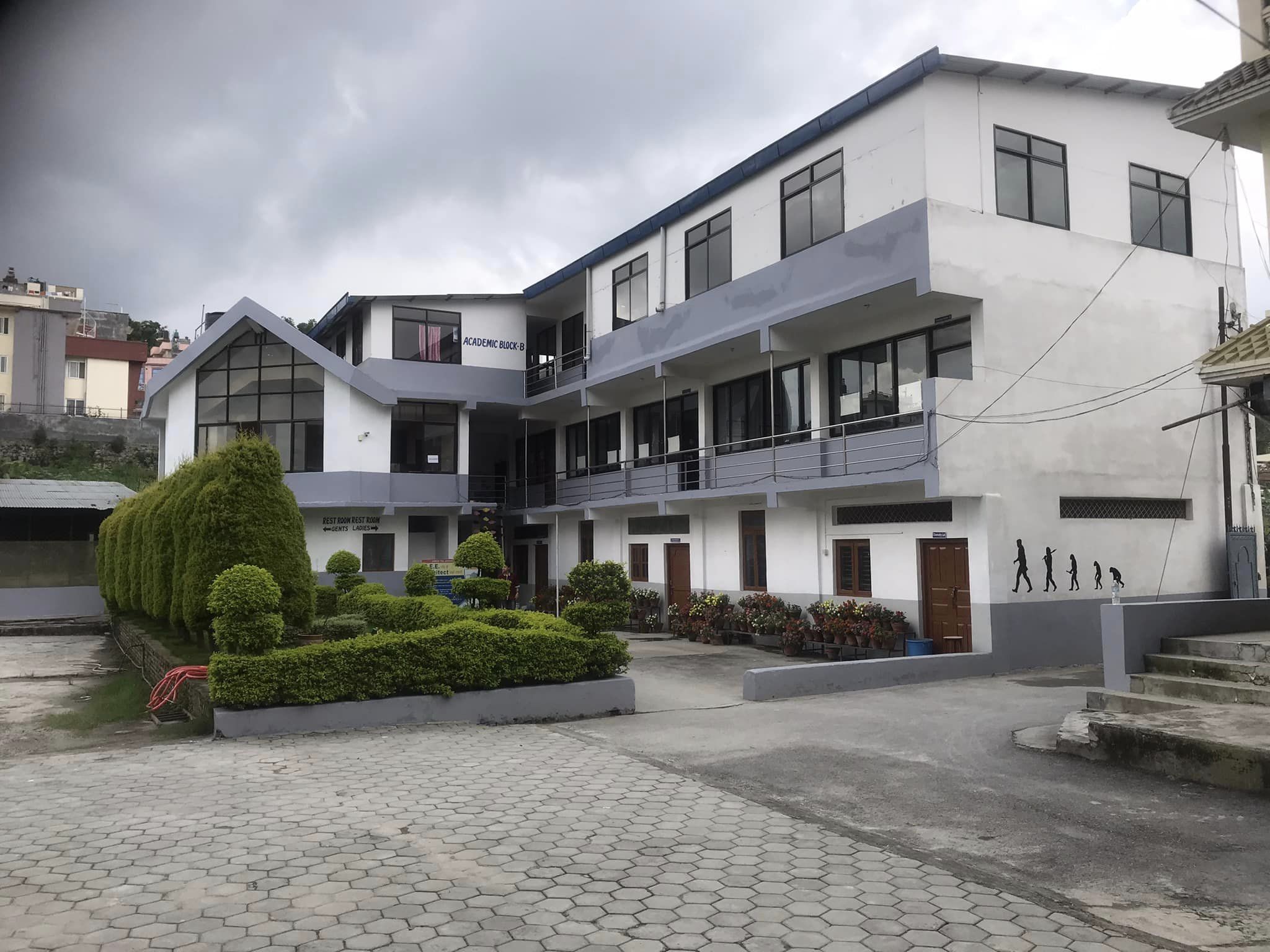
This course introduces students to architectural design, building structures, and planning techniques. It combines classroom learning with studio-based exercises where students create sketches, models, and layout plans.
The program emphasizes both the visual and technical aspects of design, encompassing form and space, as well as construction methods and materials.
The curriculum is based on CTEVT’s official structure and prepares students for entry-level positions in the architectural and construction fields, as well as for further study.
The course is delivered over six semesters, spanning three academic years. Topics include:
Architectural Design and Drawing
History of Architecture and Design Principles
Building Materials and Construction Technology
Environmental Science and Climate Considerations
Computer-Aided Design (CAD)
Building Services and Interior Planning
Site Planning and Surveying
Estimating and Specification Writing
Final Year Project and Field Training
All students receive the official syllabus at the start of the program.
The diploma runs over three years and is divided into six semesters. KIT admits 48 students per intake, following CTEVT rules.
This helps ensure adequate time for individual guidance, especially in studio and design-focused coursework.
To apply, students must meet one of the following:
SEE or equivalent with minimum GPA 1.6, and at least D+ in English, Mathematics, and Science
Completion of a related TSLC/Pre-Diploma program with at least 68.33% aggregate marks
All students must also pass the CTEVT entrance exam.
By the end of the program, students will be able to:
Create building designs that meet functional and aesthetic goals
Develop architectural drawings and layout plans
Use design software such as AutoCAD for modeling and visualization
Understand construction techniques and building materials
Prepare site plans, estimates, and project documentation
Analyze building performance about the environment
Graduates can work in a variety of fields, including:
Residential and commercial building design
Construction and supervision
Urban planning offices
Interior layout and detailing
Landscape and site development
Government and municipal planning units
Job roles may include:
Assistant Architectural Designer
CAD Technician
Site Planner
Junior Estimator
Draftsperson
Interior or Landscape Assistant
Graduates may also choose to pursue further education in architecture or civil engineering at the bachelor’s level.
KIT follows the fee structure set by CTEVT. The college does not charge above the official rate. For a detailed fee breakdown, students or guardians may contact the administration during working hours.
This course balances classroom lessons with studio practice. Students participate in regular sketching sessions, design critiques, and material workshops.
Projects include both individual assignments and team-based tasks. Instructors support students with feedback throughout the design and drafting process.
The final semester includes a project and a field-based internship, enabling students to gain hands-on experience prior to graduation.
KIT provides scholarships based on the CTEVT entrance examination system. These include full and partial scholarships as outlined in CTEVT’s annual scholarship policy. Eligible students are encouraged to apply.
KIT has been providing CTEVT-affiliated diploma programs since 2057 B.S. The Architecture Engineering course is ideal for students who enjoy working with ideas, space, form, and structure. The program develops both design thinking and practical construction knowledge.
Contact Kathmandu Institute of Technology (KIT)'s administrative office for detailed information on the Diploma in Architecture Engineering course, including fees, scholarships, facilities, counseling, eligibility criteria, etc.






