Kathmandu Institute of Technology (KIT College), located in Milantole, Tokha Road, Dhapasi, Kathmandu, is a technical academic institution established in 2057 B.S. (2000 A.D.). With affiliation to the Council for Technical Education and Vocational Training (CTEVT), KIT focuses on developing competent mid-level technical professionals across various engineering disciplines.
Over the decades, KIT has earned a credible reputation among students, educators, and institutions as a reliable academic destination for technical education in Nepal.
KIT was founded with a mission to make technical education accessible, practical, and contextually relevant for Nepal’s development needs. The institution maintains an academic environment founded on high-quality teaching, real-world learning, and continuous assessment. With updated syllabi, laboratory-based instruction, and regular workshops, KIT strives to bridge theoretical knowledge with hands-on skills.
Established: 2057 B.S. (2000 A.D.)
Location: Milantole, Tokha Road, Dhapasi, Kathmandu
Affiliation: CTEVT (Council for Technical Education and Vocational Training)
Programs: Diploma in Architecture, Civil, Computer, Electrical, and Electronics Engineering
Program Duration: 3 years
Annual Intake per Program: 48 students
Academic Model: Semester-based, practical-focused
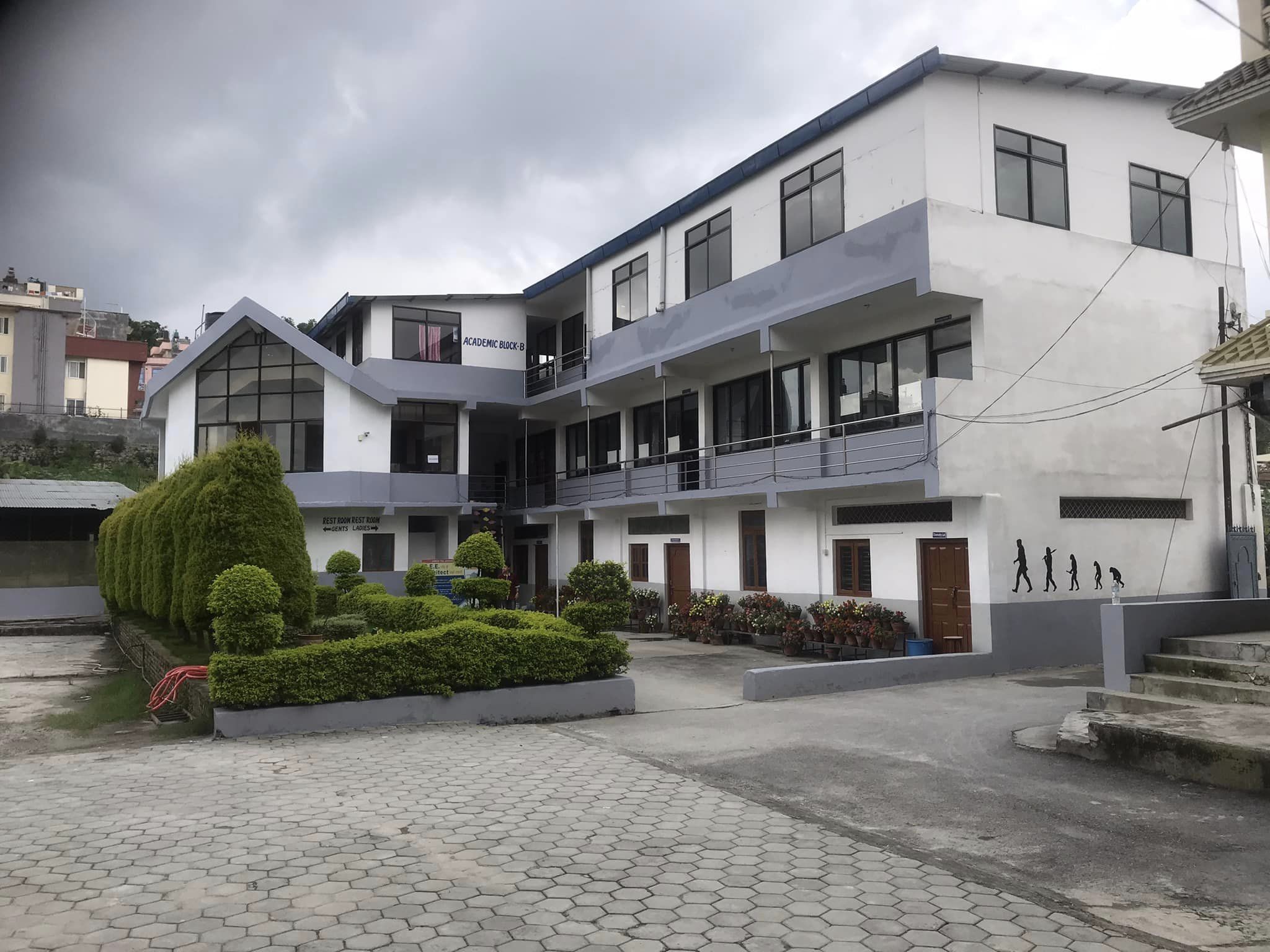
KIT offers five diploma-level engineering programs, each designed to meet the technical workforce demands of Nepal. The programs follow the CTEVT syllabus and emphasize hands-on experience alongside theoretical instruction.
This program focuses on the foundational principles of architectural design, structural drawing, construction detailing, and the environmental aspects of architecture. Students learn to draft designs both manually and digitally using CAD software. The course is suitable for students interested in design thinking, construction planning, and the technical aspects of architecture.
Civil Engineering at KIT equips students with essential knowledge in surveying, structural design, soil mechanics, hydraulics, and construction project management. The curriculum integrates classroom learning with practical fieldwork, helping students develop competence in building and infrastructure development.
This program trains students in computer hardware, programming, digital logic, data communication, and software development. With increasing demand in the IT sector, students graduating from this stream often pursue further studies or begin careers in software firms, networking companies, and digital service sectors.
The Electrical Engineering diploma course offers instruction in circuit theory, electrical machines, power systems, installation techniques, and industrial electronics. The program prepares students for entry-level roles in electricity supply, renewable energy, equipment maintenance, and system installation.
Students pursuing this program study analog and digital electronics, communication systems, microcontrollers, and instrumentation. The course is structured to help learners understand, build, and troubleshoot electronic systems used in daily life and industrial settings.
KIT follows the standardized CTEVT admission process. Candidates are required to:
Have passed the Secondary Education Examination (SEE) or equivalent.
Apply through the CTEVT Entrance Examination, conducted annually.
Meet the program-specific merit cutoffs.
Admission announcements are published through KIT’s official notice board and CTEVT’s channels. A reservation system is in place for eligible quotas, as per CTEVT policies.
The faculty members at KIT bring academic qualifications and field expertise to the classroom. Most instructors hold bachelor’s or master’s degrees in their disciplines, complemented by teaching and industrial experience.
The teaching methodology includes:
Interactive classroom lectures
Laboratory experiments
Field visits and practicals
Project-based assignments
Semester-wise evaluations and board exams
Emphasis is placed on preparing students for the job market with practical skills, critical thinking abilities, and technical communication competence.
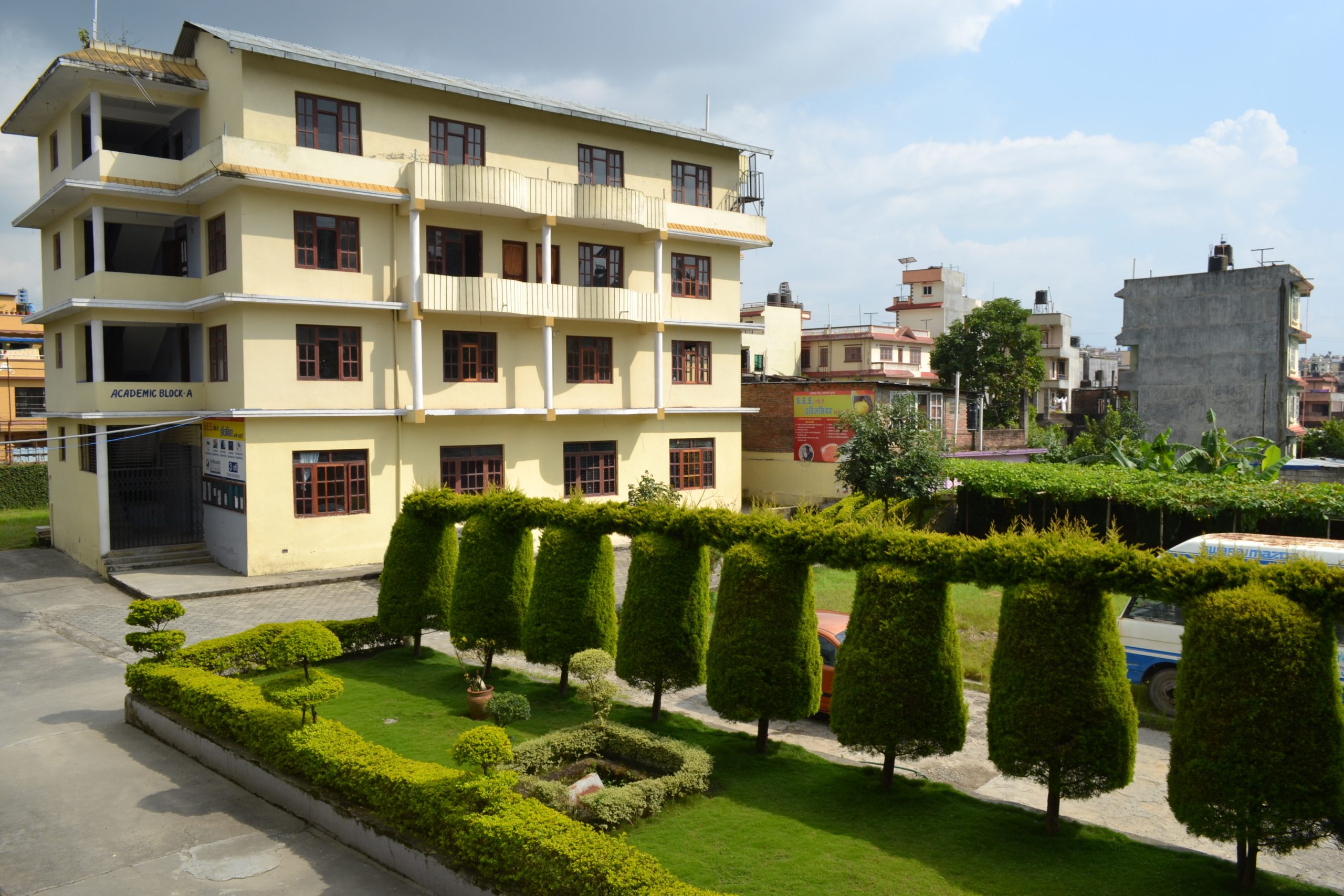
KIT offers a supportive learning environment with essential facilities including:
Well-equipped departmental laboratories
Computer labs with internet access
Drawing studios for architecture students
Classrooms with a multimedia setup
Library with updated technical resources
Power backup systems
Safe and accessible campus premises
These resources help create a conducive setting for technical education and professional development.
KIT encourages students to strike a balance between academic responsibilities and personal development. While the primary focus remains on education, students also engage in:
Peer-led study groups
Technical forums and clubs
Orientation and mentorship sessions
Regular interactions with alumni and industry professionals further enrich the learning experience.
Beyond the classroom, KIT organizes:
Inter-college competitions
Educational field trips
Seminar participation
Annual sports events
These activities help students build teamwork, leadership, and time management skills. Such exposure also fosters a sense of identity within the technical student community.
To support equitable access to education, KIT offers various financial assistance options aligned with CTEVT guidelines:
Full and partial scholarships for meritorious students
Quota-based scholarships (Dalit, Janajati, Madhesi, Muslim, remote area, etc.)
Government-allocated scholarships for girls and marginalized groups
Eligible students must apply during the CTEVT entrance process. Final selection is based on criteria such as entrance rank, socio-economic background, and category-based eligibility.
Over the years, KIT has marked key achievements:
Successful graduation of multiple batches in all five engineering programs
High placement rates in local engineering firms, NGOs, and government projects
Participation and recognition in national technical competitions
Alumni pursuing higher education in Nepal and abroad
KIT also contributes to the community by offering technical consultancy, skill development programs, and engaging in local development projects.
KIT stands out for its commitment to technical education that aligns with Nepal’s socio-economic context. It provides:
CTEVT-certified diploma programs with nationwide recognition
Practical-oriented curriculum designed for employability
Accessible location in Kathmandu with modern facilities
A culture of academic discipline and professional growth
Its consistent track record and institutional integrity make it a trusted option for students seeking technical careers.
Kathmandu Institute of Technology (KIT), with over two decades of educational service, has steadily contributed to the growth of Nepal’s technical manpower. Through its diverse engineering programs, trained faculty, hands-on instruction, and student-focused approach, KIT continues to serve as a reliable and effective platform for aspiring technicians and engineers.
Contact the administrative office of Kathmandu Institute of Technology (KIT) for detailed information on the course, admissions, location, fees, scholarships, facilities, counseling, or eligibility.