The Diploma in Civil Engineering at Kathmandu Institute of Technology (KIT), Dhapasi, Kathmandu, is a three-year program affiliated with the Council for Technical Education and Vocational Training (CTEVT), Nepal.
This course is designed for students interested in building, designing, and maintaining physical structures and infrastructure that support modern life.
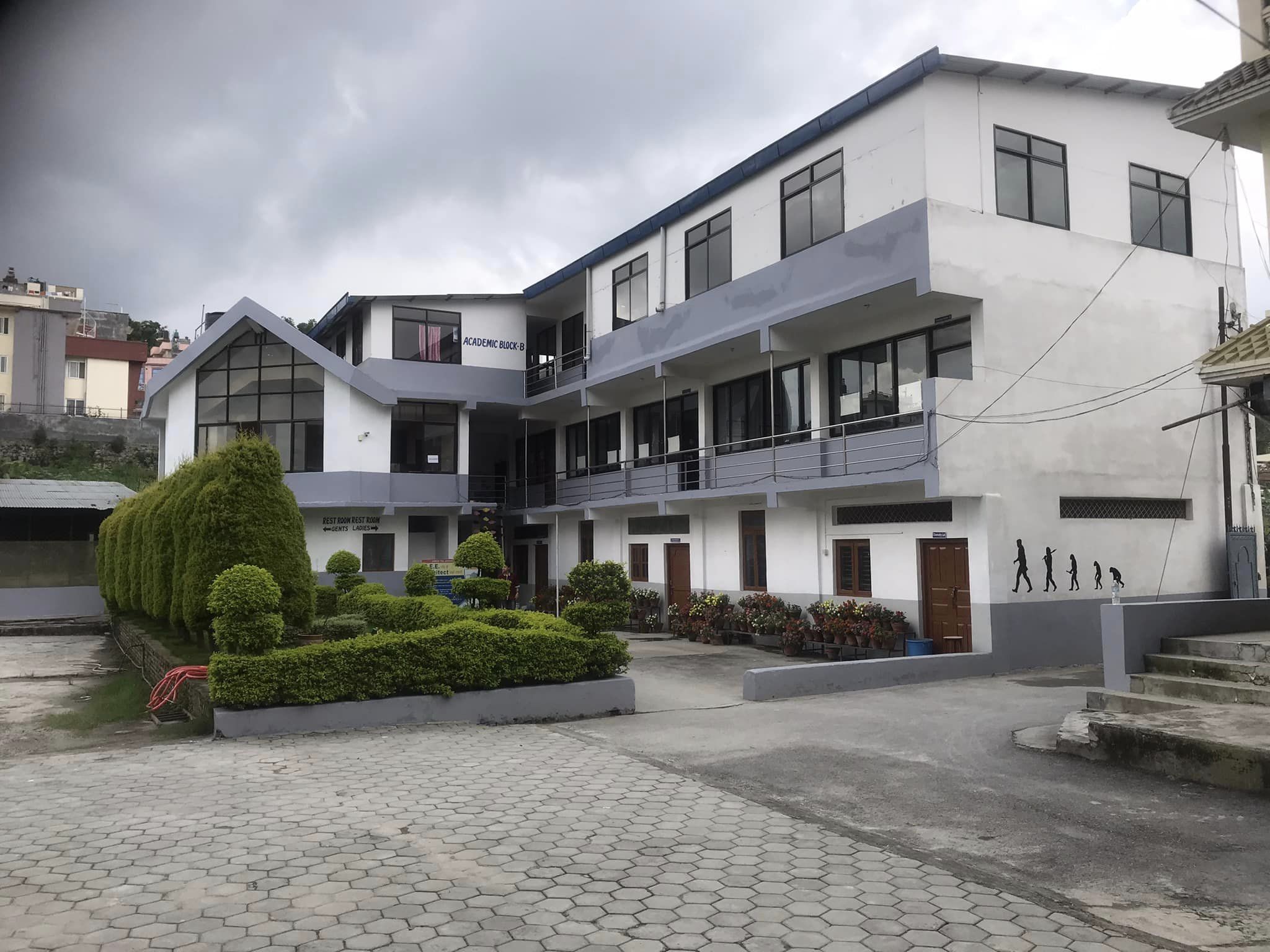
Civil engineering is one of the oldest and most essential branches of engineering. At KIT, students are introduced to the practical applications of their studies through a structured mix of theory and hands-on work.
From planning roads and buildings to water supply systems and bridges, this course provides learners with a clear understanding of how infrastructure projects are developed and executed.
KIT follows the official CTEVT curriculum, ensuring national recognition and consistency with Nepal’s technical education standards.
Over six semesters, students will study core topics that cover various aspects of civil engineering, including:
Engineering Drawing and Surveying
Structural Mechanics and Analysis
Hydraulics and Irrigation
Transportation Engineering
Soil Mechanics and Foundation Engineering
Construction Technology and Materials
Estimating and Costing
Environmental and Sanitary Engineering
Final Project and On-site Field Training
A full syllabus is shared with students upon enrollment as per the CTEVT-approved course plan.
The course runs over three academic years, divided into six semesters. As per CTEVT guidelines, KIT admits up to 48 students per intake. This limited class size allows for more interaction during lab sessions, site visits, and project work.
Applicants must meet one of the following requirements:
Passed the SEE or equivalent with a minimum GPA of 1.6, and at least D+ in English, Mathematics, and Science
Completed a related TSLC/Pre-Diploma program with at least 68.33% aggregate marks
Students must also pass the CTEVT entrance examination to be admitted.
After completing the program, students will be able to:
Read and prepare engineering drawings and plans
Use surveying equipment and tools for fieldwork
Analyze and interpret data related to soil, water, and materials
Supervise and manage small- to medium-scale construction projects
Prepare cost estimates and project reports
Follow safety and quality standards in construction
Work independently or in teams on technical assignments
Graduates of this program can work in the public or private sector in roles such as:
Junior Civil Engineer
Site Supervisor
Draftsperson
Survey Technician
Estimator
Construction Assistant
Water Supply or Sanitation Technician
They may find employment in:
Building and road construction companies
Hydropower and irrigation projects
Government engineering offices
Urban development and planning units
NGOs working in infrastructure and disaster management
Students can also continue their studies in a bachelor’s program in civil engineering or a similar field.
KIT follows the official fee structure approved by CTEVT. There are no additional charges beyond what is set by the council. Students or guardians can contact the administration for the full breakdown of fees.
Students at KIT learn through lectures, lab sessions, surveying fieldwork, construction practice, and project-based assignments.
Instructors support students throughout each semester with guidance informed by both classroom experience and industry knowledge.
In the final semester, students complete a capstone project and participate in a field-based internship, preparing them for real-world technical tasks.
KIT offers scholarship opportunities under the CTEVT scholarship entrance examination system. Full and partial scholarships are awarded based on entrance results and eligibility categories as outlined by CTEVT each year.
KIT has been providing CTEVT-affiliated programs since 2057 B.S. The Civil Engineering program is structured to give students both practical skills and academic understanding.
The college offers access to necessary equipment, trained faculty, and a supportive learning environment. Students are trained to meet both technical and workplace expectations from the start.