BCA at Lumbini Academic College (LAC), Chuchchepati–Chabahil, is a four-year program of Tribhuvan University under the Faculty of Humanities and Social Sciences (FoHSS).
The course carries 126 credits across eight semesters and builds steady grounding in programming, networks, databases, web and mobile development, projects, and internship work. LAC delivers the program at its Kathmandu campus; the BCA framework, syllabus PDFs, and entrance notices are maintained by FoHSS.
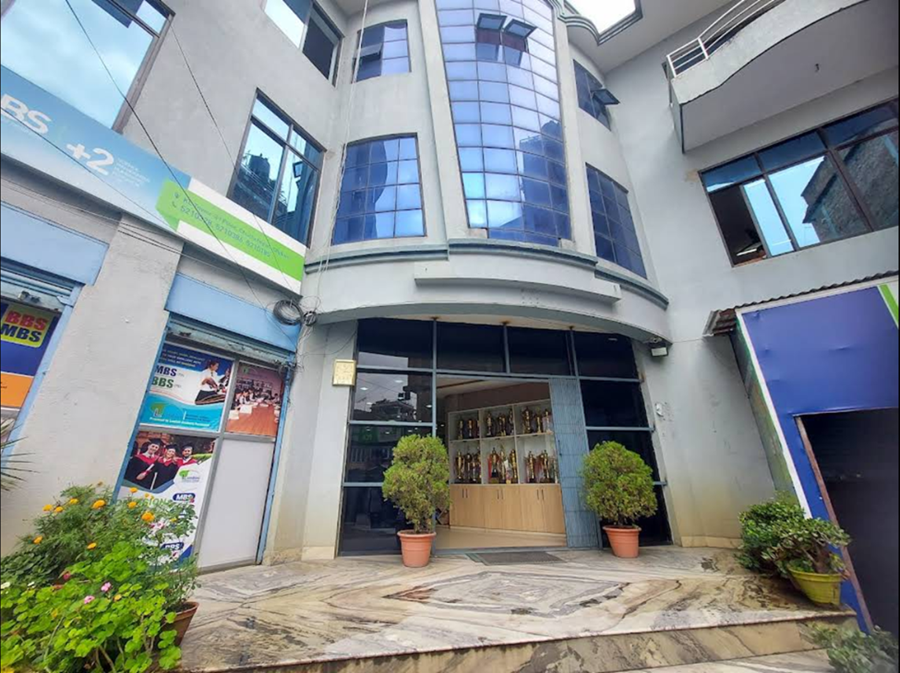
BCA at LAC starts with computer fundamentals, digital logic, mathematics, and English. The course then moves into C programming, data structures, algorithms, system analysis and design, Java (OOP and advanced), web technology, operating systems, numerical methods, scripting, and database management. Upper semesters add MIS and e-business, .NET, computer networking and network programming, graphics and animation, mobile programming, distributed systems, and cyber law with professional ethics. Multi-stage project work and an internship close the cycle.
Affiliation: Tribhuvan University (FoHSS). Syllabus and notices are published on FoHSS sites.
Duration/Credits: 4 years, 8 semesters, 126 credits.
Location: Chuchchepati, Chabahil, Kathmandu.
Origin: TU launched BCA from academic year 2074/75 under FoHSS.
Semester plan (TU FoHSS framework as followed by LAC):
Year-1 (S1–S2): Computer Fundamentals & Applications; Society & Technology; English I–II; Mathematics I–II; Digital Logic; C Programming; Financial Accounting; Microprocessor & Computer Architecture.
Year-2 (S3–S4): Data Structures & Algorithms; Probability & Statistics; System Analysis & Design; OOP in Java; Web Technology; Operating Systems; Numerical Methods; Software Engineering; Scripting Language; Database Management System; Project I.
Year-3 (S5–S6): MIS & E-Business; .NET Technology; Computer Networking; Introduction to Management; Computer Graphics & Animation; Mobile Programming; Distributed Systems; Applied Economics; Advanced Java; Network Programming; Project II.
Year-4 (S7–S8): Cyber Law & Professional Ethics; Internship; Operations Research; Project III; electives.
FoHSS hosts official BCA syllabus PDFs and semester documents; students should verify unit-wise outlines and any updates there while planning study.
Build sound fundamentals in programming, data handling, networking, and operating systems.
Help students read technical documentation, plan small builds, and explain choices in clear language.
Guide learners toward safe and responsible practice through cyber law and professional ethics.
Provide staged project experience and an internship that ties classroom learning to real tasks.
Graduates work in software development, QA and testing, database support, network administration, web and mobile app development, IT support for banks and service firms, education technology teams, and entry roles in government and development projects that require computing skills. Many students continue to master’s study in computing or information systems. Career outcomes depend on coursework depth, project quality, and consistent practice over eight semesters.
By the end of BCA at LAC, students should be able to:
Write, test, and debug programs in C, Java, and .NET stacks for typical tasks.
Use data structures and algorithms to solve routine problems with attention to time and space trade-offs.
Work with SQL databases for schema design, queries, and basic administration.
Configure basic networks and handle common troubleshooting steps.
Plan and document web or mobile features; explain API use and security basics in plain terms.
Follow ethical practice and local rules where computing services are used in Nepal.
Programming practice: C, Java (OOP and advanced), .NET; weekly labs and mini tasks.
Data and DBMS: Data structures, algorithms, database management, operations research basics.
Systems & Networks: OS, distributed systems, computer networking, network programming.
Web & Mobile: Web technology, scripting, graphics and animation, mobile programming.
Professional track: MIS & e-business, cyber law & ethics, project I–III, internship.
Classes typically combine lectures, guided problem-solving, code labs, and project supervision. Assessments follow TU’s semester system with internal work and end-semester exams. Students are expected to keep steady attendance, join lab work, and complete project milestones as advised by course teachers. FoHSS syllabus pages serve as the reference for learning goals and evaluation patterns.
Eligibility: 10+2 or equivalent with at least 45% or CGPA 1.8 (C), recognized by Tribhuvan University.
Entrance: TU FoHSS BCA entrance test; shortlisted candidates attend an interview at the college before the final list.
Where to apply: FoHSS entrance portal hosts the online application during the intake window; official BCA entrance notices are posted on FoHSS sites.
Documents (typical):
Recent photos; copy of citizenship (or passport for international applicants); academic transcripts and character certificate; migration for TU registration. Confirm the current checklist and dates with the LAC office and the FoHSS portal each cycle.
Entry roles often include junior software developer, QA/test trainee, web developer, mobile app trainee, database assistant, network support, and IT helpdesk. Banks, colleges, cooperatives, and local firms also hire for in-house tech support. Growth depends on code quality, version-control habits, documentation skills, and how well students present Project II/III or the internship in interviews.
Scholarship and fee-support provisions are set at the college level under TU rules. Ask the LAC office for the current policy, categories (merit/need), required documents, and deadlines. Keep copies of application forms and receipts for records and audit needs.
Clear TU structure: Eight-semester plan with official FoHSS syllabus PDFs and updates online.
Applied progression: Three staged projects plus an internship give space to build a code portfolio.
Relevant spread: Programming, databases, networks, OS, web/mobile, MIS, and cyber law for Nepal’s context.
Accessible campus: Chuchchepati–Chabahil location supports commuting learners from across the valley.
BCA at Lumbini Academic College offers a steady route into computing with a semester-wise path that builds from fundamentals to projects and internship. The program sits under TU FoHSS, so you can verify the syllabus and entrance timelines on official pages each year. Plan early, track the portal, and use Projects II and III to create a small, well-documented portfolio that shows your learning.
1) How long is the BCA at LAC and how many credits?
Four years, eight semesters, 126 credits.
2) Who conducts the entrance exam?
Tribhuvan University, Faculty of Humanities and Social Sciences; apply through the FoHSS entrance portal during the intake window.
3) What is the minimum eligibility?
10+2 or equivalent with at least 45% or CGPA 1.8 (C), recognized by TU.
4) Where can I see the official syllabus?
FoHSS downloads section hosts BCA syllabus documents; check the latest PDF before each semester.
5) What subjects will I study?
From C and Java to databases, OS, networks, web/mobile, MIS, and cyber law, finishing with Projects I–III and an internship.
6) Where is the college located?
Chuchchepati, Chabahil, Kathmandu.