BBA at Modern Nepal College, Sorhakhutte, Nayabazar, Kathmandu
The Bachelor of Business Administration (BBA) at Modern Nepal College (MNC), Sorhakhutte, Nayabazar, Kathmandu, offers an eight-semester management program under Tribhuvan University (TU).
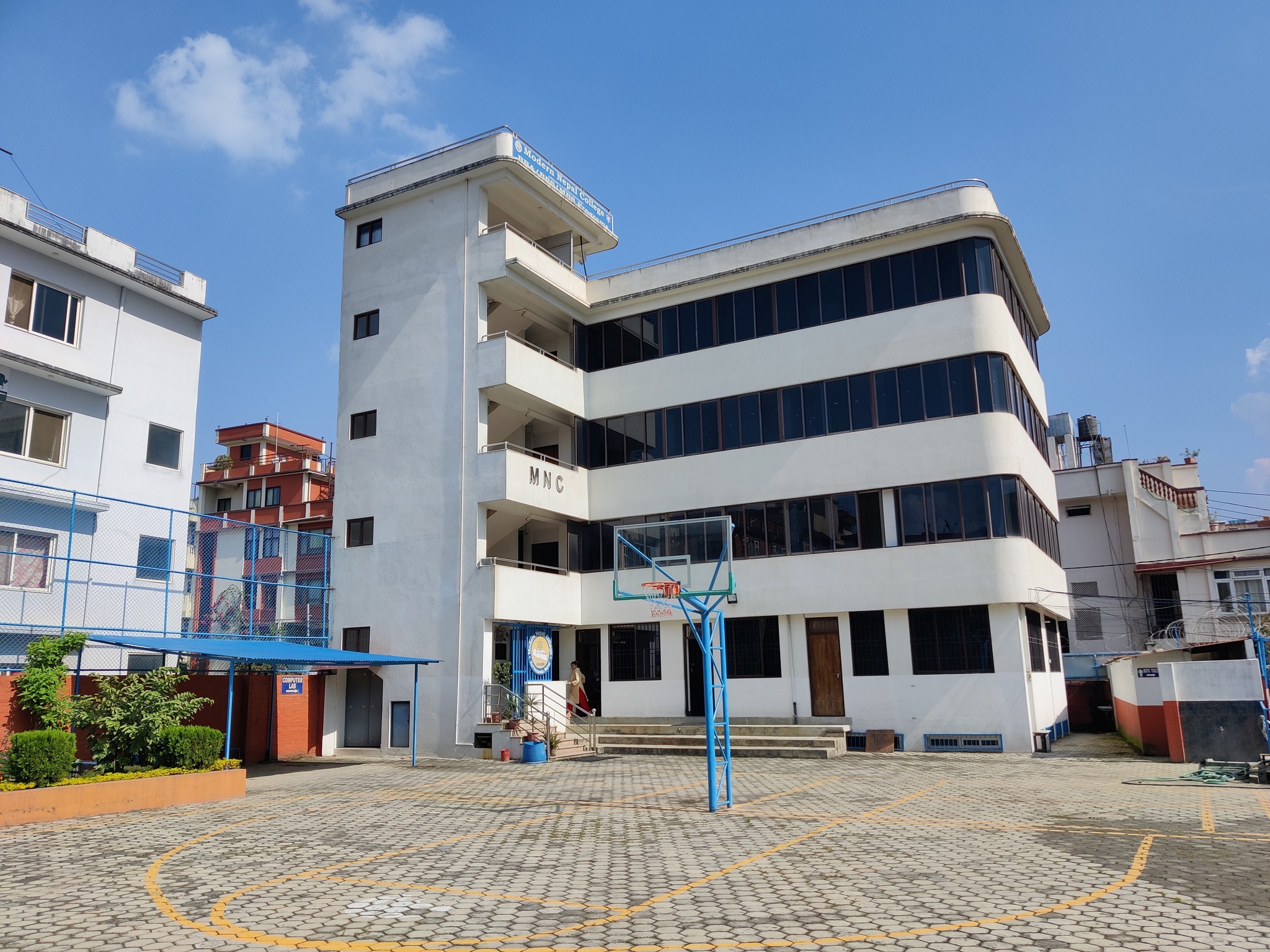
Introduction
MNC runs the BBA in a semester system that spans four academic years. Classes for BBA operate in the day shift, an approach that supports longer contact hours for case work, presentations, and lab use. The college is located in Sorhakhutte (Ward 16), Nayabazar, Kathmandu, and functions as a TU-affiliated institution focused on business and management studies.
Students follow TU’s BBA structure while engaging in MNC’s internal academic practices: regular internal tests, minimum attendance requirements, and semester-wise coursework that builds toward an internship in the final term. The program’s practical elements include a summer project and an eight-week internship in banks, industries, or business organizations, as listed in the college materials.
Highlights
-
Eight-semester, four-year BBA under Tribhuvan University.
-
Day shift timing for BBA: 11:00 am–4:30 pm (college schedule).
-
Mandatory internship in the 8th semester (8 weeks) and a summer project.
-
Attendance, internal tests, and internal examinations required to sit TU board exams.
-
Learning resources: library, Book Bank (textbook set for BBA), 1:1 computer lab with broadband.
-
Location and affiliation: Sorhakhutte, Nayabazar; TU-affiliated management college.
Curriculum Details
The BBA course cycle published by MNC sets out semester-wise subjects that reflect TU’s structure. Students complete foundation areas in the early semesters, develop analytical and functional strengths in the middle semesters, and take specialization subjects in the final year alongside the summer project and internship.
Semesters 1–2 (foundations and tools)
-
English I and II
-
Foundation of Business Management
-
Micro and Macro Economics for Business; seminar on contemporary macro issues
-
Business Mathematics I and II
-
IT and Applications; Database Management System
-
Financial Accounting (early accounting focus)
Semesters 3–4 (communication, law, people, markets, finance)
-
Business Communications; Business Statistics
-
Leadership and Organizational Behavior; seminar in leadership and OB
-
Legal Environment for Business in Nepal
-
HRM and Technology; Sociology for Business Management
-
Fundamentals of Marketing; Fundamentals of Finance
-
Cost and Management Accounting
Semesters 5–6 (research, operations, policy context, entrepreneurship)
-
Business Environment; Business Research Methods
-
Taxation and Auditing; Financial Markets and Services
-
Operations Management; Business Information System
-
Nepalese History and Politics; E-Commerce
-
Entrepreneurship and Business Resource Mapping; practicum on business plan
Semesters 7–8 (specializations, ethics, strategy, internship)
-
Three specialization courses in the 7th semester
-
Three specialization courses in the 8th semester
-
Business Ethics and Corporate Governance
-
Strategic Management
-
Summer Project (pre-internship practice)
-
Internship (8th semester, 8 weeks)
Students also join study tours, industrial visits, and short field exposure activities. These experiences connect classroom learning with work settings and community context.
Objectives
-
Build a solid grounding in core business functions—accounting, finance, marketing, human resources, and operations—through a progressive semester plan.
-
Develop research and analytical habits through business research methods, project work, and semester assessments.
-
Encourage ethical judgment, team communication, and strategic thinking before graduation.
-
Provide practical exposure via summer project, internship, and field activities.
Scope
The BBA opens pathways to roles in banking, insurance, trading firms, manufacturing, hospitality, NGOs/INGOs, and public organizations that use formal management systems. The curriculum’s range—from cost accounting to business information systems and financial markets—lets students link classroom concepts with Nepali workplaces that rely on structured processes and documentation. Course titles such as “Taxation and Auditing,” “Operations Management,” and “Business Environment” mirror the needs of employers who value clarity in compliance, efficiency, and reporting.
Learning Outcomes
Students who complete the BBA at MNC will be able to:
-
Interpret financial statements and basic budgets, and explain cost behavior in short analytical notes (drawn from financial accounting and cost/management accounting).
-
Outline the steps of a research process, frame a simple problem statement, and choose a survey or interview tool for a small project.
-
Compare market structures and design a basic plan for pricing or promotion using the fundamentals of marketing and managerial economics covered earlier.
-
Summarize a case on leadership or organizational behavior and present a short reflection on team dynamics.
-
Apply basic legal and taxation ideas to classroom cases and document the reasoning clearly.
-
Draft a concise business plan and convert it into a field-based internship report with verified references.
Skill Development Modules
The course cycle builds skills step by step:
-
Quantitative reasoning and IT: Business Mathematics I–II, Business Statistics, IT & Applications, Database Management System.
-
Communication and teamwork: Business Communications; seminars in leadership and OB; class presentations and case analysis (as reflected in college activities).
-
Applied finance and accounting: Fundamentals of Finance; Financial Markets and Services; Cost and Management Accounting; Taxation and Auditing.
-
Enterprise and strategy: Entrepreneurship and resource mapping; Business Ethics and Corporate Governance; Strategic Management.
Students strengthen these skills using MNC’s learning aids—multimedia projection, library access, Book Bank, and a one-to-one computer lab with internet service.
Teaching Methodology
Teaching at MNC combines lectures with continuous assessments and structured practice. Students take class tests and term tests, maintain the required attendance to remain exam-eligible, and complete semester deliverables such as reports, presentations, and the summer project. The program integrates industry exposure through tours and the mandatory internship in the last semester.
The academic calendar includes seminars, case analysis, business simulation training, and project presentations. These activities train students to handle data, explain decisions in writing, and defend ideas in short talks—skills that matter in Nepali workplaces and graduate studies.
Admission Requirements
Eligibility: Applicants must have completed 10+2 or equivalent, securing at least a D grade in each subject with a minimum CGPA of 1.8 (as per TU standard used by the college).
Entrance test: TU’s CMAT covers five areas: Quantitative Ability, Verbal Ability, General Awareness, Logical Reasoning, and Business & Economics. Shortlisted students attend an interview at the college.
Class timing: BBA runs in the day shift, generally 11:00 am–4:30 pm. Students should confirm the exact timetable during admission.
Documents and process: Applicants typically submit the filled form, academic transcripts, migration/character certificates, photos, and any scholarship-related proofs, followed by entrance, interview, merit list, and seat confirmation in the announced window. (Follow the current intake notice for dates.)
Career Opportunities
Graduates enter entry-level roles across banking and financial services, trading and distribution, hospitality, manufacturing, and development sectors. Course components in accounting, finance, marketing, information systems, and taxation create a base for roles such as junior analyst, accounting assistant, sales/relationship officer, operations associate, or administrative coordinator. The internship and the business plan practicum help students gather real evidence of fieldwork that can be referenced in interviews and applications.
Scholarships and Financial Aid
The college lists two published categories of support in the prospectus:
-
TU Special Scholarship (BBA): Available for graduates from government/community schools/colleges, as per TU and college provisions. Applicants should verify current seats and exact criteria each intake.
-
TU Board Topper Scholarship: One semester of full tuition waiver for TU Board Toppers, shared equally if there are multiple recipients.
Students also benefit from the Book Bank, which provides a set of textbooks to BBA students, reducing out-of-pocket costs for core materials.
Why Choose BBA Program?
-
The BBA structure at MNC presents a clear path from foundations to specialization and internship. Students know the sequence in advance, so planning study routines becomes easier.
-
The day-shift schedule gives sustained contact time for seminars and lab-based tasks.
-
The college documents internal rules—attendance, tests, internal exams—that help students maintain steady progress and remain board-eligible.
-
Field exposure through tours, summer projects, and the internship supports evidence-based learning.
-
Study resources—library, Book Bank, and a one-to-one computer lab with broadband—are available on campus.
Conclusion
The BBA at Modern Nepal College follows TU’s semester framework and blends classroom learning with field practice. Students who keep to the attendance rule, engage with internal tests, and complete the summer project and internship build a strong base for early employment or further study. Prospective applicants should review the current intake notice for dates, documents, scholarship slots, and any policy updates for this cycle.
FAQ
1) How long is the BBA at MNC?
Eight semesters across four academic years under TU.
2) What is the class timing for BBA?
Day shift, generally 11:00 am–4:30 pm. Confirm the detailed timetable at admission.
3) Is the internship compulsory?
Yes. The internship in the 8th semester spans eight weeks in a bank, industry, or business organization.
4) What is the minimum attendance requirement?
Students must meet the attendance rule and pass internal examinations to remain eligible for TU boards.
5) What are the entrance requirements?
10+2 or equivalent with at least D in each subject and CGPA 1.8, plus TU’s CMAT and an interview for shortlisted candidates.
6) Does MNC offer a Book Bank for BBA?
Yes. The college provides a set of textbooks for BBA students.
7) Are scholarships available for BBA?
Yes. The TU Special Scholarship for government/community school/college graduates and a one-semester waiver for TU Board Toppers are listed. Check the current notice for criteria and quotas.
8) What kinds of field activities are included?
Study tours, industrial visits, seminars, and business simulation sessions appear in the college materials.