Plus Two (+2) Humanities at National Integrated College (NIC), Maharajgunj, Kathmandu follows the National Examination Board (NEB) curriculum.
The stream supports language, social science, and creative studies that lead to BA, BASW, BSW, BCA (when prerequisites fit), and other bachelor options.
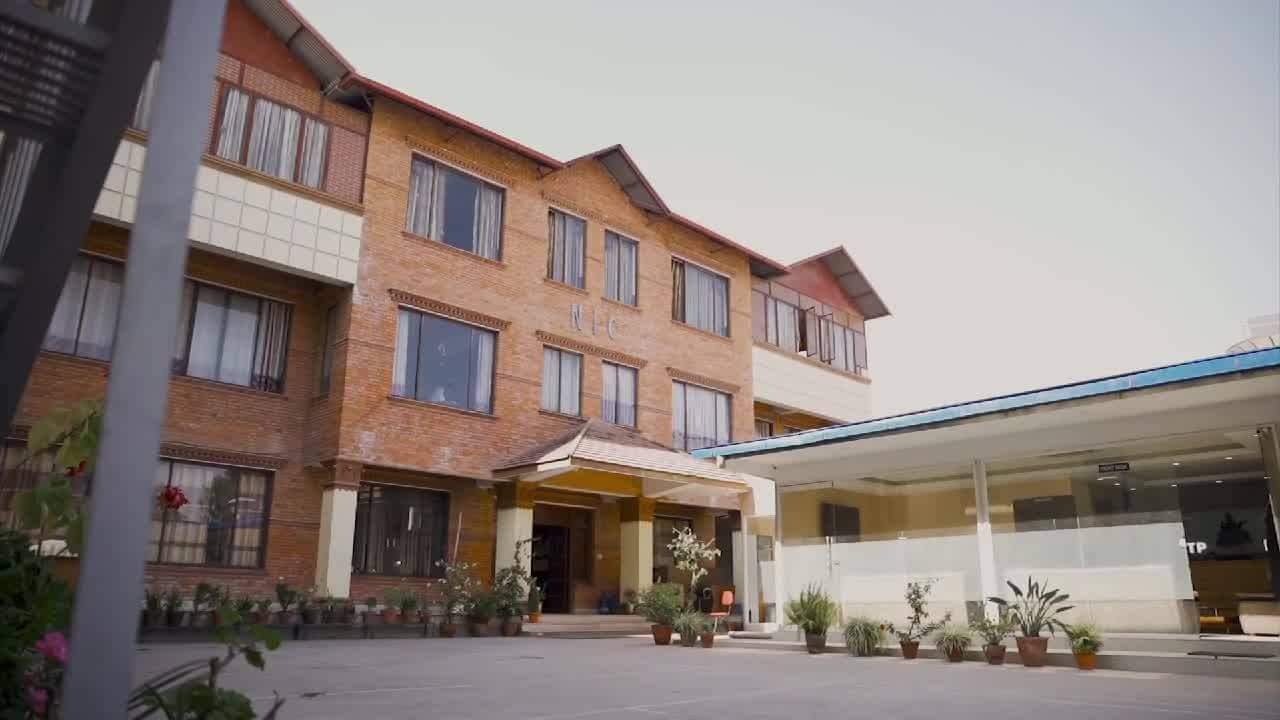
NIC conducts +2 Humanities as a two-year program for Grade 11 and 12. The stream builds core writing, research, and analysis skills. Classes run under NEB rules with internal assessment, practical components where applicable, and final board examinations.
NEB affiliation and two academic years (Grade 11 and 12)
Language, social science, and optional subjects curated from the NEB basket
Regular unit tests, terminals, and short projects to track progress
Access to library/E-library, counseling, and activity calendars
NEB specifies the subject framework. NIC announces the annual combination during admissions.
Compulsory: English, Nepali
Core Group: two to three subjects selected from Sociology, Psychology, Rural Development, Economics, Mass Communication/Journalism, Political Science, History, Geography, Culture, or Population Studies (as available)
Cross-cutting: Social Studies and Life Skills Education per NEB guideline
Sociology introduces social structure, culture, and change. Psychology covers basic cognitive and developmental ideas with simple practicals. Economics builds demand–supply reasoning and national income basics. Mass Communication/Journalism introduces reporting, editing, and media ethics. Geography or History adds spatial or historical understanding that strengthens reading and data use.
Build strong language skills for academic reading and precise writing
Develop curiosity about society, economy, media, and governance
Strengthen basic research habits through mini-surveys and document study
Help you select an informed bachelor pathway after Grade 12
Students move to BA, BASW/BSW, BCA (after meeting math/entrance criteria), BBS, media studies, and language-focused degrees. The stream also supports entrance preparation for programs that value reading and reasoning skills.
Write short essays and reports with clear structure and citation basics
Read data tables, summarize arguments, and present viewpoints politely
Use basic research tools such as questionnaires, observation notes, and interview guides
Build a simple portfolio that includes articles, field notes, and presentations
Academic Writing: paragraphing, summaries, references, and error checks
Presentation: slide organization, voice control, and discussion leadership
Research Basics: mini-survey design, field notes, and simple charts
Media & Communication: news writing fundamentals and ethical reflection
Study Skills: past papers, revision plans, and time blocks
NIC blends lectures, tutorials, group tasks, and periodic tests. Teachers assign small projects such as community profiles, media diaries, or issue-based presentations. The library supports wide reading; counseling helps you plan subjects and bachelor targets.
Applicants must have completed SEE or equivalent under NEB. Admission follows application review, counseling, and document verification. Required documents usually include mark sheets, character/transfer certificate, a citizenship or passport copy (as applicable), and recent photographs. Subject combinations are confirmed during seat allocation.
Writing, editing, and content support roles while studying further
Community outreach, program assistant, or documentation roles in local projects
Junior positions in media houses, schools, or NGOs after bachelor-level study
NIC indicates merit- and need-based categories. Seat numbers, criteria, and renewal rules vary by session. You should request the current scholarship notice and timelines during counseling.
Language and social science foundation that supports many bachelor tracks
Practical assignments that connect reading and writing to real issues
Steady assessment cycle that helps you prepare for NEB examinations
+2 Humanities at NIC offers a balanced route for students who enjoy languages, society, media, and policy studies. Careful subject selection, regular writing practice, and timely use of campus resources create a strong base for BA, BASW/BSW, media, or management-linked degrees.