



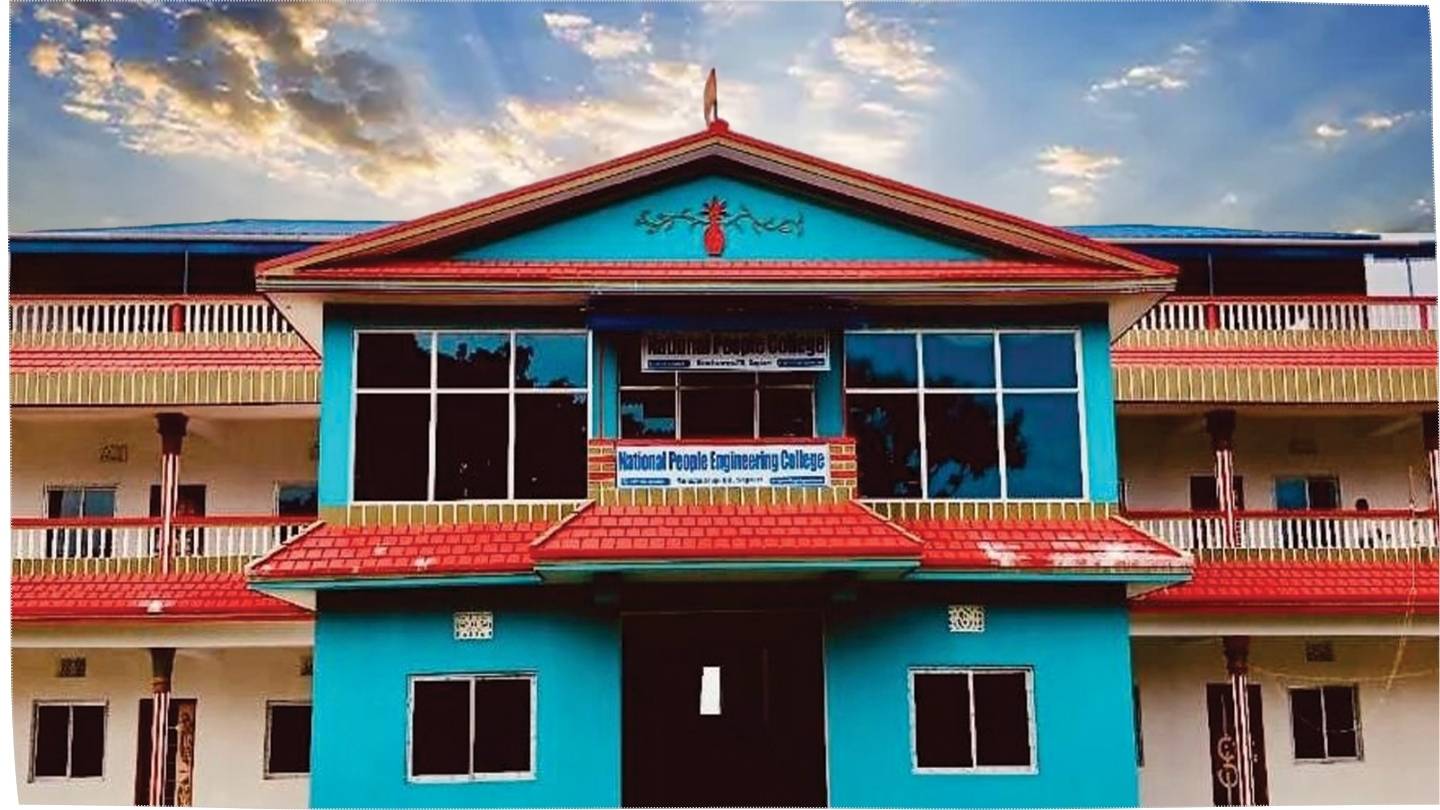
The BSW at National People College aligns with Tribhuvan University guidelines and combines classroom study with field practice.
It suits students who want formal training in community engagement, case documentation, and social policy basics.
The course builds habits of accurate note-taking, ethical conduct during field visits, and clear communication with supervisors and beneficiary groups.
Entry: As per TU criteria for 10+2/NEB or equivalent with required minimum marks.
Duration: As set by TU for the BSW program.
Core study: Human behavior and the social environment, social policy, community organization, social research, development communication, and basics of counseling and group work.
Fieldwork: Supervised placement in social service settings as per TU norms and NPC’s coordination with local organizations.
Documentation: Case reports, daily logs, field diaries, and reflection notes reviewed by field supervisors and faculty.
NPC schedules orientation on field ethics, safety, and consent. Students learn to write clear reports, use simple data tools for beneficiary records, and prepare presentations for review.
Internal assessment covers participation, assignments, field reports, and presentations.
Final examinations follow TU rules. Regular seminars bring in practitioners from NGOs, hospitals, or municipal units to explain procedures for referrals, coordination with local offices, and reporting formats.
BSW graduates work in NGOs, community projects, child and youth programs, public health outreach, and local development offices.
Many continue to MA/MSW and related fields such as public health, counseling, or development studies.
The degree builds steady habits: punctuality during visits, respectful interaction, and accurate documentation—skills valued across social sector roles.
Application, interview or orientation (if scheduled), and placement mapping follow college notices under TU policy. Students should be ready for regular field hours and the time needed for report writing across the term.






