



Pre-Diploma in Civil Engineering (Civil Sub-Overseer) at Pokhara Engineering College is an 18-month technical program under the Council for Technical Education and Vocational Training (CTEVT). The program has 40 seats at PEC.
The course is structured around the work performed by a Civil Sub-Overseer in construction-related settings. Its academic areas include construction materials and technology, engineering drawing, surveying, estimating and costing, supervision, roads and trail bridges, water supply, sanitation, irrigation, computer-aided drafting, workshop practice, and entrepreneurship development.
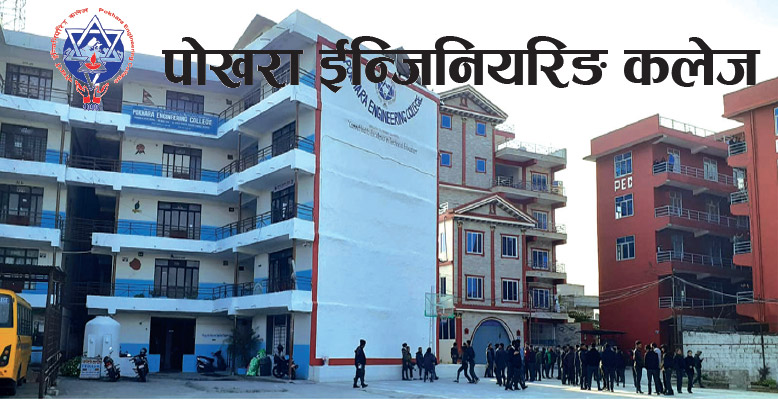
| Particular | Details |
|---|---|
| Course | Pre-Diploma in Civil Engineering |
| Occupational Title | Civil Sub-Overseer |
| College | Pokhara Engineering College |
| Affiliation | CTEVT |
| Level | Pre-Diploma |
| Duration | 18 Months |
| In-House Training | 1 Year |
| On-the-Job Training | 6 Months |
| Seats | 40 |
| Location | Pokhara, Nepal |
The 18-month structure consists of one year of in-house training followed by six months of On-the-Job Training (OJT). The OJT takes place after completion of the yearly final examination and is intended to apply the skills and knowledge gained during institutional training in a formal work setting.
Applicants must meet the following requirements:
pass SEE with a minimum GPA of 1.6; and
pass the entrance examination administered by CTEVT.
The course is therefore positioned as an early technical education pathway into civil construction-related study.
Pre-Diploma in Civil Engineering runs for 18 months.
The first year consists of institutional training in technical and supporting subjects. The following six months are assigned to On-the-Job Training.
This arrangement gives students two distinct learning settings. The in-house stage covers civil engineering concepts and practical exercises, while the OJT stage places students in a formal work environment where previously learned knowledge and skills are applied.
The curriculum contains ten institutional subjects followed by the six-month OJT.
| Subject | Nature | Full Marks |
|---|---|---|
| Computer Aided Drafting | Practical | 50 |
| Construction Materials | Theory | 50 |
| Construction Technology | Theory + Practical | 150 |
| Engineering Drawing | Practical | 100 |
| Engineering Surveying | Theory + Practical | 150 |
| Entrepreneurship Development | Theory + Practical | 50 |
| Estimating, Costing & Supervision | Theory + Practical | 100 |
| Road & Trail Bridge | Theory + Practical | 100 |
| Water Supply, Sanitary and Irrigation Engineering | Theory + Practical | 100 |
| Workshop Practice | Practical | 150 |
| On-The-Job Training | 6 Months | 500 |
The structure places considerable emphasis on practical and combined theory-practical study. Computer Aided Drafting, Engineering Drawing, and Workshop Practice are practical subjects, while Construction Technology, Engineering Surveying, Estimating, Costing & Supervision, Road & Trail Bridge, and Water Supply, Sanitary and Irrigation Engineering combine theory with practical work.
Construction Technology and Construction Materials form part of the core technical study.
Construction Materials introduces the materials side of civil construction, while Construction Technology combines classroom and practical work. The program's stated occupational focus also includes the technology of building construction.
These subjects are studied alongside drawing, surveying, estimating, supervision, and workshop practice rather than as isolated construction topics.
Surveying and drawing are prominent parts of the course.
Engineering Surveying carries both theory and practical components. Engineering Drawing is taught as a practical subject, while Computer Aided Drafting introduces computer-based drafting within the curriculum.
Together, these areas support the measurement, representation, and technical documentation aspects of civil construction study.
Estimating, Costing & Supervision is included as a combined theory and practical subject.
Its inclusion connects the course with the measurement, costing, and supervision components associated with construction work. This subject sits alongside Construction Technology, Surveying, and Engineering Drawing within the training structure.
The curriculum extends beyond building-related study.
Road & Trail Bridge is included as a separate theory-practical subject. Students also study Water Supply, Sanitary and Irrigation Engineering.
These subjects correspond with the program's stated focus on construction engineering, water supply and irrigation, sanitation, roads, and trail bridges.
Workshop Practice is a fully practical component of the institutional training.
It carries one of the larger practical allocations in the curriculum and gives students structured hands-on activity before the six-month OJT period.
The combination of workshop practice and OJT gives practical learning a defined place in both the institutional and workplace stages of the program.
The final six months are devoted to On-the-Job Training.
OJT begins after the yearly final examination. It is intended to give students an opportunity to apply learned skills and knowledge in a formal work setting and to create a connection between technical training and employers.
The OJT component carries 500 full marks.
Pokhara Engineering College has engineering laboratory facilities that support practical study. The college library contains more than 14,000 books, including textbooks, reference materials, and technical journals, along with digital library resources.
PEC also provides a 35 Mbps broadband leased line and Wi-Fi zones. These facilities support technical reading, drafting-related study, coursework, and other academic activities connected with the program.
Pre-Diploma in Civil Engineering may suit students who have completed SEE, meet the stated GPA and entrance requirements, and want a technical course focused on construction-related skills.
Students should expect substantial practical work. The curriculum includes surveying, drawing, computer-aided drafting, workshop practice, construction technology, estimating and supervision, roads and trail bridges, water supply, sanitation, irrigation, and six months of workplace training.
The course is distinct from the three-year Diploma in Civil Engineering offered at PEC. Students comparing the two pathways should consider their academic level, duration, and training structure.
The program lasts 18 months. It consists of one year of in-house training followed by six months of On-the-Job Training.
Pokhara Engineering College has 40 seats for Pre-Diploma in Civil Engineering (Civil Sub-Overseer).
Applicants must have passed SEE with a minimum GPA of 1.6 and must pass the entrance examination administered by CTEVT.
Yes. Several subjects contain practical components, while Computer Aided Drafting, Engineering Drawing, and Workshop Practice are practical subjects. The course also includes six months of On-the-Job Training.
Yes. Engineering Surveying is included as a theory and practical subject.
Yes. Computer Aided Drafting is included as a practical subject in the curriculum.
The program covers construction technology, construction materials, surveying, engineering drawing, estimating and costing, supervision, roads and trail bridges, water supply, sanitation, irrigation, and workshop practice.
The six-month On-the-Job Training takes place after completion of the yearly final examination.






