BASW at Premier College, Kathmandu is a four-year undergraduate program under Tribhuvan University (TU), Faculty of Humanities and Social Sciences.
The course runs from the Aloknagar/Tinkune campus in New Baneshwor and follows TU’s national framework for social work education.
You study generalist practice, human behavior in social context, social policy, research, academic writing, and supervised fieldwork that connects theory to real communities.
Affiliation: Tribhuvan University, Faculty of Humanities and Social Sciences
Duration and mode: Four academic years, semester/annual structure as per TU rollout
Core features: Classroom learning, compulsory fieldwork, research methods, academic/report writing
Field engagement: Supervised placement hours at recognized agencies, with campus support for coordination
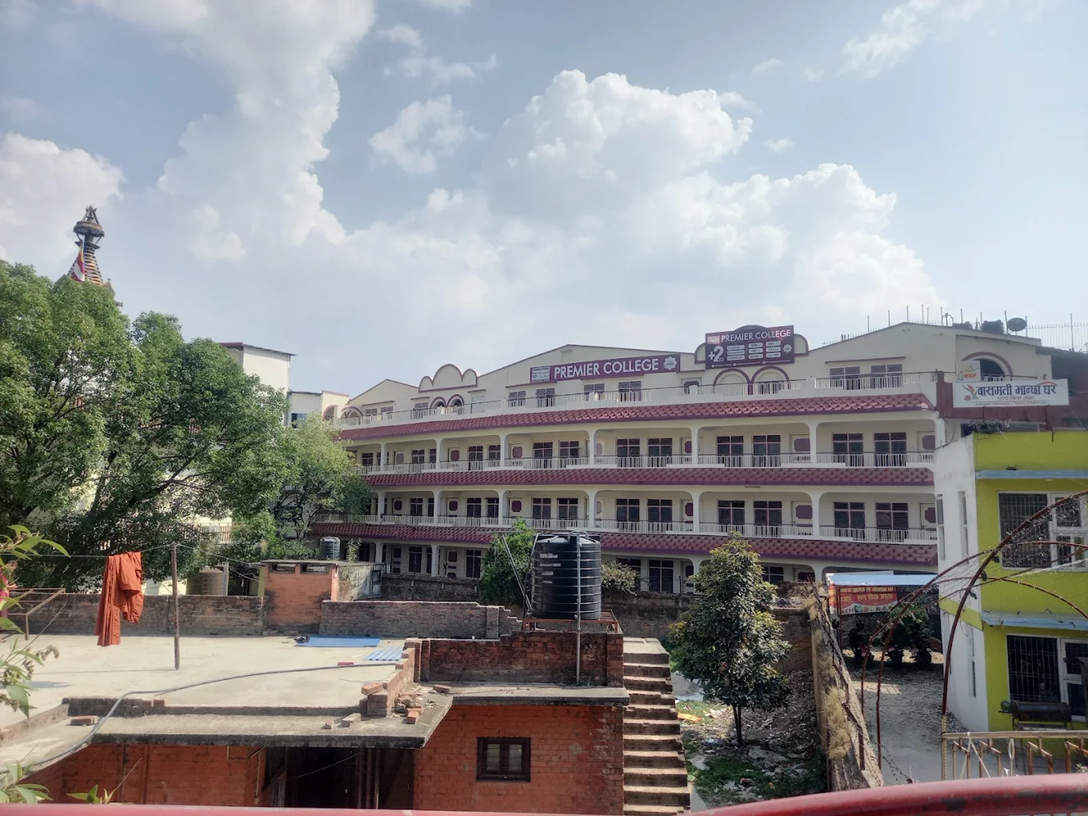
Location: Aloknagar (Bagmati Corridor), Tinkune, Kathmandu
TU frames BASW as a generalist social work degree for Nepal. Students cover foundations of social work, methods of practice (case work, group work, community organization), human behavior and social environment, Nepal studies, social policy and welfare administration, communication, and research methodology.
Academic writing and report writing are built into the sequence so you learn to document cases and projects clearly. Colleges deliver the curriculum under TU oversight and assess field performance alongside written work.
Premier runs the BASW within this framework. The campus schedules classes, internal assessments, and agency visits. TU conducts the final examinations and sets the minimum standards for passing, progression, and graduation across all BASW colleges.
Build sound knowledge of social work values, ethics, and Nepal’s legal and policy context.
Develop practice skills for case management, group facilitation, and community mobilization.
Strengthen your capacity to assess needs, plan services, and write clear reports.
Introduce basic research so you can collect data, analyze findings, and present evidence for action.
BASW prepares students for entry-level roles in social service agencies, NGOs, INGOs, community health projects, child protection, disability services, education support, and local government programs.
Graduates also apply to master’s pathways such as MSW/MA in Social Work, development studies, gender studies, or public health, depending on eligibility and each university’s rules.
The generalist base suits diversified community work in Nepal’s municipalities and rural municipalities.
Understand and apply social work principles in Nepal’s cultural and policy settings.
Use interviewing, assessment, and case recording to support individuals and families.
Facilitate small groups and plan community activities with local stakeholders.
Read policies and program guidelines and translate them into action steps.
Collect field data, maintain records, and write concise reports for supervisors and donors.
Reflect on practice through supervision, feedback, and portfolio building.
Practice methods: case work, group work, community organization
Human behavior and social environment: lifespan and systems perspectives
Social policy and administration: welfare programs, governance, and rights
Communication: academic writing, record-keeping, and presentation skills
Research: basics of design, tools, ethics, data handling, and analysis
Field learning: agency orientation, role clarity, supervision, and reflection logs
Premier College follows TU’s BASW framework and uses classes, guided discussions, seminars, and structured assignments. Teachers introduce cases from Nepali settings so you connect course ideas to local realities.
Field instructors and faculty supervisors review plans before agency visits and give feedback on logs, case notes, and final reports. Campus notices outline calendars for submissions, presentations, and examinations.
Students complete supervised field engagement in approved organizations. Activities typically include client intake, observation, assistance in community outreach, and participation in awareness sessions.
Premier coordinates agency links and supervision, while TU rules set the minimum expectations for placement and documentation.
Some public overviews mention a 250-hour figure for structured field exposure across the program; actual scheduling follows the college calendar and the partner agency’s plan.
Qualification: 10+2, PCL, or equivalent from a recognized board or university
Minimum performance: follow TU’s prevailing criteria for BA/BASW intake at affiliated campuses
Documents: mark sheets/transcripts, character certificate, recent photos, ID, and any college forms
Process: submit the application within the intake window; complete any orientation or interview steps if called by the campus office
Community/social mobilizer in municipalities, NGOs, or development projects
Program assistant in health, education, disability, or child protection initiatives
Case and documentation support in shelters, rehabilitation centers, and outreach programs
School and college counseling support roles under supervision
Monitoring and field data roles in research or evaluation units
A common early path looks like this. You finish the BASW, compile your best reports and field logs into a portfolio, and apply to an NGO project where community visits, session planning, and data entry are part of daily work.
You add short training in safeguarding or psychosocial first aid, then decide on MSW or a policy-focused master’s based on your field interests.
Premier announces scholarship information during admission cycles. Students can apply under merit-linked, entrance-linked, or need-linked categories when such schemes are published for the year. Always keep SEE/+2 mark sheets and identity documents ready, since timelines are tight at the start of term.
TU-recognized BASW with a clear focus on generalist social work for Nepal
Structured field engagement that turns classroom concepts into practical skills
Strong emphasis on writing, documentation, and research basics that employers expect
Kathmandu location with access to a range of social service agencies for placement
BASW at Premier College, Kathmandu offers a realistic starting point for students who want to work with people and communities in Nepal. The TU framework ensures common standards, while the campus coordinates the day-to-day teaching and field supervision. If this path matches your goals, prepare your documents early, study the calendar, and plan steady progress in both classes and fieldwork so your final portfolio shows growth and readiness for the next step.