The Diploma in Civil Engineering at SAMP prepares mid-level technicians for construction sites, survey work, drafting, and materials testing. The course uses the CTEVT syllabus and aligns training with practical tasks found in local projects and municipal offices.
The diploma runs for three academic years. Eligibility and entrance follow the CTEVT admission schedule. SAMP announces applications, verification, and orientation dates.
Students study Engineering Drawing and CAD, Surveying, Construction Materials, Concrete and Soil Technology, Hydraulics, Highway basics, Estimation and Costing, and Construction Management basics.
Practical sessions include leveling, traversing, setting out, material sampling, mix design concepts in line with the syllabus, and quantity take-offs.
SAMP maintains drawing spaces, a CAD lab, and materials testing setups per course needs. Students practice surveying with standard instruments and prepare field books.
They learn to read working drawings, measure quantities, and prepare simple estimates.
Evaluation includes internal tests, practical exams, viva, project work, and CTEVT board examinations. Learners submit drawings, lab records, and field books for review.
Graduates can read drawings, prepare basic site documentation, assist in surveying, test common materials, and support estimation tasks.
They understand worksite safety rules and reporting formats used by contractors and local bodies.
Diploma holders work as site overseers, quantity assistants, survey crew members, or drafting technicians. Some pursue bachelor-level engineering through the routes available under national rules.
Admission follows CTEVT merit and quotas. SAMP communicates scholarship or concession information, if available, through notices.
Applicants should submit complete files and keep copies of all records.
Learners gain steady practice in drawing, surveying, and materials testing, supported by simple, reliable routines.
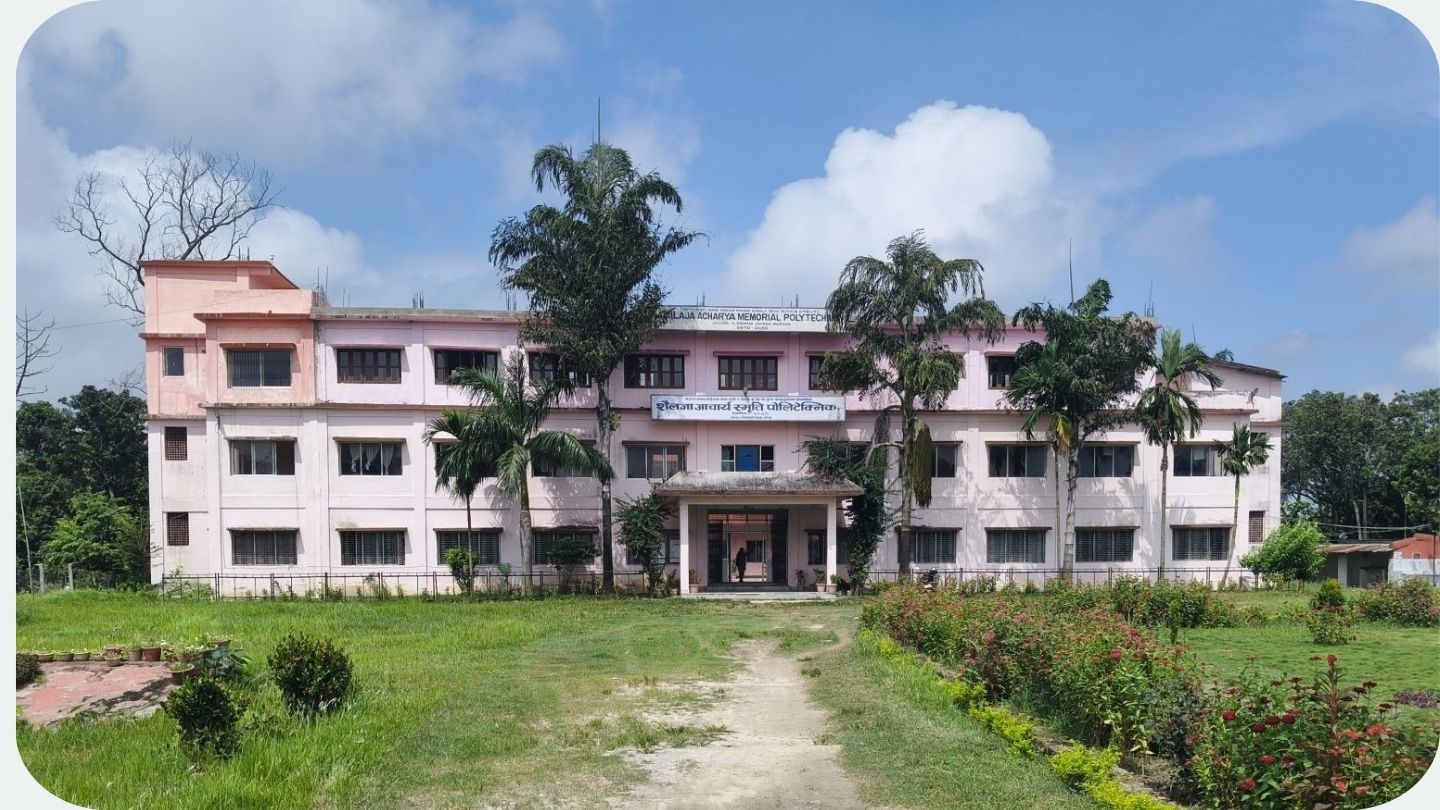
The institute’s placement in Morang eases access to field tasks within reachable project areas