



BPsych at Samriddhi College, Lokanthali Bhaktapur (Tribhuvan University affiliation), gives you a clear pathway into psychology in Nepal.
You study human behavior, cognition, and support skills that apply in schools, NGOs, rehabilitation centers, and workplaces. We structure learning across eight semesters with classroom study, guided practice, and field touchpoints.
You build confidence through short assignments, supervised observations, and simple research tasks that match TU expectations.
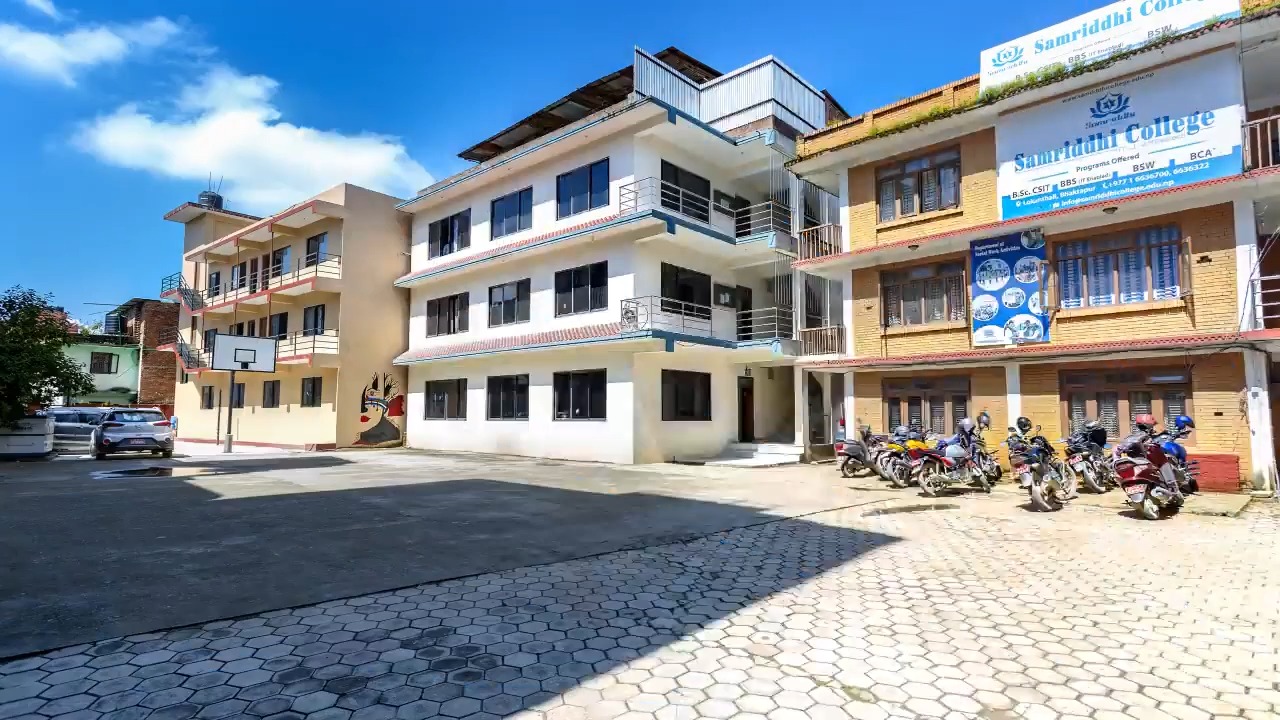
Duration: 4 years (8 semesters under TU)
Intake: announced by the college each cycle
Typical timing pattern: classes around 6:30 AM–11:00 AM on teaching days; practicals or visits as scheduled
Field touchpoints: supervised organizational visits, assisted counseling practice, and mini research tasks
Affiliation: Tribhuvan University
You begin with General Psychology, Developmental Psychology, and Social Psychology. We then add Counseling Psychology, Abnormal Psychology, Research Methods, and Psychological Testing. Practical work includes intake-note writing, interview simulations, observation logs, and basic test orientation under faculty oversight.
You learn ethics, confidentiality, referral steps, and record-keeping used by schools and community programs in Nepal. Short research assignments help you plan questionnaires, collect data, and present findings with simple charts.
Help you link psychological theories to daily life in Nepal
Guide you to recognize common psychosocial issues and choose safe referral steps
Build your interviewing, note-taking, and group facilitation skills under supervision
Strengthen your ability to read summaries of research and extract what matters
Improve how you communicate results to teachers, parents, and agency staff
You enter support roles in school counseling units, youth programs, rehabilitation services, NGOs, and HR teams. We prepare you for entry tasks such as psycho-education sessions, case documentation, and data support. Clinical or advanced counseling practice requires postgraduate study; we advise you early so you can plan the next step.
By the end of the course, you can:
Explain cognitive, behavioral, and social perspectives with local examples
Prepare intake and progress notes that respect ethics and privacy
Administer basic screening tools under guidance and state limits clearly
Plan and deliver short psycho-education activities for schools or youth groups
Collect, enter, and summarize small data sets in Excel or SPSS basics
Work within supervision, keep boundaries, and collaborate with teams
Interviewing and active listening you can apply in classrooms and clinics
Group facilitation and psycho-education planning with age-appropriate materials
Psychological test orientation, form handling, and secure storage of records
Report writing, poster briefs, and concise slide decks for review meetings
Statistics fundamentals: frequency tables, charts, averages, and simple correlations
Literature scans and citation basics to support assignments and proposals
We combine short lectures, case vignettes, role-plays, and guided practice. You keep reflection logs after visits to schools or partner organizations so learning connects to real work. Faculty and supervisors give written feedback on ethics, documentation quality, and interaction style. Guest sessions introduce common procedures used by Nepali agencies, including referral notes, safeguarding steps, and multi-disciplinary meetings.
Qualification: +2/Intermediate/PCL or equivalent from a recognized board with at least 45% and D+ in all subjects
Stream: open to Science, Management, Humanities, or Education backgrounds
Selection: college interview; entrance test not typically required for BPsych as communicated by the college
Documents: SEE and +2 credentials, migration certificate, citizenship/ID, recent photos
You start as School Support Assistant, NGO Program Assistant, Rehabilitation Support Worker, HR Assistant, Research Assistant, or outreach staff in community projects.
A common early assignment asks you to run classroom awareness sessions, keep records, follow up on referrals, and prepare one-page summaries for supervisors. Growth depends on supervised practice, short skills courses, and a relevant Master’s degree for specialized roles.
We offer merit-linked support in the first year as per college policy; continuation follows academic performance. Government or need-based options may apply under rules and available seats.
You remain responsible for TU registration and examination fees, the college’s internal examination fee per term, TU service charges, and costs related to field visits or placements.
You study core psychology while practicing in real settings. We support you with supervision, feedback, and structured tasks so your notes, presentations, and small data work meet the needs of schools and agencies.
The TU framework keeps assessment transparent, and our field links help you see how classroom ideas turn into daily routines.
BPsych at Samriddhi College offers you a steady route into psychology-related service in Nepal. We focus on ethics, documentation, supervised practice, and simple research so you leave with credible skills for entry roles and a clear plan for postgraduate progression.






