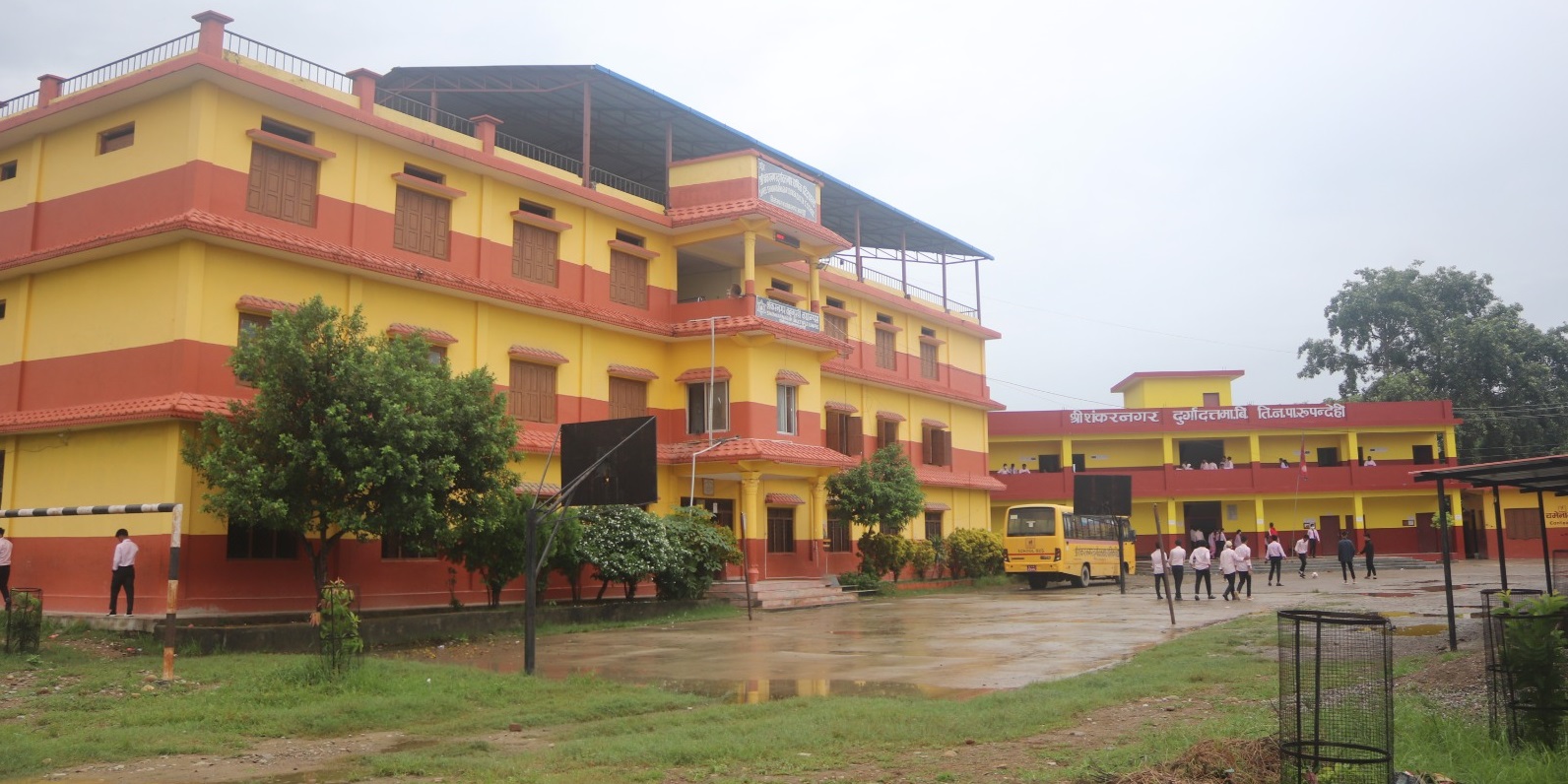
Ten Plus Two (+2) Education at Shankarnagar Multiple Campus is a two-year higher secondary program offered under the National Examinations Board (NEB). The program is run in the morning shift at the campus in Tillottama Municipality-2, Shankarnagar, Rupandehi, within the same academic setting that supports the campus’s +2 and bachelor-level classes.
The course introduces students to the meaning, functions, and development of education, along with curriculum, educational administration, guidance and counseling, and education-related perspectives in Nepal. At this campus, the program is delivered with support from experienced teachers, multimedia-based teaching, library and e-library facilities, scholarships, transportation, and a structured academic routine.
Course: Ten Plus Two (+2) Education
College: Shankarnagar Multiple Campus
Affiliation: National Examinations Board (NEB)
Duration: Two years
Academic level: Class 11 and Class 12
Study mode: Full-time
Class shift: Morning
Location: Tillottama Municipality-2, Shankarnagar, Rupandehi, Lumbini Province, Nepal
Campus support: Library, e-library, scholarships, transportation, and sports activities
Teaching support: Experienced teachers and multimedia-based teaching
Medium mentioned by campus: English and Nepali
The +2 Education program follows the NEB framework for Class 11 and Class 12. It introduces students to educational background, the purpose and functions of education, curriculum, educational administration, guidance and counseling, and trends in education.
Duration: 2 years full-time
Academic framework: NEB annual system
Compulsory subjects include Nepali and English
Social Studies and Life Skill or Mathematics are included within the standard NEB structure
Education-related study includes areas such as education and development, child development and learning, psychology, and related subjects available within the NEB course pattern
Admission, registration, annual examinations, and final results follow NEB rules, guidelines, and the annual calendar
Introduce the meaning, nature, and functions of education
Build understanding of curriculum and educational administration
Develop familiarity with guidance and counseling
Provide a foundation for students interested in education-related study and future teaching pathways
Connect educational study with Nepal’s broader education system
The program gives students an academic foundation in education at the higher secondary level. It supports further study in education and related social science fields while also helping students understand curriculum, educational systems, counseling, and development issues connected to schooling and public life.
At Shankarnagar Multiple Campus, the course is placed within a morning academic schedule supported by library use, e-library access, multimedia teaching, and regular campus routines. This gives the program a defined local setting for students who want to continue study after SEE in an education-related stream.
Understand the basic concepts and functions of education
Develop awareness of curriculum and educational administration
Gain introductory knowledge of guidance and counseling
Build readiness for further study in education and related disciplines
Understand education in relation to Nepal’s social and institutional context
Academic reading and writing
Foundational understanding of curriculum and education systems
Introductory counseling and leadership awareness
Analytical understanding of educational issues
Preparation for higher study in education-related fields
The program is conducted within the campus’s morning-shift +2 schedule. The campus mentions experienced teachers, multimedia-supported teaching, and access to library and e-library services as part of its academic support.
Classroom teaching by experienced faculty
Multimedia-supported lessons
Library and e-library based study support
Academic delivery in English and Nepali medium settings
Foundation for bachelor-level study in education
Pathway toward teacher education and related academic fields
Preparation for education-related work in community, institutional, and development settings
Basis for further study linked to counseling, leadership, and education administration
Scholarships are available
Freeships are available
The campus mentions reasonable fee structures
Admission to Class 11 generally begins after the publication of SEE results
Applicants submit the prescribed application form and required academic records
Entrance examination, interview, or merit-based selection may apply
After selection and fee payment, enrollment is completed in Grade 11
Subject registration is completed under the NEB system through the campus
SEE marksheet or grade sheet
SEE character certificate or school leaving certificate
Transfer certificate
Migration certificate, if applicable
Citizenship certificate or birth certificate copy
Passport-size photographs
NEB Class 11 registration or subject registration form
The program follows the NEB annual system for Class 11 and Class 12. Class 11 admission, enrollment, and subject registration are completed through the campus under the NEB framework. Class 12 is the final board examination stage, where examination application procedures, schedules, centers, and result publication follow NEB rules and notices.
Ten Plus Two (+2) Education at Shankarnagar Multiple Campus provides a two-year NEB higher secondary option for students who want to study education after SEE. With morning classes, experienced teachers, multimedia-supported instruction, library and e-library access, scholarships, and transportation support, the program is offered within the campus’s established academic setting in Shankarnagar, Rupandehi.