



The Bachelor of Technical Education in Information Technology (B Tech Ed IT) at Sindhuli Community Technical Institute (SCTI) is a four-year undergraduate program affiliated with Kathmandu University (KU). Offered at SCTI since 2022, the program brings together information technology, mathematics, education, vocational pedagogy, research, projects, and professional practice.
It runs across eight semesters and carries 136 credit hours. SCTI has 30 seats for the program. Admission, eligibility, entrance procedures, examinations, academic completion, and degree award follow Kathmandu University rules applicable to the program.
| Field | Details |
|---|---|
| Course | Bachelor of Technical Education in Information Technology |
| Short Name | B Tech Ed IT |
| Institution | Sindhuli Community Technical Institute |
| Affiliation | Kathmandu University |
| Level | Undergraduate / Bachelor |
| Duration | 4 Years / 8 Semesters |
| Total Credits | 136 Credit Hours |
| Seats | 30 |
| Academic Areas | IT, Mathematics, Education, Vocational Pedagogy, Research and Internship |
B Tech Ed IT combines computing subjects with educational and instructional studies rather than treating information technology as a standalone technical field. The revised curriculum allocates 136 credits across five academic dimensions.
| Academic Component | Credit Hours |
|---|---|
| Information Technology | 91 |
| IT Mathematics | 12 |
| Education Core | 18 |
| Vocational Courses | 6 |
| Research and Internship | 9 |
| Total | 136 |
The balance includes 80 theory credits and 56 practical credits. This gives laboratory work, projects, teaching-related practice, research, and internships a defined place within the degree structure.
The opening semesters establish foundations in computing, mathematics, communication, and education. Semester I includes The Teaching Profession, Communication Skills, Fundamental Mathematics for Computing, Computer Programming Using C, Foundation of Information Technology, and Digital Logic. Semester II moves into Educational Psychology, Technical Instruction and Instructional System Design, Discrete Mathematics and Its Applications, Object Oriented Programming using Java, Database Management System, and IT Project I.
The next stage adds Curriculum Development, Probability and Statistical Modeling, Microprocessor and Computer Architecture, Data Structure and Algorithm, Web Technology, and Research Methods for Educational Technology. Semester IV includes Instructional Skills, Calculus, Software Engineering, Computer Network, Artificial Intelligence, and IT Project II.
Advanced IT study extends into areas including:
Advanced Web Technology
Operating System
Computer Graphics and Multimedia
Software Project Management
Machine Learning
Cybersecurity
System Network Administration
Management Information System
Human Computer Interaction
Cloud Computing
Learning Analytics
Data Mining and Data Warehousing
IT Project III
Students also study elective subjects within software and systems or data, analytics, and intelligence areas.
Practical work continues across the degree rather than being confined to a final project. The curriculum includes IT Project I, IT Project II, and IT Project III at different stages.
The research and internship component carries nine credits:
Research Project – 3 credits
Internship-Teaching & Training – 3 credits
Internship-Work Based Learning – 3 credits
This structure connects computing study with research, instructional practice, and workplace experience. Individual subjects also include laboratory exercises, group assignments, presentations, practical tasks, case-based work, and project activities according to their academic requirements.
The education component distinguishes B Tech Ed IT from a computing-only bachelor's program. Students study The Teaching Profession, Educational Psychology, Curriculum Development, Measurement and Evaluation, and related education courses.
Vocational pedagogy includes Technical Instruction and Instructional System Design and Instructional Skills. These courses address instructional planning, technical and vocational education, learning objectives, teaching methods, assessment tools, instructional materials, micro-teaching, and training-related practice.
The combination allows students to study technology alongside the principles used to plan, deliver, and assess learning and training.
Eligibility: Eligibility for admission to B Tech Ed IT at SCTI follows Kathmandu University requirements applicable to the program.
Admission and Entrance: Application, entrance, selection, and admission procedures are governed by Kathmandu University rules. SCTI has 30 seats for the four-year program.
This KU framework also governs the academic requirements that students must satisfy after enrollment.
Assessment combines work completed during the semester with end-semester evaluation. Course outlines within the revised curriculum use assignments, written examinations, presentations, case studies, reports, projects, classroom activities, and practical work according to the nature of the subject.
A number of course assessment plans allocate 50 percent to in-semester assessment and 50 percent to end-semester assessment. Examination administration, results, progression, and other academic requirements remain subject to Kathmandu University regulations.
Students must complete the prescribed academic, practical, project, research, internship, assessment, and examination requirements of the B Tech Ed IT program.
The bachelor's degree is awarded according to Kathmandu University's academic and degree-completion regulations.
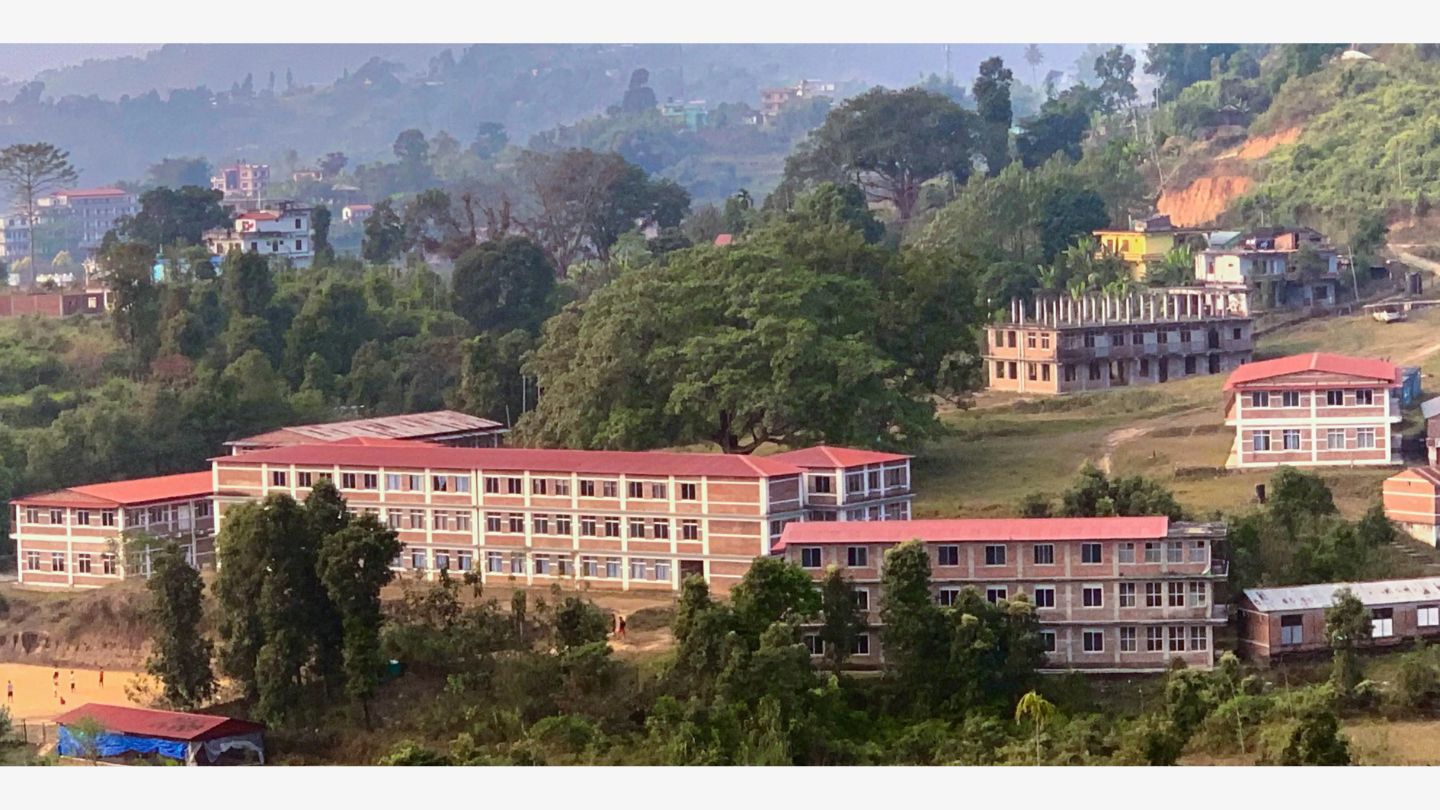
SCTI is a nonprofit community technical institution established in 2014 in Sindhuli. Its academic facilities include a three-story building with 19 rooms, a computer and Internet laboratory, a reading room, and classroom facilities.
For B Tech Ed IT students, the computer and Internet facility is directly relevant to a curriculum containing programming, databases, web technology, networks, software engineering, computing projects, and other practical IT subjects.
The curriculum prepares students to work across the overlapping areas of computing, educational technology, instructional practice, and organizational technology use. Its learning outcomes cover software development, web and multimedia applications, digital learning systems, instructional design, assessment, computing research, and professional practice.
Graduates may consider work connected with educational institutions, education technology organizations, ICT-enabled organizations, training environments, technology-related projects, or further academic study. Individual career outcomes depend on skills, academic performance, experience, role requirements, and available opportunities.
It is the Bachelor of Technical Education in Information Technology, an undergraduate program combining information technology with education, vocational pedagogy, research, projects, and internships.
The program is affiliated with Kathmandu University.
The program runs for four years across eight semesters and carries 136 credit hours.
SCTI has 30 seats for the B Tech Ed IT program.
Yes. The curriculum includes IT Project I, IT Project II, IT Project III, practical coursework, a Research Project, Internship-Teaching & Training, and Internship-Work Based Learning.
The curriculum covers information technology, IT mathematics, education core courses, vocational pedagogy, research, and internships.
Eligibility, admission, entrance procedures, examinations, academic completion, and degree award follow Kathmandu University rules applicable to the program.






