



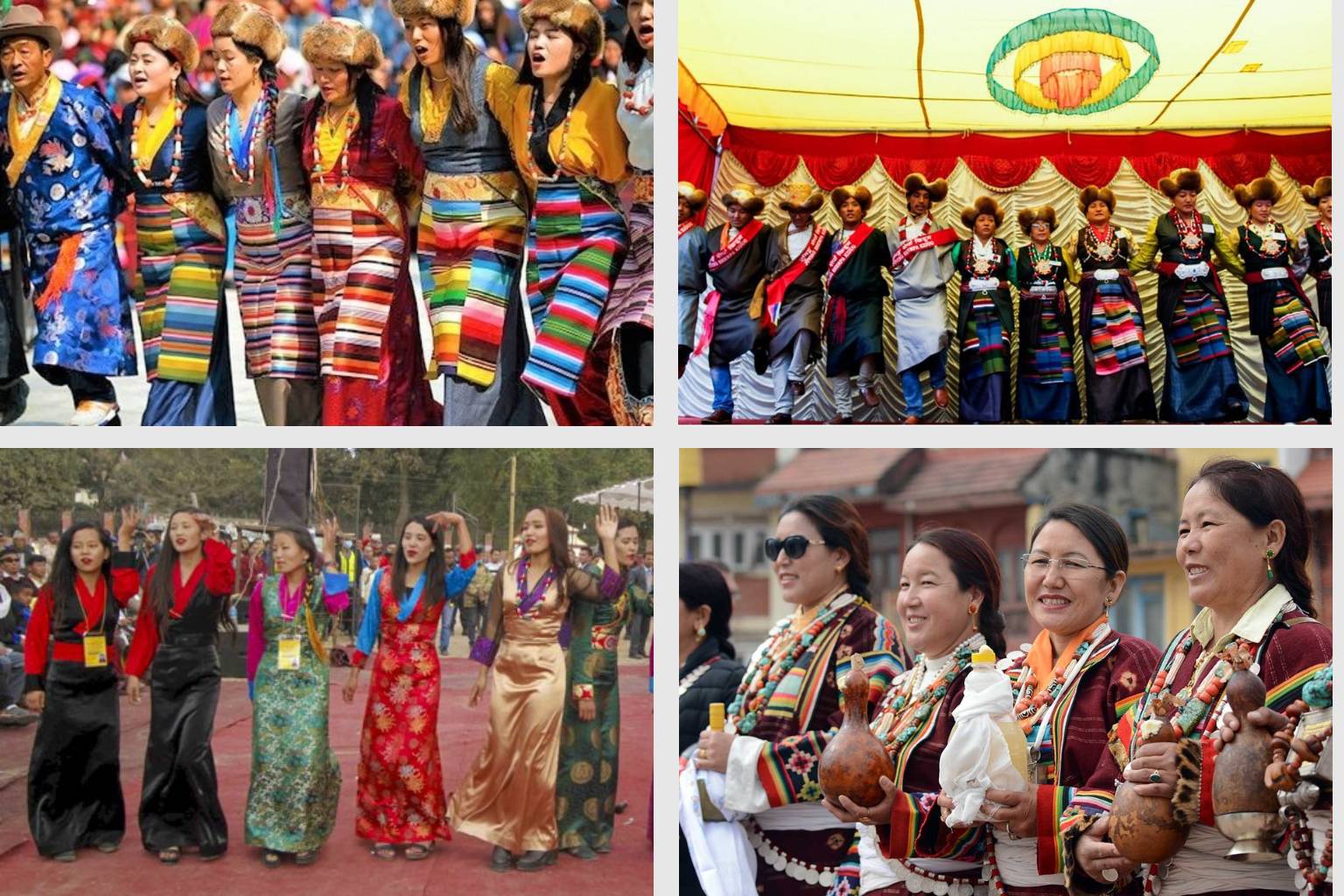
Gyalpo Lhosar (also spelled “Gyalpo Losar”) is the Sherpa community’s New Year celebration, linked to the first month of the Tibetan lunar calendar.
If you’ve seen strings of fresh prayer flags around Kathmandu’s major Buddhist sites or heard greetings like “Tashi Delek” during late winter, you’ve already noticed how Losar season brings families, monasteries, and neighborhoods together.
Because the festival follows a lunar calendar, the date changes each year on the Gregorian calendar. For example, Timeanddate lists Gyalpo Losar in Nepal on February 18, 2026 (Wednesday) and labels it an optional holiday.
What Gyalpo Lhosar Means
Losar literally means “New Year” in Tibetan, celebrated on the first day of the first month of the Tibetan lunar calendar.
Gyalpo Lhosar is widely associated with Sherpa New Year in Nepal, and Nepal-based reporting often describes it as a New Year festival observed by Sherpa and other Himalayan Buddhist communities.
Why spelling varies: Losar vs. Lhosar
You may see “Losar” and “Lhosar” used interchangeably in English-language writing and calendars for Nepal.
When Gyalpo Lhosar Is Celebrated
Gyalpo Lhosar follows the Tibetan lunar calendar, so it falls in February or March in the Gregorian calendar.
Dates change each year
One reliable way to track the date is to use a Nepal holiday calendar entry that is updated annually. For instance, Timeanddate lists February 18, 2026 for Nepal.
Public holiday status in Nepal can vary
Holiday treatment has not been identical every year. Timeanddate labels Gyalpo Losar as an optional holiday in 2026, while it shows a nationwide public holiday classification for 2022.
In March 2022, Nepali media reported that the government declared a public holiday across the country for Gyalpo Lhosar, citing a Ministry of Home Affairs notice and a Cabinet decision.
For February 18, 2026, Ratopati reported that the government declared a public holiday that day for Gyalpo Lhosar (and the next day for Democracy Day) while noting some essential services remained open on those holidays.
Core Rituals and Symbols
Across Losar traditions, a common theme is turning the page: cleaning, refreshing household shrines, and marking a new start with family gatherings and religious ceremonies.
Cleansing and a fresh start
Many Losar descriptions emphasize cleansing and letting go of negativity from the past year as part of welcoming the new one.
Prayer flags and torma offerings
Prayer flags are often raised at Losar, including at prominent Buddhist sites, as a symbolic way of sending blessings and auspicious wishes outward with the wind.
Another visible element in Tibetan Buddhist contexts is torma—ritual offerings made from flour and butter and placed at shrines during New Year observances.
Food and Shared Meals
Food is a major part of Losar season: it supports hospitality, family visits, and monastery gatherings.
Guthuk soup before the New Year
Guthuk is a special noodle soup eaten around the end-of-year period in Losar traditions. The Tibetan Nuns Project describes guthuk as a once-a-year dish tied to clearing away misfortunes or negativity from the old year.
PBS has also described families gathering for guthuk as part of welcoming Losar, often prepared with multiple ingredients.
Khapse pastries and festive foods
Khapse—fried pastries—are commonly linked with Losar celebrations and appear in both museum and community descriptions of New Year foods.
If you’re attending celebrations as a guest, asking about dietary preferences ahead of time helps (especially where offerings and shared meals are involved).
Music, Dance, and Community Events
Losar celebrations can include community programs, traditional songs, and dances, especially around monasteries and gathering spaces.
Monasteries and public gathering spaces
In Nepal, public-facing celebrations are often associated with major Buddhist sites and monasteries. Hamro Patro highlights places like Boudhanath and Swayambhunath as locations where people gather in traditional dress during Gyalpo Lhosar.
Greetings and visiting
“Tashi Delek” is a widely used New Year greeting in Tibetan cultural contexts, and Losar day often includes early greetings and prayer hall visits in monastery communities.
How to Participate Respectfully
Visitors are often welcomed at public celebrations, while some rituals remain private or community-specific.
Visiting monasteries
If you visit a monastery during Losar:
-
Follow posted guidance for entry, photos, and seating.
-
Keep your voice low during prayers and ceremonies.
-
Treat offering tables and shrine areas as off-limits unless invited.
Photography and dress
In crowded religious sites, ask before taking close-up photos of individuals, especially during prayer. If you’re unsure, take wide shots of the environment rather than focusing on faces.
Wearing neat, modest clothing is usually appropriate. If you’re invited into a home, follow the household’s cues about shoes, seating, and accepting tea or snacks.
How Gyalpo Lhosar Relates to Other Nepal Losar Festivals
Nepal has multiple “Losar” New Year traditions associated with different communities. Reporting on Gyalpo Lhosar often mentions that different communities have different Losar dates.
If your goal is cultural understanding (or planning travel), it helps to treat “Losar” as a season with several New Year observances rather than a single date.
Planning Tips for Families, Students, and Visitors
Timing, crowds, and mobility
In Kathmandu, major Buddhist sites can be crowded during key Losar days, especially around morning prayers and public gatherings.
If you’re traveling with family members who prefer quieter spaces, consider visiting earlier in the day or choosing a less crowded monastery outside peak times.
School and workplace planning
Since the official holiday classification can vary by year and by employer, confirm schedules with your school, campus, or workplace early—especially if you need travel time.
Conclusion
Gyalpo Lhosar is a Sherpa New Year celebration in Nepal connected to the Tibetan lunar calendar, marked by family gatherings, monastery visits, and shared foods like guthuk and khapse.
Because the date and public holiday status can change from year to year, confirm the calendar with an up-to-date Nepal holiday listing or your institution’s notice when planning travel or time off.
FAQs
1) Is Gyalpo Lhosar the same as Losar?
Losar is the Tibetan New Year. Gyalpo Lhosar refers to a Losar/New Year observance associated with Sherpa communities and related Himalayan cultural traditions.
2) When is Gyalpo Lhosar in Nepal?
The date varies each year because it follows the Tibetan lunar calendar. Timeanddate lists February 18, 2026 for Nepal.
3) Is Gyalpo Lhosar a public holiday in Nepal?
It has varied by year. Timeanddate lists it as an optional holiday in 2026 and shows a nationwide public holiday classification for 2022. Media reports in 2022 described a nationwide public holiday announcement.
4) What foods are associated with Losar and Gyalpo Lhosar celebrations?
Guthuk (a special noodle soup in the Losar period) and khapse (fried pastries) are commonly mentioned foods.
5) What is a respectful way to greet people during Losar?
“Tashi Delek” is a common greeting used during Losar celebrations in Tibetan cultural contexts.
Reference
-
Central Tibetan Administration. “A brief introduction to Losar, Tibetan New Year.” 2020.
-
Timeanddate.com. “Gyalpo Losar 2026 in Nepal.”
-
Rubin Museum. “Losar: Tibetan New Year Traditions.” 2025.
-
Rubin Museum. “Losar Celebrations Across Himalayan Cultures.” 2026.
-
Tibetan Nuns Project. “Celebrating Losar at Dolma Ling – Photo Essay.” 2024.
-
Tibetan Nuns Project. “Tibetan New Year Losar.” 2020.

.png)

Comments 0
No comments yet. Be the first to start the conversation.