



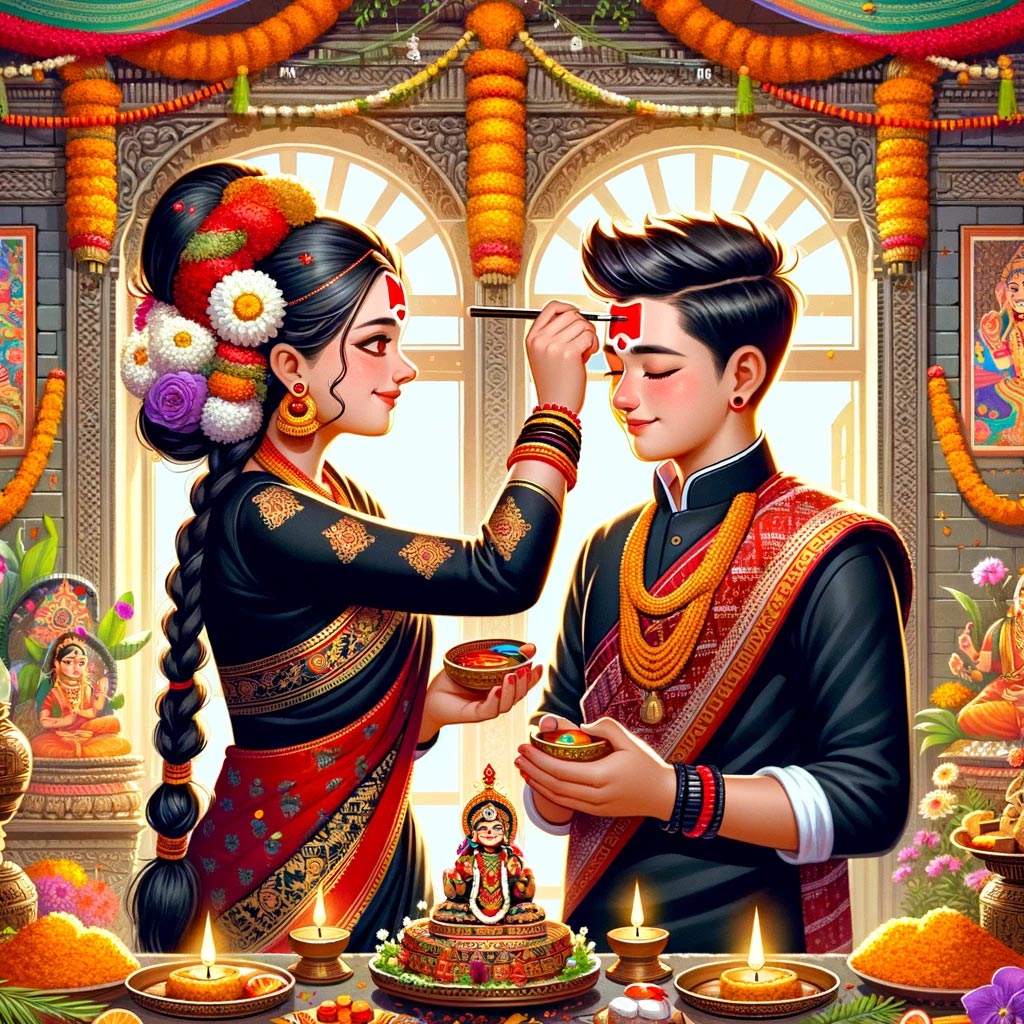
Kija Puja—widely known across Nepal as Bhai Tika—is a significant Newar festival that honors the relationship between sisters and brothers. At its core, it is a family-centered ritual in which sisters offer blessings for their brothers’ well-being, and brothers reaffirm their responsibility to support and protect their sisters.
Beyond the household, Kija Puja also reflects Newar cultural continuity through ceremonial practice, food traditions, and community memory.
Cultural and Historical Context
Kija Puja is rooted in long-standing Newar ritual life and the broader Nepali tradition of Bhai Tika. Over time, local customs have shaped how families observe the festival, but the central purpose has remained consistent: to publicly affirm respect, care, and duty within the sibling bond.
For many Newar families, the festival also functions as a cultural anchor. It is a moment when younger generations learn ritual etiquette, vocabulary, and family practices through participation rather than instruction alone.
Core Rituals and Symbolic Elements
While specific steps can vary by family and locality, Kija Puja typically includes a structured set of rituals prepared and led by the sister.
Preparing the Puja Space
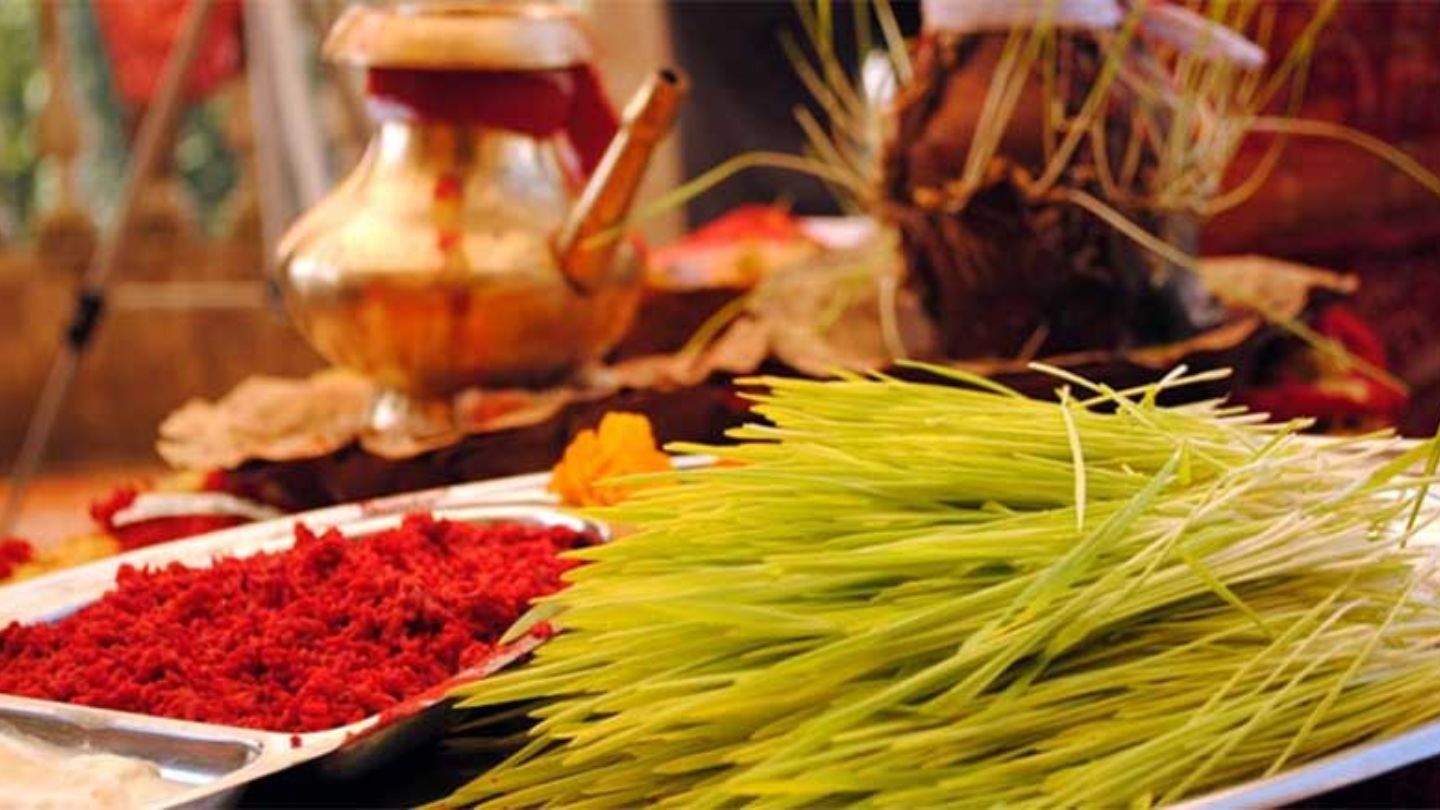
Homes are cleaned, and a designated puja area is arranged with traditional offerings. Common items include fruits, sweets, flowers, and ritual materials used for the tika and lamp. The careful setup signals respect for the occasion and prepares a focused space for blessing.
Tika Ceremony
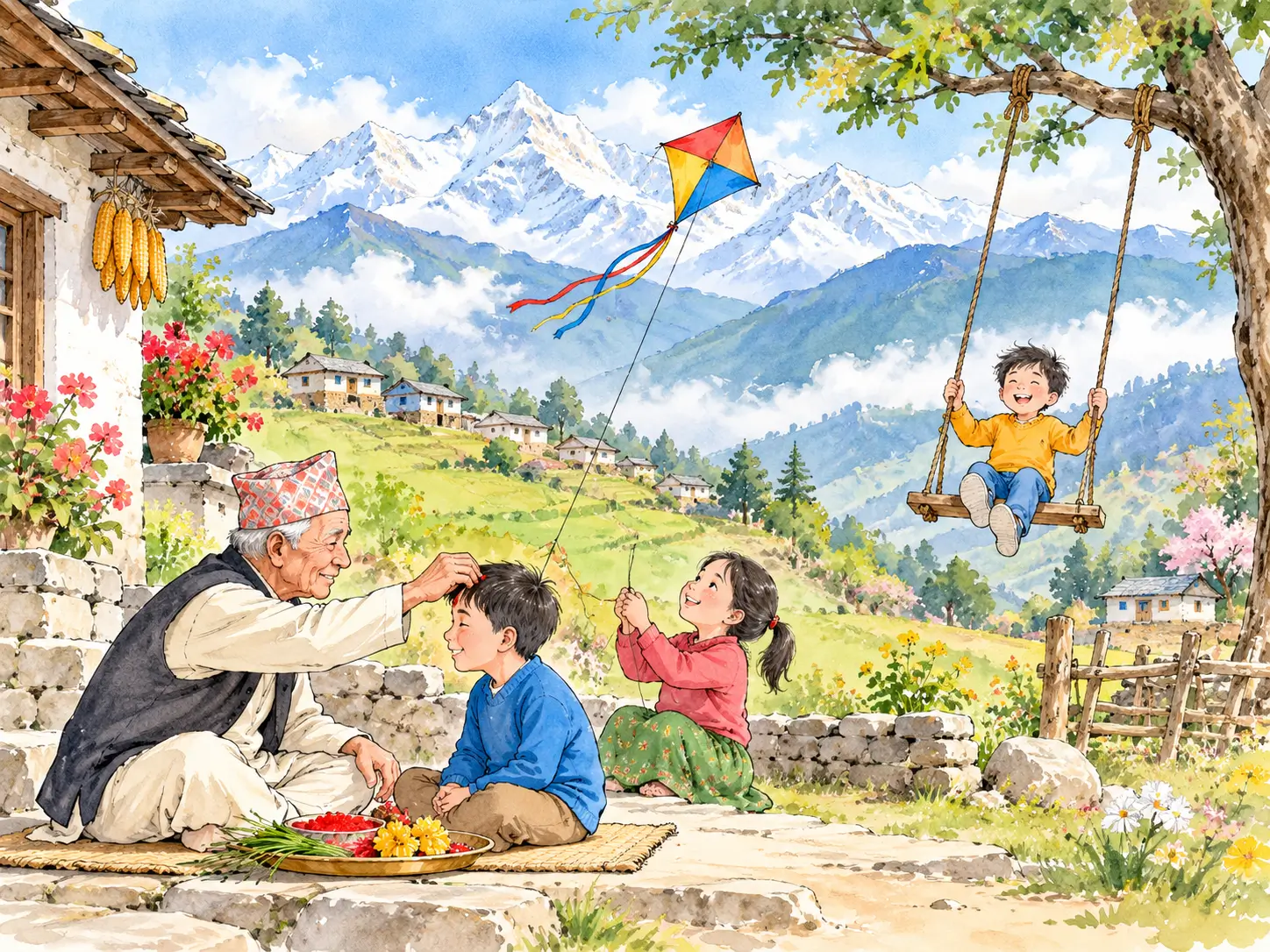
The tika is the central act of Kija Puja. Sisters apply a ceremonial tika on their brothers’ foreheads as a blessing for health, longevity, and stability in life. In many households, the tika is multi-colored; some traditions use a set of seven colors, each treated as part of a complete blessing rather than a single mark.
Garland and Offerings
Sisters often place a garland (mala), commonly made from marigolds or other flowers, around their brothers’ necks. This act expresses goodwill and prosperity. Offerings presented during the ritual—such as fruits and sweets—reinforce the themes of care, abundance, and gratitude.
Lighting the Lamp (Diyo)
A lamp (diyo) is commonly lit during the puja and kept burning for an extended period. Many families understand this as a protective symbol and a sign of auspiciousness, reflecting the belief that light supports well-being and wards off negativity.
Feast and Gift Exchange
Food is not an accessory to Kija Puja; it is part of how affection is expressed. Sisters typically prepare a special meal featuring local dishes and sweets, and siblings share the meal together. This shared time often carries as much emotional weight as the ritual itself, especially for families whose routines rarely allow long conversations.
Gift exchange is also customary. Brothers commonly give gifts or money to their sisters as a sign of appreciation and ongoing support. The gesture reinforces reciprocity: blessings and care offered by the sister are met with responsibility and commitment from the brother.
Community Life and Modern Adaptations
Kija Puja is primarily observed within families, but it can also include broader community interaction. In some places, cultural activities—such as music, dance, or community gatherings—add a public dimension that strengthens social ties and reinforces shared identity.
Modern life has reshaped how many families manage the festival, especially when siblings live in different cities or countries. Virtual greetings and remote participation are now common, allowing the relationship-centered purpose of Kija Puja to continue even when physical presence is not possible. In some contemporary settings, the celebration may also extend beyond biological siblings to include close relationships understood as sibling-like, reflecting evolving social realities while preserving the festival’s core values.
How Kija Puja Strengthens the Brother–Sister Bond
Kija Puja has a clear social function: it formalizes mutual care in a way that is both emotional and practical.
-
Reinforces mutual duty: The sister’s blessing and the brother’s pledge of support create a balanced, reciprocal understanding of the relationship.
-
Encourages emotional expression: The ritual provides a socially accepted space for appreciation, gratitude, and reconciliation when needed.
-
Connects siblings to shared heritage: Participating in ritual steps, language, and food traditions strengthens identity through shared practice.
-
Supports long-term relationships: Because it is observed annually, Kija Puja acts as a recurring reminder to maintain communication and responsibility over time.
Conclusion
Kija Puja is a ritual expression of sibling responsibility, affection, and respect in the Newar community and across Nepal. Through tika, offerings, shared meals, and gifts, the festival turns personal bonds into visible commitments. As families adapt to changing lifestyles and distance, Kija Puja continues to hold its cultural purpose: strengthening the brother–sister bond while preserving a living tradition.


Comments 0
No comments yet. Be the first to start the conversation.