



Kuse Aunsi and Father's Day Observed by Bringing Kush into Homes According to Vedic Tradition
Kuse Aunsi is being observed on Bhadra Krishna Aunsi by bringing the sacred plant kush into homes amid the chanting of Vedic mantras. The day is also observed as “Father's Day” or “Pitri Aunsi,” with a tradition of expressing reverence for both living and deceased fathers.
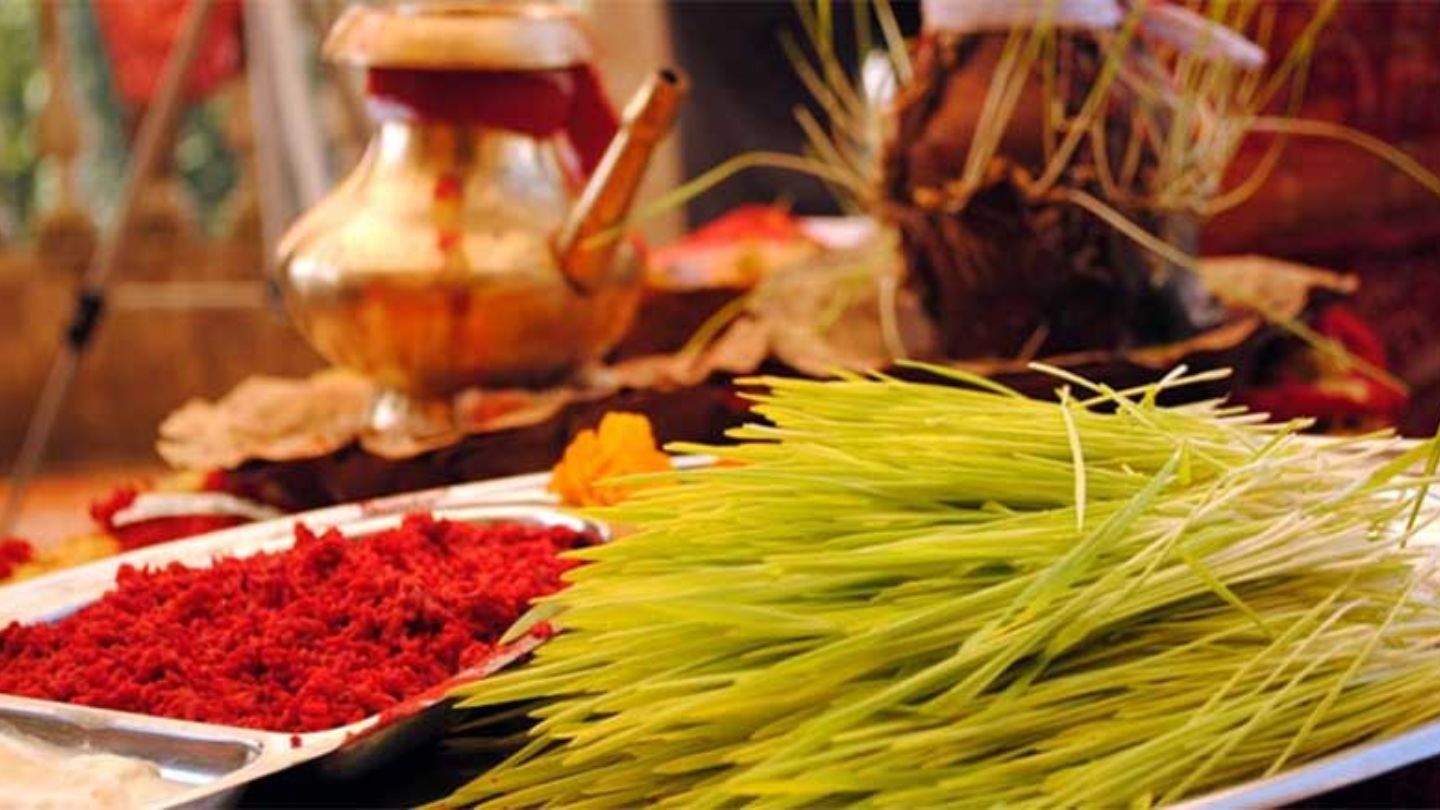
On this day, there is a tradition of uprooting kush, which is considered essential in all Vedic rituals from birth to death, and keeping it in the home. Respected gurus and priests also deliver kush to the homes of their patrons. Kush is regarded as an extremely pure and important plant believed to be the abode of Brahma, Vishnu, and Mahesh.
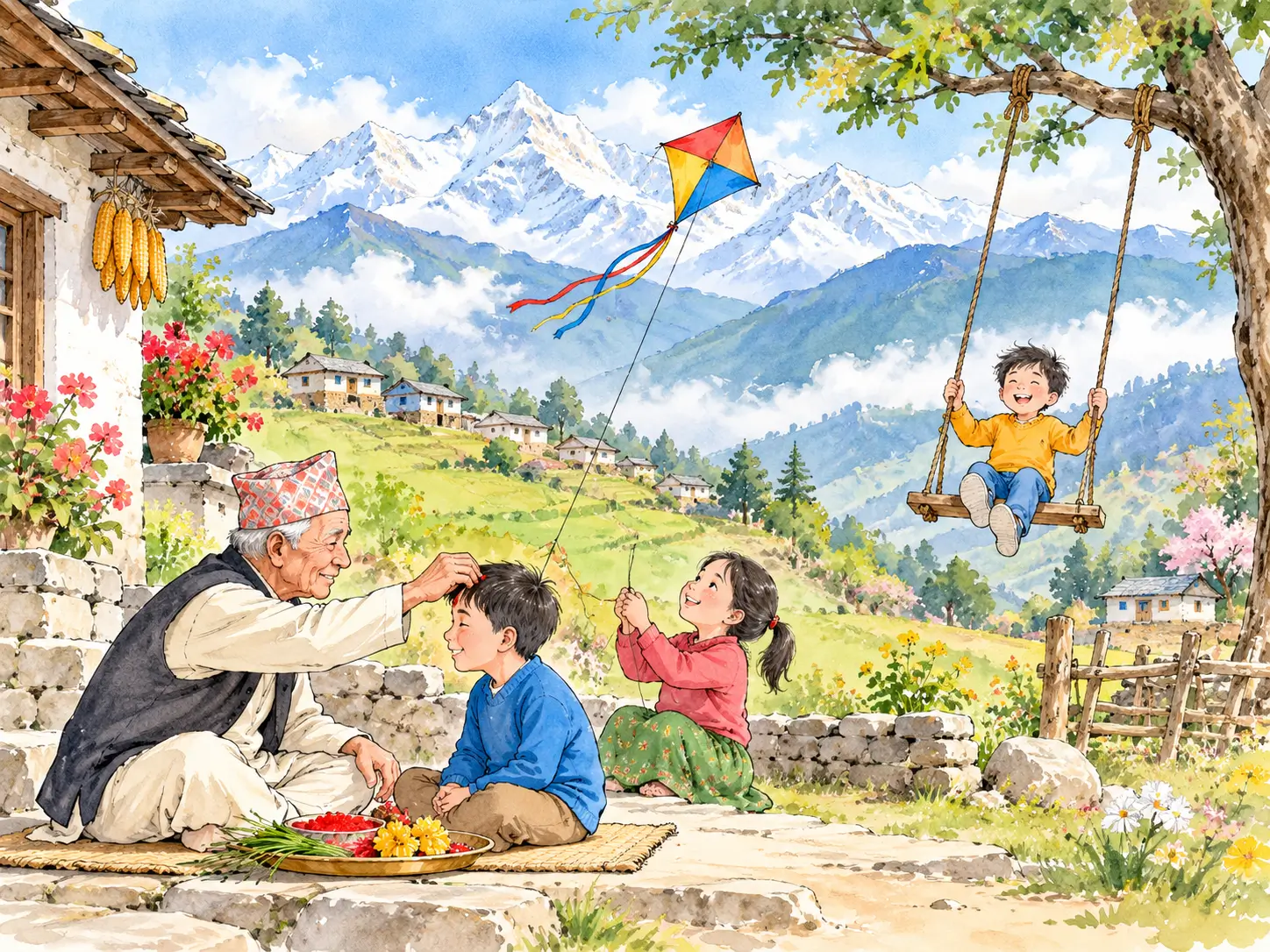
During the festival, people offer their living fathers their favorite food, clothes, and gifts, make them happy, and receive their blessings. In particular, married daughters traditionally visit their maternal homes, present affectionate gifts to their fathers, and receive invitations for Teej.
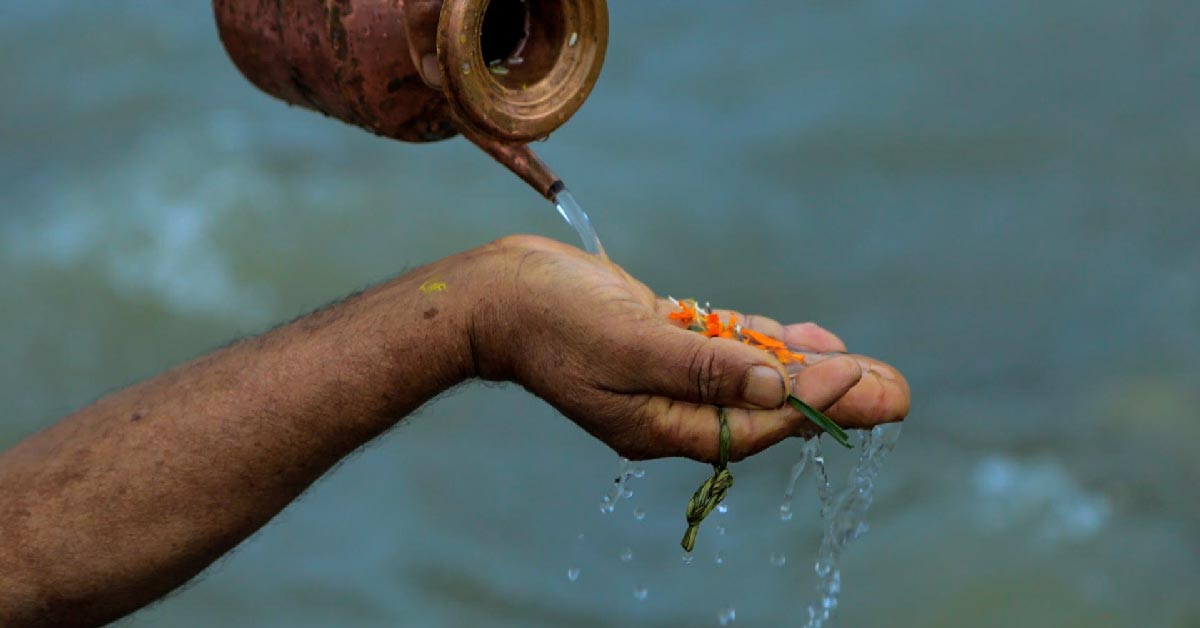
In memory of deceased fathers, people traditionally visit pilgrimage sites to bathe, make donations, perform tarpan, offer pindas, and conduct shraddha rituals. A fair is held on this day in the Gokarna area, northeast of Kathmandu, based on the belief that bathing, making donations, and performing shraddha there help ancestors attain supreme liberation. Those unable to visit Gokarna go to nearby pilgrimage sites, rivers, cowsheds, or other sacred places to perform tarpan and shraddha.
In the context of recent changes in customs and culture, the increasing trend of children going abroad, and parents being placed in old-age homes, the festival highlights the belief of “Pitri Devo Bhava” — “Father is divine.” Emphasizing the importance of religious duty and merit over material wealth, the festival carries a message encouraging children to fulfill their duties toward their parents and treat them with respect.

.png)

Comments 0
No comments yet. Be the first to start the conversation.