



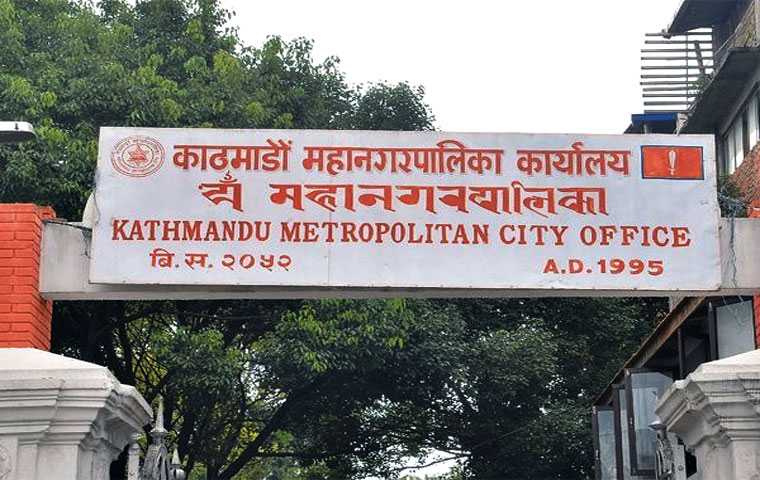
Kathmandu Metropolitan City Education Progress 2081/2082
Scholarships in Academic Session 2081/2082
Within schools under Kathmandu Metropolitan City (Kathmandu Mahanagarpalika), 30,779 students received the opportunity to study through scholarships in the academic session 2081/2082.
After the Metropolitan City made scholarships system-based, the following students received scholarships:
-
Girls’ scholarship: 5,895 students
-
Dalit scholarship: 1,322 students
-
Disability and residential scholarships: 455 students
In institutional schools, students receiving scholarships were:
-
Grades 1 to 10: 19,306 students
-
Grades 11 and 12: 3,801 students
The Education Department provided these details while informing about last year’s progress.
School Changes and Student Support
This year, 39 schools changed their names to reflect Nepali identity.
Student support initiatives and coverage this year included:
-
Free textbooks (Grades 1 to 12): 56,301 students
-
Regular midday meals: 58,739 students
-
Free sanitary pads (for the age group that needs them): 17,689 girls
Education Budget and Expenditure
For education this year, a budget of 3,294,777,000 rupees was allocated.
-
Total expenditure: 53.8% (1,773,442,000 rupees)
Program-wise Allocation and Spending
-
Internal regular programs:
-
Allocated: 1,048,527,000 rupees
-
Spent: 30% (315,605,000 rupees)
-
-
“Gari Khane Shiksha: Metropolitan City’s Ichchha Program”:
-
Allocated: 600,000,000 rupees
-
Spent: 50,100,066 rupees (8.4%)
-
-
Golden plans for the education sector:
-
Allocated: 111,400,000 rupees
-
Spent: 43,200,000 rupees (38.8%)
-
-
Federal conditional grant:
-
Received: 1,423,450,000 rupees
-
Spent: 92.9% (1,322,200,000 rupees)
-
Programs and Activities
Key activities implemented this year included:
-
Book-Free Friday program (Grades 4 to 8): 18,218 students participated
-
Education in Skills program: 5,011 participants completed the class
-
Early Childhood Development (ECD) classroom upgrades: completed in 77 schools
-
Grants for “Beautiful School” construction: provided to 82 schools
-
Teacher capacity development program: completed for 1,043 teachers
Progress Reported by the Education Department
The department considered the following as progress:
-
After upgrading ECD centers, attraction toward child enrollment increased.
-
The number of students achieving higher grades in the SEE examination increased.
-
The Book-Free Friday (Book Free Friday) program increased children’s creativity and skills development.
-
Through the Beautiful School project, improvements in schools’ physical and environmental conditions led schools to become cleaner, tidier, and greener.
The department also stated that these were the main achievements this year:
-
After distributing midday meals and sanitary pads for girls, student attendance increased.
-
Classrooms have increasingly become information-technology-based.
-
Access at the school level has expanded for those who want to study in the technical stream.
-
Full implementation of scholarships that institutional schools must provide as per rules.
Educational Institutions within Kathmandu Metropolitan City

Within the Metropolitan City, there are a total of 784 educational institutions:
-
Basic schools: 26
-
Secondary schools: 58
-
Special schools: 4
-
Alternative schools: 23
-
Religious schools: 11
-
Community learning centers: 28
-
Institutional schools: 425
Student Enrollment
Student enrollment details are as follows:
-
Early Childhood Development centers: 5,332 students
-
Basic level (Grades 1 to 5): 16,552 students
-
Basic level (Grades 6 to 8): 14,213 students
-
Secondary level (Grades 9 and 10): 12,896 students
-
Secondary level (Grades 11 and 12): 12,640 students
-
Resource classes: 455 students
This year, a total of 283,732 students studied, including:
-
Community schools: 62,088 students
-
Institutional schools: 221,644 students
Education Workforce
Within the Metropolitan City, there are 2,303 personnel in education-related roles:
-
Facilitators: 209
-
Aya: 87
-
School support staff: 87
-
School assistant staff: 58
-
Primary teachers: 705
-
Lower secondary teachers: 437
-
Secondary teachers (Grades 9 and 10): 405
-
Secondary teachers (Grades 11 and 12): 43
-
Technical stream instructors: 99
-
Language assistants: 173


Comments 0
No comments yet. Be the first to start the conversation.