



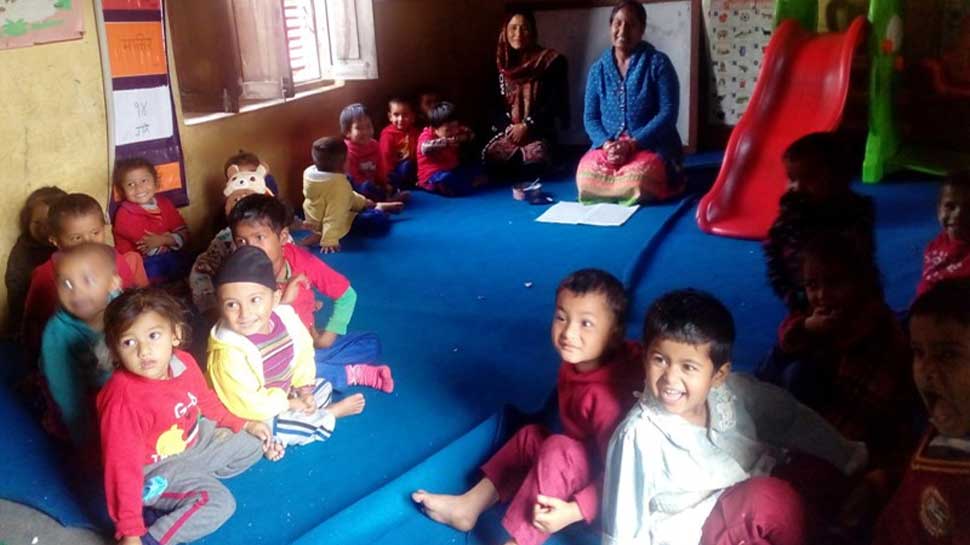
Only Half of ECCD Students Ready for Grade 1: Study
Kathmandu, Magh 16, 2082 (BS).
A government study has found that only about half of students who studied in Early Childhood Development Centers are eligible to enroll in Grade 1.
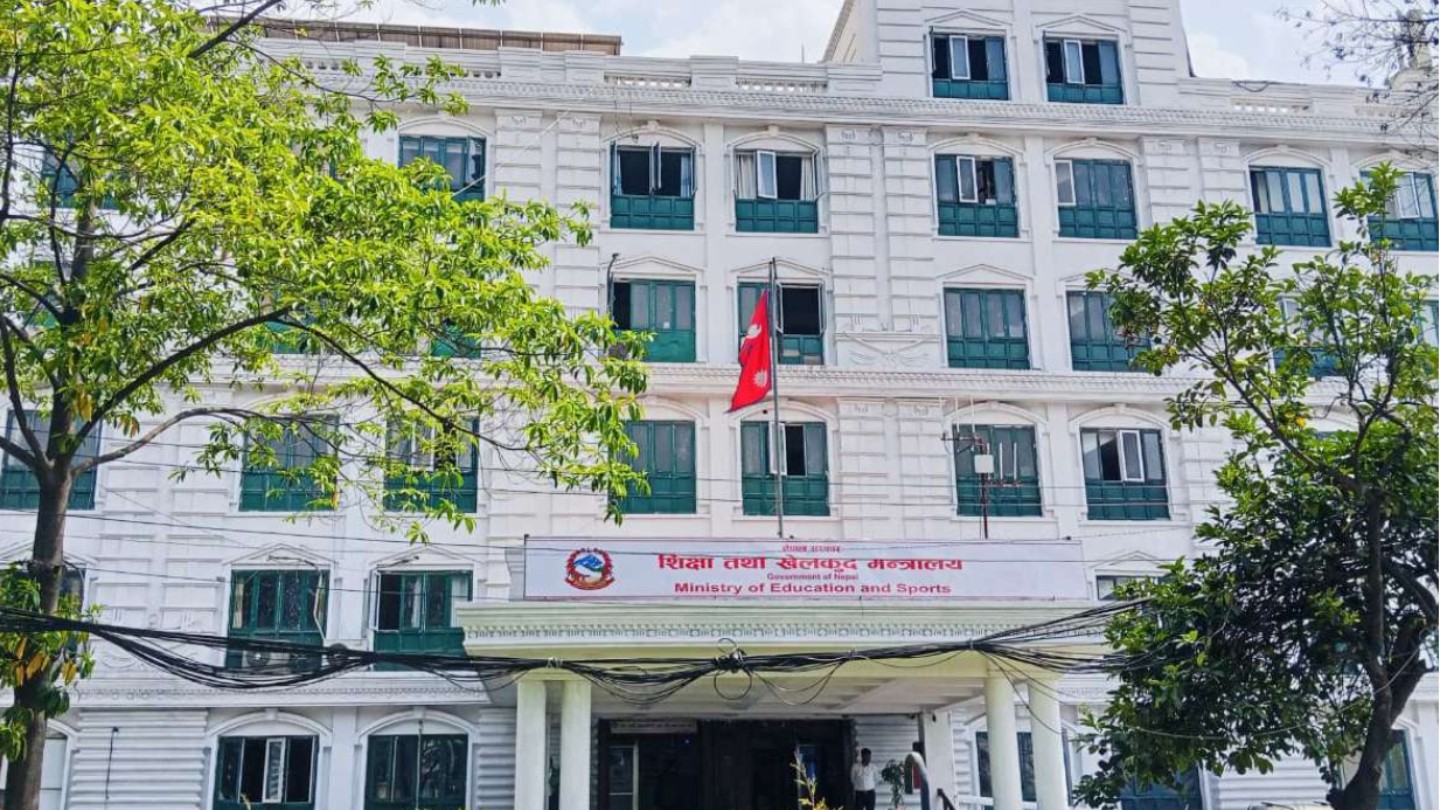
The study was carried out by the Educational Quality Testing Center (ERO) under the Ministry of Education, Science and Technology.
According to the study, only 49.1 percent of students enrolled and studying at the pre-primary level were found to be ready for school education.
Key Findings on Readiness
The study concludes that this problem has emerged because the standards prepared for Early Childhood Development Centers are not fully followed in classrooms, and because activities are being conducted contrary to the curriculum prepared for children.
Among the students included in the study, 45.3 percent of those enrolled at the pre-primary level were found to be in the process of becoming ready to study in Grade 1.
The study also found that 5.56 percent of students are facing significant difficulty.
The conclusion states that students who are struggling need intensive support.
Study Coverage
The center conducted interactions, along with questionnaires, with 3,978 students from 280 schools across the seven provinces.
Students from 29 districts were included.
Among them, the lowest proportion of students ready to study in Grade 1 was 25 percent.
Students from Gandaki Province were found to have the highest readiness, with 59.50 percent of students ready to study in Grade 1.
Concern for the School Education System
Director General Jayaram Adhikari said it is not a positive sign for the country’s school education system that half of children do not arrive fully ready for school.
He said it is also concerning that, among them, about half are only becoming ready to enroll in Grade 1, and nearly six percent are in a struggling condition.
He said, “If teachers are unable to provide more intensive support to such children, children fall behind and may also drop out of school.”
He added that it appears necessary to identify such children from Grade 1 and provide teachers with practice-based and practical training in skills to support children, including supportive and motivational activities.
Recommendations Highlighted in the Study
The center suggested that a guided awareness program is necessary for stakeholders to discourage the practice of assigning homework that goes against the curriculum, in order to make all children eligible for school education.
According to the study’s statistical analysis, when teachers’ qualifications are only up to Grade 10, there is a notable negative relationship with children’s development.
When teachers’ qualifications are at Grade 12, a notable and positive relationship was found in children’s development indicators.
Based on this, the center has also suggested:
-
Making Grade 12 the minimum qualification for teachers
-
Giving priority, during teacher selection, to teachers who have received training related to early childhood development and those who studied the same subject at university
-
Encouraging teachers to facilitate learning in children’s mother tongue, as the mother tongue has a positive effect on learning


Comments 0
No comments yet. Be the first to start the conversation.