




Information technology (IT) has become an essential part of public sector administration. Government agencies use digital systems to deliver services, manage data, communicate with citizens, improve internal coordination, and protect sensitive information.
In the public sector, IT is not only about replacing paper-based work with computers. It also supports better service delivery, evidence-based decision-making, transparency, accountability, and public participation. The United Nations E-Government Survey 2024 notes continued global progress in digital government, while also highlighting gaps between countries, regions, and local government systems.
Table of Content
- Meaning of Information Technology in the Public Sector
- Role of IT in the Public Sector
- Objectives of IT in the Public Sector
- Major Challenges of IT in the Public Sector
- Key Areas Where IT Supports Public Sector Improvement
- Conclusion
Meaning of Information Technology in the Public Sector
Information technology in the public sector refers to the use of digital tools, systems, networks, software, databases, and online platforms by government agencies and public institutions. These technologies help public bodies collect information, process applications, deliver services, communicate with the public, and manage administrative work.
Common examples include government websites, mobile applications, digital payment systems, online tax portals, public records systems, data dashboards, email communication, cybersecurity tools, and digital identity systems.
Role of IT in the Public Sector
1. E-Governance and Digital Service Delivery
One of the main uses of IT in the public sector is e-governance. E-governance allows citizens and businesses to access government services through digital platforms instead of relying only on physical offices and paper documents.
Through online systems, people may be able to access public information, submit applications, pay taxes or fees, apply for permits, track service requests, and take part in government processes. This can make services more accessible and reduce unnecessary delays when systems are well designed and properly maintained.
The OECD describes digital government as a way to bring governments closer to citizens and businesses, improve public sector efficiency, and support more open, transparent, participatory, and trustworthy government.
2. Data Management and Decision-Making
Government agencies collect large amounts of data related to population, education, health, transport, public finance, social services, security, and economic activity. IT helps store, organize, process, and analyze this information.
When data is managed responsibly, it can support better planning and policy decisions. Public institutions can use data to identify service gaps, monitor program performance, allocate resources, and evaluate whether policies are producing expected results.
The OECD notes that governments need to use data as a strategic asset and that data governance can help public sectors manage data securely, ethically, and efficiently for evidence-based decision-making.
3. Communication and Public Engagement
IT also improves communication between government agencies, citizens, businesses, and other stakeholders. Websites, email, social media, messaging systems, and online feedback tools allow public institutions to share notices, updates, decisions, service information, and emergency alerts more quickly.
Digital communication can also support public participation. Citizens may use online channels to submit complaints, provide feedback, attend virtual consultations, or access information about government programs. This can strengthen transparency and accountability when agencies respond clearly and consistently.
4. Administrative Efficiency
Public sector organizations often handle repetitive administrative work, including registration, record keeping, reporting, approvals, payments, and document management. IT can reduce manual work by automating routine processes and improving coordination between departments.
Digital records can also reduce duplication, improve tracking, and make it easier for officials to retrieve information. However, efficiency depends on proper system design, staff training, maintenance, interoperability, and clear procedures.
5. Cybersecurity and Information Protection
Government agencies handle sensitive information, including personal records, financial data, official documents, and confidential files. Protecting this information is a core responsibility of public sector IT.
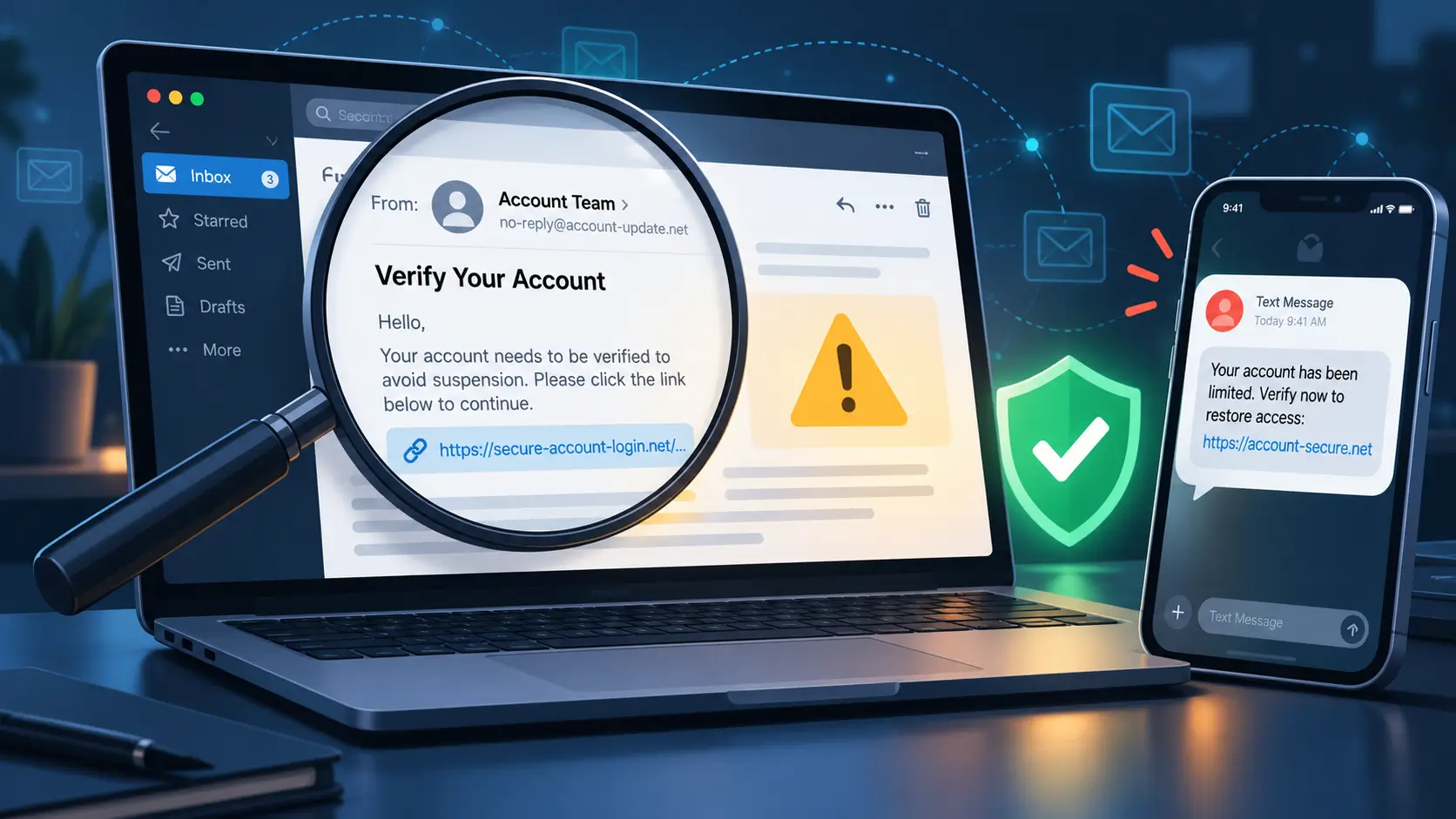
Cybersecurity measures may include secure networks, access control, encryption, authentication, regular system updates, data backup, incident response planning, and staff awareness. Readers who need a basic explanation of online protection can also refer to this guide on cybersecurity basics for students and young professionals.
The NIST Cybersecurity Framework is designed to help government, industry, and other organizations understand and improve cybersecurity risk management.
Objectives of IT in the Public Sector
The main objectives of using IT in the public sector include:
-
Improving service delivery: Digital systems can make public services more accessible, faster, and easier to use.
-
Increasing efficiency: Automation and digital records can reduce paperwork, repeated tasks, and administrative delays.
-
Supporting transparency: Online information systems can help citizens access public information and follow government activities.
-
Improving decision-making: Data systems can support planning, monitoring, evaluation, and policy development.
-
Reducing operational costs: Digital processes may reduce printing, physical storage, travel, and manual processing costs over time.
-
Strengthening security: IT systems help protect public data, official records, and digital infrastructure.
-
Encouraging public participation: Digital platforms can help citizens provide feedback and engage with public processes.
Major Challenges of IT in the Public Sector
1. Cost of Implementation and Maintenance
Developing and maintaining IT systems can be expensive. Public agencies may need to invest in hardware, software, cloud services, cybersecurity tools, technical support, and staff training. Costs can increase further when systems need regular upgrades or integration with older platforms.
Smaller government bodies and local institutions may face additional challenges because of limited budgets, technical staff, or infrastructure.
2. Cybersecurity Risks
As more public services move online, government systems become more exposed to cyber threats. Data breaches, ransomware, unauthorized access, service disruption, and system misuse can harm public trust and create financial, legal, and administrative problems.
Cybersecurity must therefore be treated as an ongoing process, not a one-time technical setup. Public institutions need regular monitoring, updated security controls, clear responsibility, and trained staff.
3. Digital Divide
The digital divide is the gap between people who have access to digital tools and skills and those who do not. E-governance can improve access for many users, but it may also exclude people without reliable internet, devices, digital literacy, language support, or accessible services.
Governments need to consider inclusive design, assisted service centers, digital literacy programs, mobile-friendly platforms, and offline alternatives so that digital transformation does not leave vulnerable groups behind. The UN E-Government Survey 2024 highlights continued disparities in digital government development, including gaps affecting regions and local government performance.
4. Privacy and Data Protection
Public agencies collect and store personal data. If this information is poorly protected or used without proper safeguards, it can create privacy risks. Strong data protection policies, clear legal frameworks, secure systems, and accountability mechanisms are necessary to prevent misuse.
Privacy should be built into public sector IT systems from the planning stage, especially when systems involve identity records, financial transactions, health records, education data, or social protection information.
5. Resistance to Change
Digital transformation changes how public employees work. Some staff may resist new systems because of limited training, fear of job changes, lack of confidence, or poor system usability. This can slow implementation even when the technology itself is available.
Successful IT adoption requires leadership, staff training, user-friendly systems, clear communication, and gradual change management.
6. Governance and Coordination Problems
Public sector IT projects often involve multiple departments, laws, budgets, vendors, and data systems. Without strong coordination, agencies may create separate systems that do not communicate with each other. This can cause duplication, inconsistent records, and poor service delivery.
The OECD emphasizes that government-wide digital transformation requires strategic vision, clear mandates, leadership, coordination, skilled people, enabling tools, and legal frameworks while managing risks related to security, privacy, and inclusion.
Key Areas Where IT Supports Public Sector Improvement
| Area | How IT Helps |
|---|---|
| Service delivery | Provides online access to government services and information |
| Administration | Reduces paperwork and supports faster processing |
| Data management | Helps store, analyze, and use public data for planning |
| Transparency | Makes public information easier to access |
| Communication | Improves interaction between government and citizens |
| Security | Protects sensitive data and government systems |
| Participation | Allows citizens to provide feedback and engage with public processes |
Conclusion
Information technology plays an important role in modern public sector management. It supports e-governance, data management, communication, administrative efficiency, transparency, and cybersecurity. When used properly, IT can help government agencies provide better services and make more informed decisions.
At the same time, public sector digital transformation requires careful planning. Governments must address cost, cybersecurity, privacy, digital inclusion, staff readiness, and coordination challenges. Technology can improve public administration only when it is supported by sound governance, skilled people, secure systems, and a clear focus on citizens’ needs.





Comments 0
No comments yet. Be the first to start the conversation.