



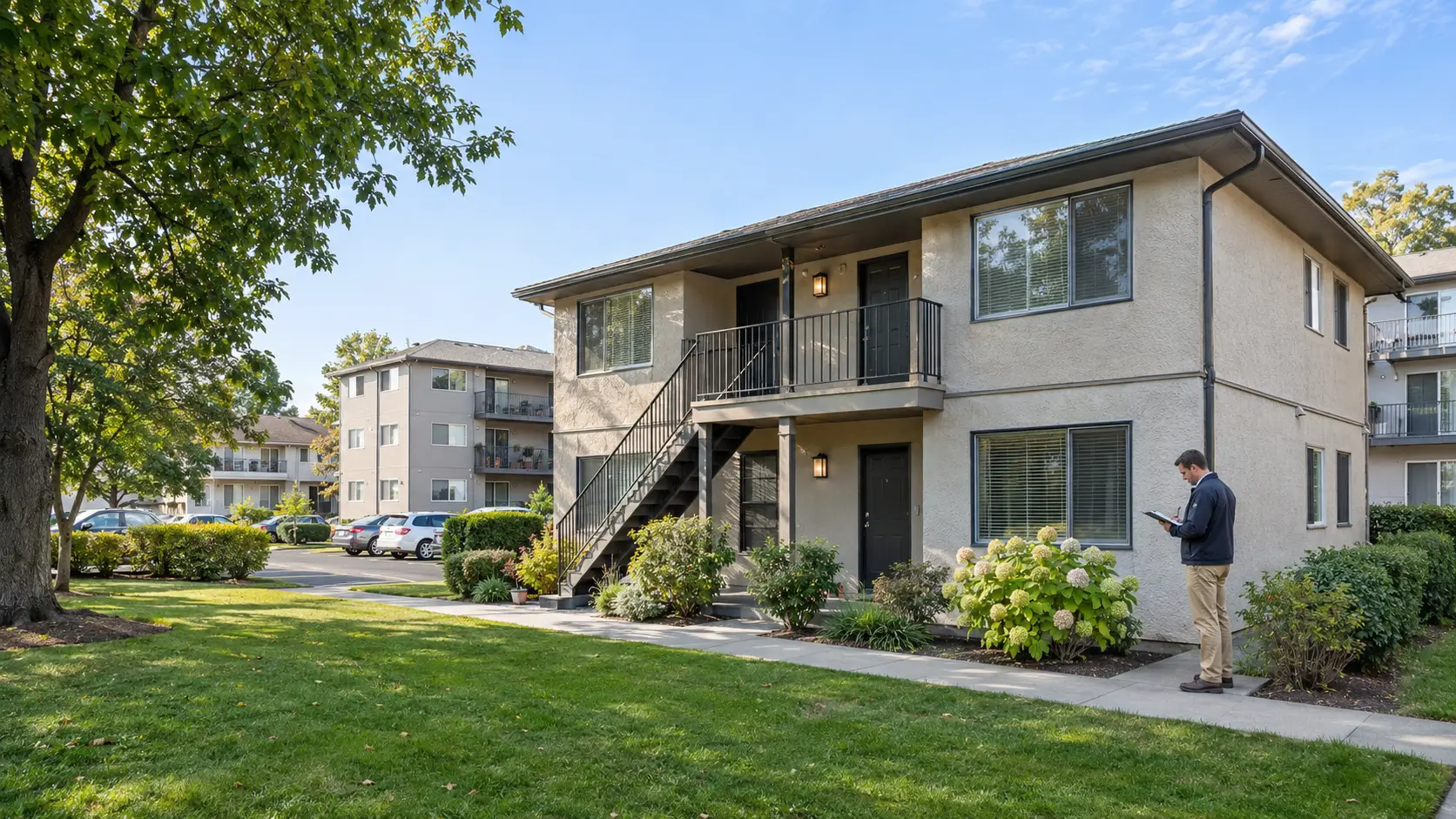
Rental property investing can generate regular income and contribute to long-term wealth. However, profitability depends on several factors, including the purchase price, rental demand, financing costs, property condition, and ongoing expenses.
Unlike some investments that require little day-to-day involvement, rental properties need maintenance, financial oversight, and tenant management. Even with a property manager, owners remain responsible for major investment decisions and unexpected costs.
The goal is not simply to collect rent but to earn enough income to cover expenses, manage risks, and achieve a reasonable return on the money invested.
This article explains 10 practical strategies for making money with rental properties, from choosing the right location and calculating returns to managing tenants, controlling expenses, and understanding taxes.
Benefits of Investing in Rental Properties
Rental properties can offer several financial benefits when purchased and managed carefully.
-
Rental income: Monthly rent can provide recurring cash flow after operating expenses and financing costs are paid.
-
Long-term appreciation: A property's market value may increase over time, potentially generating a profit when it is sold. However, property values can also decline.
-
Tax benefits: Depending on local tax laws, owners may qualify for deductions or allowances related to rental expenses, financing, or depreciation.
-
Portfolio diversification: Property ownership can add a different type of asset to an investment portfolio, although owning a single property also creates concentrated financial risk.
-
Equity building: Mortgage repayments can gradually reduce outstanding debt, increasing the owner's equity if the property's value remains stable.
These benefits are potential outcomes rather than guaranteed returns. Rental income may be interrupted by vacancies, unpaid rent, unexpected repairs, or changing market conditions.
For readers comparing different investment options, the beginner's guide to investing explains several asset classes and their associated risks.
10 Tips for Making Money with Rental Properties
1. Research the Local Rental Market Before Buying
Location is one of the most important factors affecting rental demand, occupancy, and property value.
A property in an area with consistent housing demand may be easier to rent than one in a location with limited employment opportunities, poor transport connections, or an oversupply of rental housing.
Before purchasing a property, examine local conditions such as employment opportunities, population changes, transportation, educational institutions, essential services, and neighbourhood development.
Compare advertised rental prices with actual rents achieved for similar properties where reliable information is available. Advertised rents alone may not accurately reflect market conditions.
Pay particular attention to vacancy levels, the time properties remain available for rent, and whether local housing supply is increasing.
The relationship between property prices, mortgage rates, housing supply, and economic activity is explained further in how housing markets influence the broader economy.
A desirable location does not automatically make a property profitable. The purchase price must still be reasonable relative to its expected rental income and expenses.
2. Choose the Right Property Type and Inspect Its Condition
Different rental properties have different income potential, costs, responsibilities, and risks.
Single-family houses may attract tenants seeking longer-term accommodation, while apartments can offer access to areas with concentrated rental demand. Multi-unit properties may spread vacancy risk across several tenants but can require greater capital and management.
Consider your investment budget, management capacity, and the type of tenants likely to be interested in the property.
Before purchasing, arrange an appropriate professional inspection. Important areas include the roof, plumbing, electrical systems, structural condition, ventilation, heating or cooling systems, and signs of water damage.
Review available ownership documents, land records, building approvals, property taxes, outstanding charges, and any restrictions affecting rental use.
Renovation opportunities can be attractive, but improvements should be assessed against their total costs and realistic effect on rental income or resale value.
The right property is not necessarily the cheapest one. It is the property whose expected income, condition, location, and risks make financial sense at the proposed purchase price.
3. Calculate Rental Income, Cash Flow, and Return on Investment
A common mistake among new property investors is comparing monthly rent directly with the mortgage payment.
Rental income must also cover maintenance, insurance, property taxes, management fees, vacancies, and other operating expenses.
Three financial measurements can help assess a rental investment.
Gross rental yield
Gross rental yield compares annual scheduled rent with the property's purchase price.
Gross Rental Yield = (Annual Gross Rent ÷ Property Purchase Price) × 100
This is a quick comparison tool, but it does not account for expenses or financing.
Net operating income (NOI)
Net operating income measures property income after operating expenses but before debt payments and income taxes.
NOI = Effective Rental Income − Operating Expenses
Operating expenses generally include property taxes, insurance, management fees, routine repairs, and other recurring property costs. Mortgage principal and interest payments are excluded from NOI.
Cash-on-cash return
Cash-on-cash return compares annual cash flow with the amount of cash personally invested.
Cash-on-Cash Return = (Annual Pre-Tax Cash Flow ÷ Total Cash Invested) × 100
For this calculation, cash flow should account for operating expenses, debt service, and relevant capital spending. Clearly identify whether the calculation includes reserves for future replacements.
Example: How Rental Property Cash Flow Works
Consider a hypothetical rental property with monthly scheduled rent of $2,000.
| Financial item | Annual amount |
|---|---|
| Scheduled rental income | $24,000 |
| Estimated vacancy allowance | −$1,200 |
| Effective rental income | $22,800 |
| Operating expenses | −$6,800 |
| Net operating income | $16,000 |
| Mortgage principal and interest | −$12,000 |
| Planned capital replacement reserve | −$2,000 |
| Cash remaining before income tax | $2,000 |
If the investor initially contributed $80,000 in cash, including the down payment and purchase-related costs, the illustrative annual return after the planned reserve allocation would be:
($2,000 ÷ $80,000) × 100 = 2.5%
This is an illustrative calculation, not an expected market return. Actual returns depend on the property's financial performance, future repairs, rental conditions, taxes, and other costs.
Importantly, contributions to a replacement reserve are money set aside rather than necessarily spent. Actual annual cash flow and returns can differ depending on when capital expenses occur.
Calculating these figures before buying helps investors avoid properties that appear profitable based only on gross rental income.
4. Choose Suitable Financing and Maintain Cash Reserves
Financing decisions can significantly affect the profitability and risk of rental property investing.
Purchasing with cash avoids mortgage interest and required loan repayments but requires more initial capital.
Borrowing can reduce the amount of personal cash needed to acquire a property, although mortgage payments, interest costs, and lender conditions can reduce cash flow.
Compare financing options based on interest rates, repayment periods, fees, loan conditions, and potential changes in borrowing costs.
Before committing to a property, estimate whether its rental income could support the loan and other expenses under less favourable conditions.
For example, consider what would happen if the property remained vacant for several months, interest rates increased on a variable-rate loan, or major repairs became necessary.
Maintain accessible reserves for emergencies, vacancies, and significant maintenance expenses. The appropriate amount depends on the property's condition, operating costs, financing obligations, and exposure to unexpected expenses.
Avoid relying entirely on future rent increases or property appreciation to make an investment financially viable.
5. Set Competitive Rental Rates and Reduce Vacancies
Setting the right rental rate requires balancing income potential with tenant demand.
An excessively high asking rent may increase vacancy periods, while a rate substantially below the local market may reduce potential income.
Research comparable properties in the same area, considering their size, condition, location, amenities, and lease terms.
Rental rates should reflect actual market evidence rather than an owner's desired return.
To reduce avoidable vacancies, maintain the property in good condition, address tenant concerns, communicate clearly, and begin lawful marketing before an existing tenancy ends when appropriate.
Rent reviews should consider changes in market conditions, operating expenses, the lease agreement, and applicable rent-control or tenancy laws.
An automatic annual rent increase is not always appropriate or legally permitted.
A longer, stable tenancy at a reasonable rental rate may sometimes produce better financial results than a higher asking rent followed by an extended vacancy.
6. Make Property Improvements That Offer Financial Value
Strategic improvements can make a rental property more attractive to tenants and may support its rental value.
However, not every renovation generates enough additional income to justify its cost.
Focus first on safety, functionality, and necessary maintenance.
Improvements worth evaluating include fresh paint, durable flooring, improved lighting, efficient appliances, secure locks, better ventilation, and practical storage.
Larger renovations, such as kitchen or bathroom upgrades, require careful budgeting.
Before approving an improvement, compare its total cost with the expected increase in rent, potential reduction in maintenance expenses, or improvement in the property's long-term marketability.
For example, spending $5,000 on an upgrade that increases rent by $50 per month produces $600 in additional scheduled annual rent. At that rate, it would take more than eight years to recover the initial cost through extra rent alone, before accounting for vacancies, maintenance, financing, or taxes.
This illustrates why renovation decisions should be based on calculations rather than appearance alone.
Avoid upgrading a property beyond what local rental demand can support.
7. Screen Tenants Fairly and Use Clear Rental Agreements
Selecting tenants carefully can reduce certain financial and management risks.
Tenant screening should be consistent, lawful, relevant to tenancy obligations, and respectful of personal information.
Depending on local laws, screening may include verifying identity, reviewing suitable evidence of ability to pay rent, contacting permitted references, and assessing previous rental history.
Apply the same relevant criteria consistently to applicants. Avoid discrimination based on legally protected characteristics.
For example, the U.S. Fair Housing Act prohibits housing discrimination based on specified protected characteristics. Other jurisdictions have their own tenancy, privacy, and anti-discrimination requirements.
A written rental agreement should clearly explain the rent amount, payment schedule, deposit arrangements, maintenance responsibilities, tenancy duration, notice requirements, and other applicable conditions.
Ensure that every provision complies with local law, including rules governing security deposits, inspections, rent increases, and termination.
Clear agreements and consistent communication can reduce misunderstandings and help both parties understand their responsibilities.
8. Maintain the Property and Build Positive Tenant Relationships
Effective maintenance helps protect property value and supports tenant retention.
Ignoring small problems can allow them to develop into larger and more expensive repairs.
Establish a maintenance process that covers routine servicing, safety checks, emergency repairs, and timely responses to tenant reports.
Arrange inspections when permitted by law and required notice has been provided.
Maintain clear communication with tenants about repairs, access arrangements, and other property matters.
Tenants should have a practical way to report maintenance concerns, and landlords should respond within applicable legal requirements.
Good property management also means documenting repairs, expenses, complaints, and other relevant communications.
These records can help resolve disputes, monitor maintenance costs, support insurance claims, and prepare financial or tax reports.
Avoid reducing expenses by delaying essential repairs or compromising safety. Short-term savings can create greater financial and legal risks.
9. Consider Professional Property Management
A property management company can handle many day-to-day responsibilities, making rental ownership less time-consuming.
Common services include advertising vacancies, coordinating tenant applications, collecting rent, arranging maintenance, managing records, and communicating with tenants.
Professional management may be particularly useful for investors who own multiple properties, live far from their rental units, or cannot manage routine operations themselves.
However, management companies charge fees, and their services vary.
Before hiring a manager, review the contract, fee structure, service responsibilities, reporting arrangements, and termination conditions.
Consider whether the expected benefits justify the additional expense.
Property management does not eliminate ownership risk. Investors still need to monitor financial results, approve important expenses, maintain appropriate insurance, and ensure that their obligations are being met.
Rental property income may become more passive with effective management, but it should not be treated as entirely effortless.
10. Monitor Expenses, Financial Performance, and Long-Term Goals
Rental property investing requires continuing financial oversight after the purchase.
Track rental income, vacancies, repairs, insurance, taxes, loan payments, management fees, and capital improvements.
Compare actual income and expenses against the original investment projections.
Review whether the property is meeting your financial objectives and whether unexpected costs have changed its investment outlook.
Operating expenses should be managed carefully without sacrificing necessary maintenance or tenant safety.
Potential improvements include reviewing supplier agreements, comparing insurance options, planning repairs before problems become urgent, and considering energy-efficient upgrades where financially justified.
It is also important to reassess the property periodically.
Changes in local rental demand, borrowing costs, property condition, and personal financial circumstances may influence whether continued ownership remains appropriate.
Investors should understand that rental property is generally less liquid than many financial assets. Selling can involve considerable time, transaction costs, and tax consequences.
Long-term financial planning should account for both the benefits of ownership and the circumstances under which selling or changing investment strategies may be necessary.
Tax Implications and Deductions for Rental Property Owners
Taxes can significantly affect the net return from rental property investments.
However, tax deductions, depreciation rules, and reporting obligations differ by country and sometimes by state or municipality.
The following are common tax considerations that investors should investigate under the rules applicable to their property.
Rental Income Reporting
Rental income may be subject to income tax, and owners may need to declare rent received and other related payments.
The treatment of advance rent, security deposits, shared ownership, and mixed personal and rental use varies according to applicable tax rules.
Maintain accurate income records and retain relevant supporting documents.
Repairs and Maintenance
Some tax systems allow qualifying rental expenses to be deducted when calculating taxable rental profit.
Routine repairs and ongoing maintenance may be treated differently from substantial improvements or renovations.
Major improvements may need to be capitalised and recovered over time rather than deducted immediately.
Mortgage Interest
Mortgage interest associated with a rental investment may qualify for a deduction or another form of tax treatment, depending on the jurisdiction.
Mortgage principal repayments are generally treated differently from interest and should not automatically be considered deductible expenses.
Property Taxes and Operating Costs
Depending on local requirements, qualifying expenses may include property taxes, insurance, management fees, maintenance, and professional services.
Eligibility, limits, documentation, and the timing of deductions vary.
Depreciation
Some countries permit deductions for the depreciation of qualifying rental buildings and other assets.
Depreciation is an accounting and tax treatment reflecting the allocation of certain asset costs over time.
It does not necessarily represent the property's actual change in market value.
For example, the U.S. Internal Revenue Service explains rental income, eligible expenses, depreciation, and applicable restrictions in Publication 527: Residential Rental Property.
Those rules apply to relevant U.S. taxpayers and should not be treated as universal.
Home Office and Other Deductions
Using part of a property for administrative work does not automatically create a home office tax deduction.
Eligibility depends on the relevant jurisdiction, how the space is used, and specific legal requirements.
Investors should seek qualified local tax advice when necessary, particularly before claiming depreciation, financing expenses, property improvements, or home office deductions.
Tax planning should support a sound investment decision rather than provide the main reason for purchasing a property.
Future Outlook for the Rental Property Market
The future performance of rental properties depends on local economic and housing conditions. There is no single forecast that applies to every rental market.
Population movement, employment opportunities, housing construction, borrowing costs, and government policies can influence both rental demand and property prices.
In markets where housing demand grows faster than available supply, rental conditions may strengthen. Where new housing supply exceeds demand or local economic conditions weaken, landlords may face longer vacancies or pressure on rental rates.
Technology can assist with rent collection, maintenance scheduling, tenant communication, and financial recordkeeping. However, it does not eliminate the need for sound management and compliance with tenancy laws.
Investors should monitor relevant market information and evaluate how changing conditions affect their specific properties.
The most useful approach is to assess multiple scenarios rather than assume rental income or property values will increase indefinitely.
Conclusion
Rental property investing can provide recurring income and contribute to long-term wealth, but returns depend on careful purchasing decisions, realistic financial calculations, and responsible property management.
Successful rental investments require attention to local demand, financing, operating expenses, tenant relationships, maintenance, and taxation.
Before buying, assess whether the property can remain financially manageable during vacancies, major repairs, and unfavourable market conditions.
The objective is to build an investment that produces sustainable returns while keeping financial and legal risks within acceptable limits.





Comments 0
No comments yet. Be the first to start the conversation.