



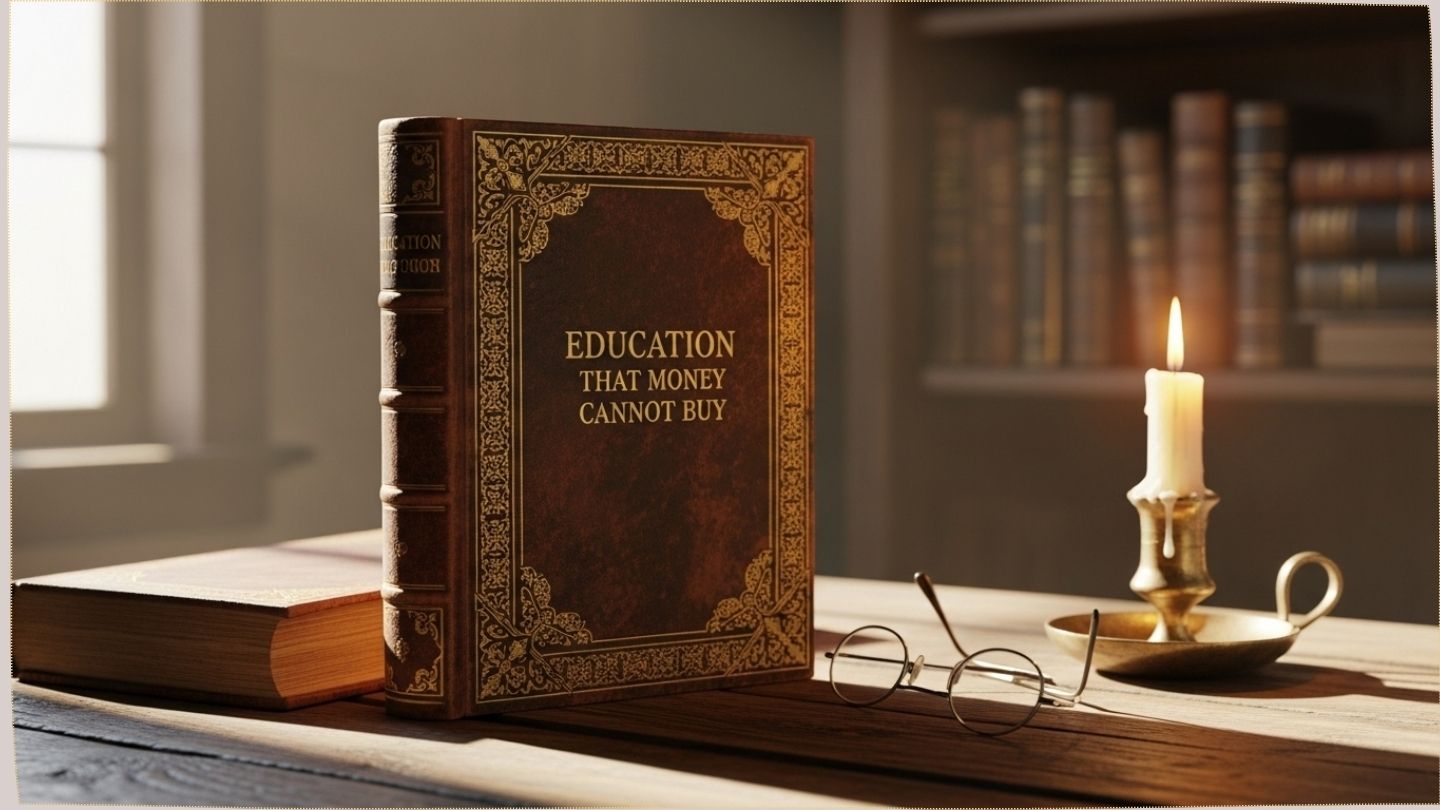
Meaning, Purpose, and Social Responsibility of Education
Education has been interpreted in different ways by different scholars. Along with the development of civilization, people have regarded education as the foundation of a happy and prosperous life. In human life, the acquisition of education has neither a beginning nor an end. Education is a lifelong process.
Receiving education does not mean only obtaining a certificate of higher education from a university. There are many paths and dimensions of education.
Education is not only knowledge of the curriculum; it is a moral responsibility to transform society. In Plato’s words, education is the means to turn the soul toward light. From this enlightened thinking, the mind becomes positive.
Education plays an important role in guiding the path of “tamso ma jyotir gamaya.” In the words of the philosopher Socrates, education is not filling a vessel; it is lighting a fire.
This fire is the curiosity that arises in the mind. Curiosity gives the courage to ask questions and the consciousness to search for truth. In this sense, education can be understood as an awareness-filled key that opens the mind.
Forms of Education and Ways of Learning
There is not a single method for acquiring education. Education is acquired through formal, informal, and irregular processes. The institutions for acquiring formal education are schools, colleges, and universities, whereas informal education includes associations and organizations outside educational institutions.
Education acquired informally also plays a role in the development of a person’s mind, intellect, and thinking. A person also acquires education through mediums such as family, neighbors, community, means of communication, self-study, interaction, discussion, debate, deliberation, observation, and other such processes.
No matter where or how a person acquires education, its main work is to broaden the mind. It is to open the mind. It is to acquire the ability to walk the journey from darkness toward the path of light.
Formal Education and Skilled Human Resources
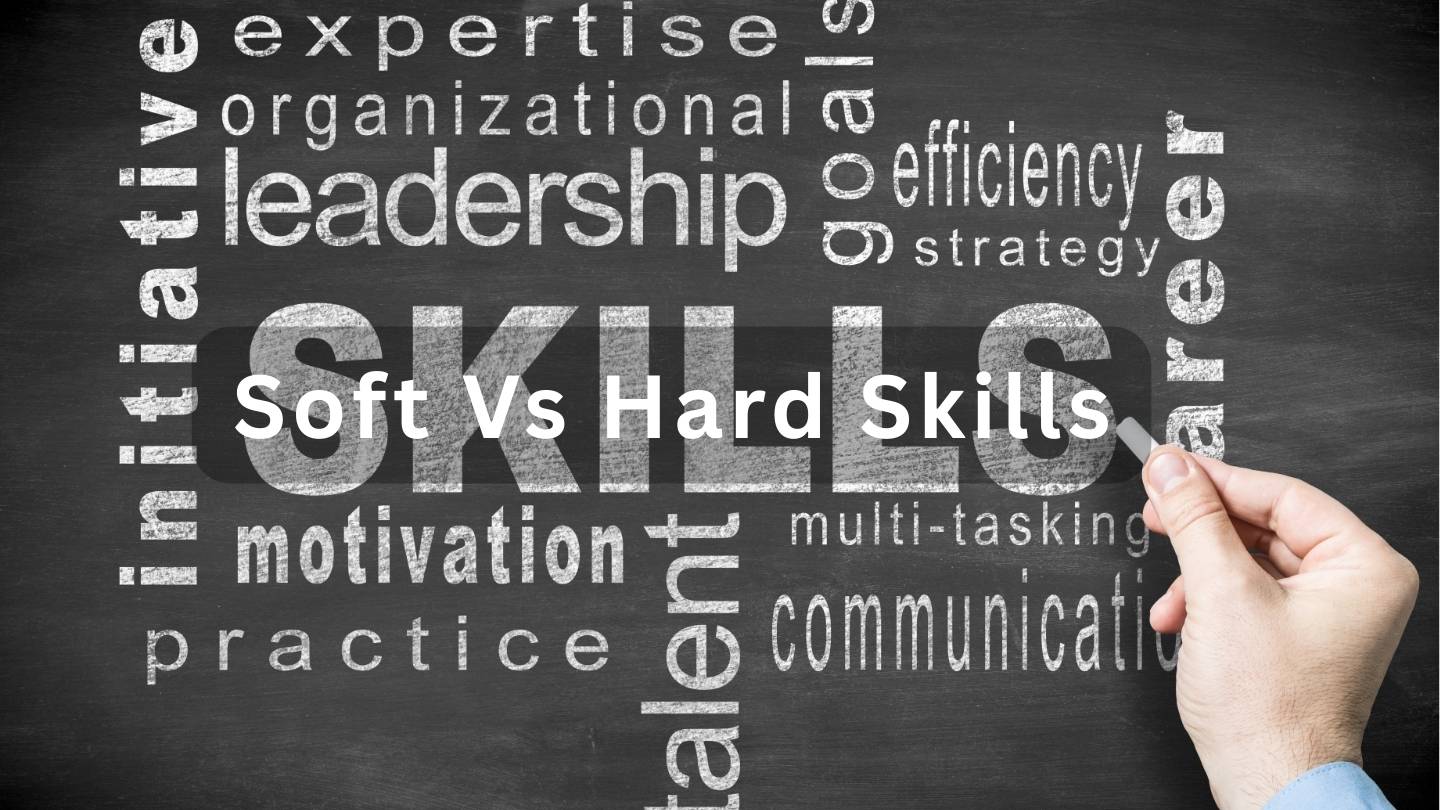
In ancient times, there were no schools and universities. People used to live life based on experiences and learning acquired informally. As society developed, schools were opened. Universities were established. With the formation of modern society, those who studied in schools and universities began to be called educated.
Even if one is trained through knowledge gained from irregular or informal education, in the process of distinguishing between educated and uneducated, the standard of formal education appears to have received recognition.
On what basis does formal education produce skilled human resources in every field? Universities play a specialized role in producing human resources such as doctors, engineers, professors, teachers, lawyers, administrators, scientists, and so on. From this perspective, the importance of formal education for producing skilled human resources is evident.
Education, Character, and Critical Thinking

Education is a source of knowledge. Chanakya says, “Knowledge gives humility; from humility, character is born.” According to Rousseau as well, education is the source of character formation.
The question of character formation is connected with a person’s thinking. Positive thinking makes individuals and society civilized and cultured, whereas negative thinking directs toward criminalization. Education is the storehouse that creates the sense of satyam, shivam, and sundaram. It is the foundation of creative thinking.
Martin Luther says, “The primary work of education is to teach deep and critical thinking.” According to him, without the development of deep thinking, the creation of critical thinking is not possible. From this perspective, education develops in an individual’s mind the broad capacity to view the nation and the world on the basis of merits and faults.
Education as Power and the Ability to Question

Nelson Mandela said that education is the most powerful weapon to change the world. That weapon can be used only when it can open the mind of the educated person. Albert Einstein says, “The ability to question is the soul of education.” The meaning of being able to question is the ability to search for truth on the basis of strengths and weaknesses.
In this way, education develops a critical and analytical outlook. Even though education performs different functions across the dimensions of human life, its main function is to open the human mind. In the process of opening the mind, education helps unleash a person’s inherent talents. Education also has a role in building personality out of a person.
In fact, education is a medium of socialization for children, whereas for youth it is the foundation for acquiring polite, civilized, creative, and professional knowledge and skills.
The Value of Education in Life
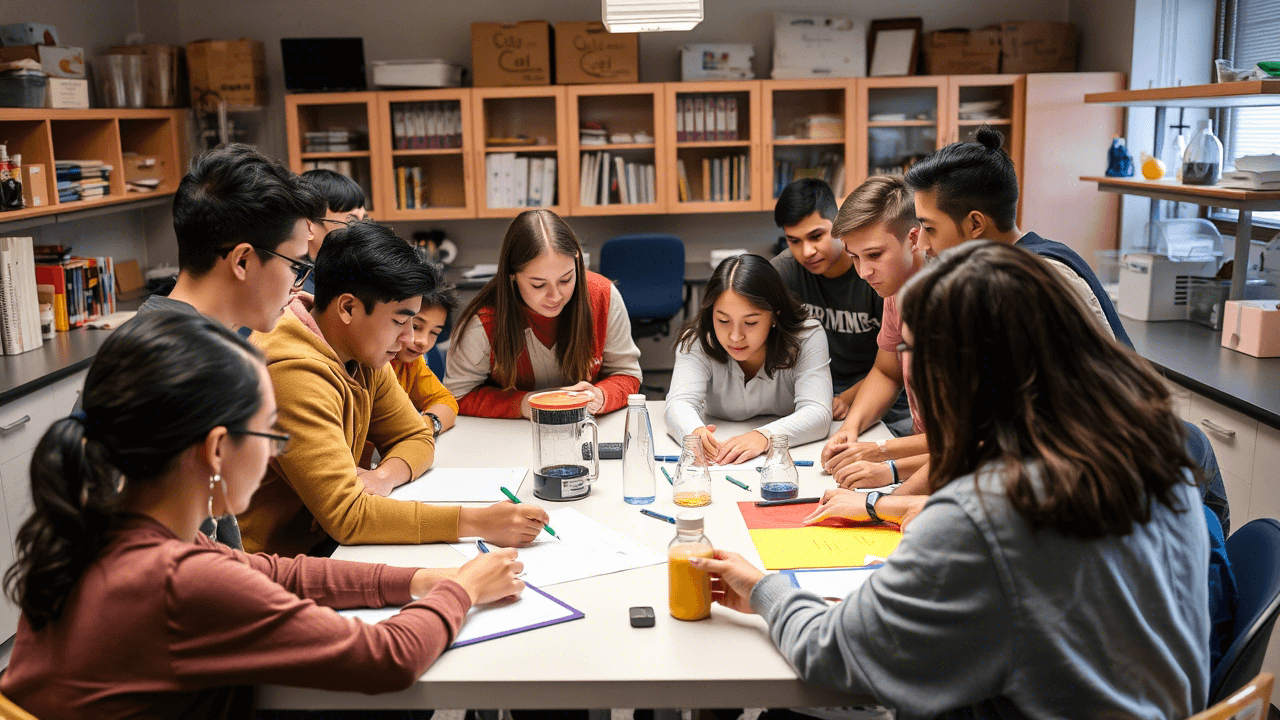
The greatness of education is so profound that it is jewelry for the rich, self-satisfaction for the elderly, and a means of earning for the poor.
Education helps in the overall development of an individual. Education works as a key to develop qualities such as social, moral, intellectual, cultural, spiritual, aesthetic, and emotional qualities.
In Mahatma Gandhi’s words, education brings out fully the good things present in the body, mind, and soul of a child and a person. This means that there are bad things in a person too, but education works like medicine to end bad thinking, conduct, and practices and to build good behavior.
A similar statement to Gandhi’s about education is also made by Victor Hugo. He says, “He who opens the door of a school closes the door of a jail.” This means that education ends criminal thinking and practices in society and plays the role of a light that leads toward development and innovation.
A Concern About Today’s Society
At present, the number of educated people in our society is increasing. However, activities such as discrimination, unrest, conflict, corruption, criminalization, murder, violence, and clashes in relationships appear to be increasing in society. As Gandhi said, society has not been able to experience good character and practices.
Buddha says, “As you think, so you become.” This means that thinking guides a person. From the perspective that our education has not been able to build good character, positive thinking, and crime-free behavior in the way Gandhi, Buddha, and Victor Hugo described, a situation appears to have emerged in which we must reflect seriously.





Comments 0
No comments yet. Be the first to start the conversation.