




Picking a research topic often feels like standing in front of a huge library with no map. You know your deadline, you know the format, yet the topic refuses to settle. The common reasons are simple: the idea is too wide, the question is not clear, the sources are thin, or the project needs data you cannot access.
Topic choice matters for one big reason: it controls waste. A well-known series in The Lancet argued that a large share of biomedical research investment can be lost through avoidable problems across the research process, with an estimate around 85% and a rough figure of $200 billion for 2010 investment. Even outside medicine, the message holds: an unclear topic pushes you into scattered reading and weak design choices, then the project becomes hard to finish and hard to defend.
A good topic does not arrive as a perfect sentence. It gets built. Many academic guides note that early topic changes are normal once you start reading in a focused way. This article gives you a simple framework that turns a fuzzy idea into a workable topic, a clear research question, and a plan you can defend.
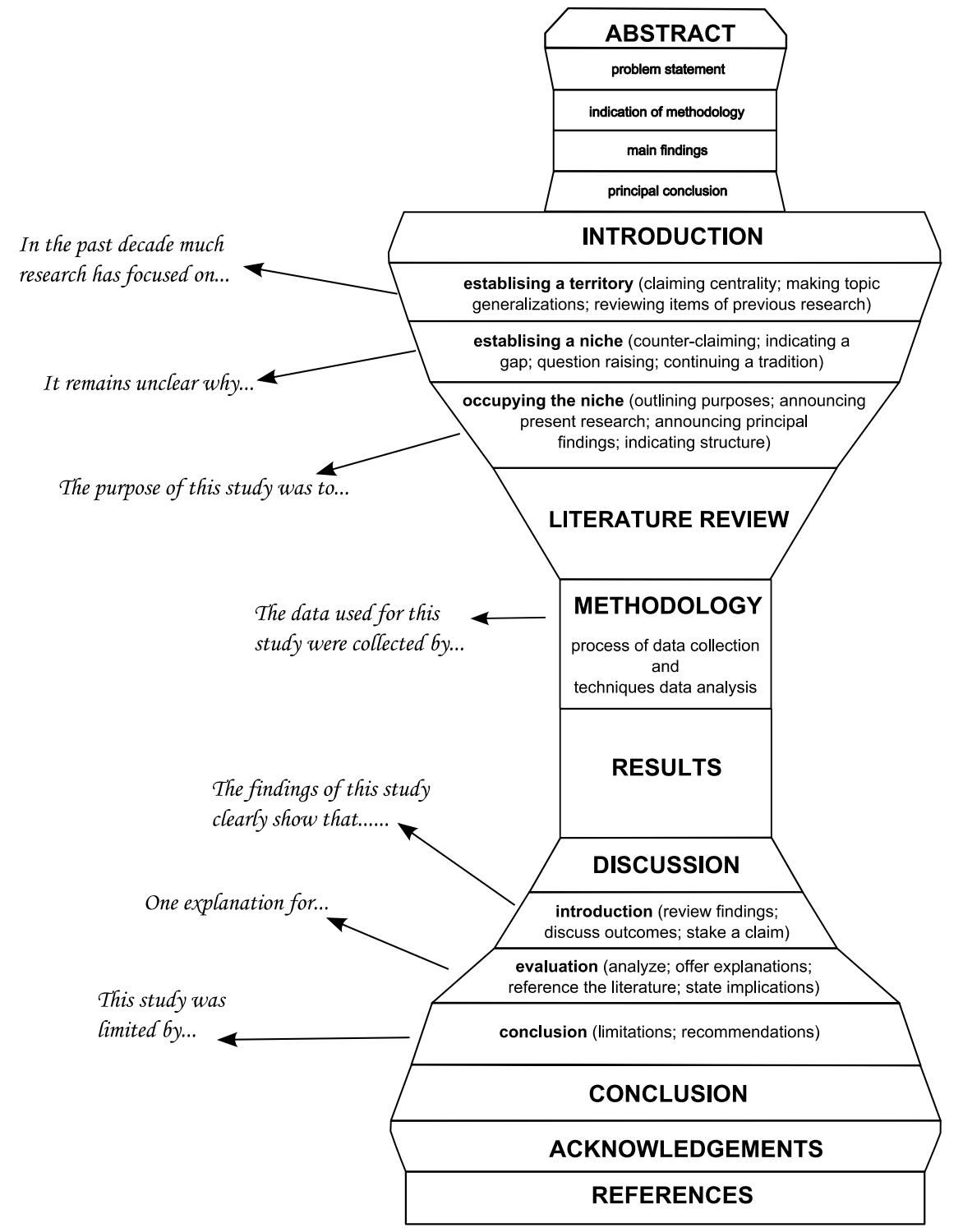
What counts as a research topic
A topic is the area you study. A research question is the focused question that guides what you read, collect, and write. Writing centers describe research questions as clear, open-ended questions that center a project and keep it from turning into an “all-about” paper.
Topic vs research question
-
Topic: “Social media and student learning”
-
Research question: “How does daily short-form video viewing relate to study routines among first-year university students in one campus setting?”
The question gives boundaries. It tells you what belongs in the literature review and what can be left out.
Topic vs research problem
A research problem is the reason the question matters. A classic approach in research writing moves from a broad topic to a focused question, then to a problem that a reader can care about. Your problem statement does not need dramatic language. It needs clarity.

The SIMPLE framework
Use this six-part filter on every topic idea. It keeps you grounded in relevance, feasibility, and ethics.
-
S — Start with a real problem and a real audience
-
I — Investigate fast with a quick scan of the literature
-
M — Match the topic with method, data, and skills
-
P — Pinpoint a gap and your angle
-
L — Limit scope so the project can finish
-
E — Evaluate with FINER and ethics
FINER is a widely used checklist for judging research questions: feasible, interesting, novel, ethical, relevant.
S — Start with a real problem and a real audience
A topic with no real audience tends to drift. A topic with a clear audience stays focused.
Start by naming two items:
-
the setting where the issue shows up
-
the group affected by it
University library guides suggest narrowing by place, time, and population group, which is a practical way to make “who” and “where” concrete.
Write a one-sentence problem statement
Use this template:
-
Group + problem + consequence
Example:
-
“First-year students in online courses report difficulty sustaining study routines, which can affect assignment completion and learning outcomes.”
This statement is not your final topic. It is your starting anchor.
Fast “who cares” check
Ask four short questions:
-
Who is affected?
-
What changes if the issue continues?
-
Who uses the findings: students, teachers, managers, policymakers, researchers?
-
What choice gets easier after your study is done?
If you cannot answer these, refine the group or setting before you spend time searching.
I — Investigate fast with a quick literature scan
Many people read for days, then realize the topic has no clear lane. A quick scan fixes that.
A scoping-study framework describes a structured process: identify the question, identify relevant studies, select studies, chart data, then summarize and report. You can borrow that structure for a short “scan” that takes about an hour.
Run a 60–90 minute scan
Pick two databases or library search tools that fit your field. Then:
-
Search your main terms
-
Skim 20–30 titles and abstracts
-
Save 6–10 sources that look central
-
Write down repeated terms, methods, and themes
This scan answers four practical questions:
-
Is there enough research to build a literature review?
-
What methods are common in this area?
-
What debates or gaps show up across papers?
-
Which keywords keep repeating?
Build a keyword map
Keyword mapping is not a marketing task. It is a research tool. Your terms shape what you can find.
Create three lists:
-
Core terms: the main idea (example: “study routines,” “short-form video”)
-
Synonyms: alternate phrases used by authors (example: “study habits,” “learning routines”)
-
Context terms: place, age group, program level, time period
A simple university guide on search tips suggests narrowing by focusing on a more specific aspect or angle of the topic. Your keyword map gives you those angles on paper.
M — Match your topic to method, data, and skills
A topic can be interesting and still fail on feasibility. Topic selection is partly a logistics decision.
Research design texts stress fit between the research problem, questions, and the design choices you make. If the method cannot answer the question, your project turns into a description with weak conclusions.
Method-fit test
Use these simple matches:
-
Questions about frequency or patterns often need quantitative data (surveys, existing datasets).
-
Questions about reasons, meanings, decisions often need qualitative work (interviews, focus groups, observations).
-
Questions about effects of a change need a design that can compare outcomes with care.
For questions that include a clear “who” and “what changes,” the PICO framework can help you pin down key elements: population, intervention, comparison, outcome. PICO comes from evidence-based practice, yet the structure helps in many applied research settings.
Data access and time check
Write down:
-
Your likely data source (people, documents, datasets, observations)
-
Permission needs (school approval, consent, data-sharing rules)
-
Time needs for collection and analysis
If any item looks unrealistic, narrow the scope or shift to a topic with accessible data.
Think of topic choice like choosing a container for water. A container that is too large spills time. A container that is too small cannot hold enough evidence. The goal is a container that fits your time and tools.
P — Pinpoint a research gap and your angle
A “gap” does not mean nobody has written on the topic. Gaps often look like these:
Common gap types
-
Context gap: research exists, but not in your setting or population
-
Time gap: older studies dominate, with little recent work
-
Method gap: surveys dominate, yet interviews could explain why patterns exist
-
Measure gap: studies use broad measures that miss a key detail
-
Conflict gap: findings disagree across studies
Your scan notes help you spot these patterns.
Turn a gap into a research question
Writing centers recommend keeping research questions open-ended and focused, so your project stays arguable and specific. Try these starters:
-
“How does ___ relate to ___ among ___ in ___?”
-
“What explains ___ in ___ under ___ conditions?”
-
“What factors shape ___ decisions among ___?”
Then tighten the question using one scope lever at a time: place, time, group, or a single key variable.
L — Limit the scope so the project can finish
Scope control is the step that saves students from late-stage panic.
University guides on narrowing a topic suggest limiting by time, place, population group, or a specific aspect of the issue. That advice is simple for a reason: it works across disciplines.
Five scope levers
-
Population: which group, age, role, program level?
-
Place: which region, institution, community, sector?
-
Time: which semester, year range, historical period?
-
Method: which approach fits the question?
-
Focus: which single outcome, factor, or theme?
Use at least two levers.
Example:
-
Broad: “online learning and motivation”
-
Focused: “how weekly quiz frequency relates to perceived motivation in first-year online courses in one institution”
The “enough sources” check
After narrowing, run one more search using your refined keywords. If you cannot find a solid base of credible sources, adjust the angle, broaden one lever, or pick a different focus. Guides on narrowing and broadening warn that a topic that is too narrow often lacks enough research support.
E — Evaluate with FINER and research ethics
This step turns a topic idea into a defensible decision.
FINER checklist
FINER is a practical way to test your question:
-
Feasible: time, access, cost, skills
-
Interesting: you can stay with it for months
-
Novel: adds something new in method, context, data, or focus
-
Ethical: respects participants and data
-
Relevant: matters to a real audience or debate
FINER is widely discussed in research-question guidance.
A useful way to apply FINER is to score each item from 1 to 5. Low feasibility is a warning sign. Low relevance can be fixed by defining the audience and stakes more clearly.
Originality and plagiarism safety
Ethics is not limited to participant consent. It includes intellectual honesty in writing and citation.
COPE’s guidance on plagiarism highlights that plagiarism is not limited to word-for-word copying; it can include presenting others’ ideas, data, or wording as your own without proper acknowledgment. Build protection into your topic selection stage:
-
Keep a source log from day one (author, year, link, key idea).
-
Draft summaries in your own words, then cite the source.
-
Mark direct quotes clearly in your notes so they do not slip into your draft.
This habit protects your credibility and makes your literature review easier to write.
A short worksheet to pick among 3 topic options

Once you have 3 candidate topics, run this quick scorecard.
Scorecard
Score 1–5 for each line:
-
Clarity: one sentence topic statement
-
Evidence base: the scan produced enough credible sources
-
Gap: you can state what is missing or disputed
-
Method fit: your method can answer your question
-
Data access: realistic access and timeline
-
Ethics: consent, privacy, originality
-
Personal commitment: you can spend months with the topic
Pick the highest score with no red flags.
Red-flag list
Stop and revise if any item is true:
-
You need data you cannot access.
-
Your question is yes/no with a short answer.
-
Your keywords produce few credible sources after refinement.
-
The method does not fit the question.
Common mistakes and quick fixes
Mistake 1: Choosing a topic that is “all about” something
A topic like “education and technology” can swallow your semester.
Fix: name the group, setting, and one focus variable. Narrowing guides often recommend limiting by time and population.
Mistake 2: Skipping the quick scan
Skipping the scan can trap you in a topic with thin sources or unclear debates.
Fix: do the 60–90 minute scan and write your keyword map before you settle on a title. Scoping study frameworks show the value of structured searching and selection.
Mistake 3: Picking a question you cannot answer with your method
A survey cannot explain deep reasons. Interviews cannot give population-level prevalence.
Fix: rewrite the question to fit your method, or switch the method to fit the question. Research design texts focus on alignment between questions and design.
Mistake 4: Leaving ethics and originality to the last week
Last-week scrambling increases citation errors.
Fix: keep a clean source log and draft notes in your own words from the start. COPE’s materials give practical guidance for handling and preventing plagiarism problems.
Topic choice by level
Your level shapes how narrow your topic should be and what counts as novelty.
Undergraduate projects
A strong undergraduate research topic is narrow, source-rich, and finishable within the course schedule. Your “gap” can be modest: a clear comparison, a focused case, a small dataset, or a tight literature-based argument supported by credible sources. Narrowing guides for student research push this same idea: limit scope and keep it manageable.
Master’s thesis
A thesis topic needs a clearer method plan and a stronger feasibility check. Research design guidance pushes you to connect your question to your method and data choices. Novelty often comes from a new context, a more precise measure, a more recent dataset, or a mixed-method design that explains patterns.
PhD dissertation
A dissertation topic often starts broad, then tightens through reading and discussion with an advisor. A structured scan helps you see where debates and gaps sit in the literature. Scoping methods describe structured steps that reduce aimless searching. A dissertation still needs feasibility: time, access, ethics, and a plan you can defend.

Conclusion
A good research topic is a decision you can explain. The SIMPLE framework keeps that decision grounded: start with a real problem, scan the literature fast, match method and data, define your gap, narrow scope, then test the final question with FINER and ethics.
Pick three topic options, run the worksheet, and commit to the topic with the strongest score and the fewest risks. That one is the topic you can finish with confidence.
FAQs
How do you choose a research topic with no clear interests?
Start from a setting you know well: a course, a workplace role, a community issue, or a routine process. Draft a one-sentence problem statement, then run a quick scan to see which angles have a strong evidence base.
What is the fastest way to narrow a research topic?
Use scope levers: population, place, time, method, and one focus variable. Many library guides list these same limits as reliable ways to narrow.
How do you know if a research question is strong?
A strong research question is clear, open-ended, and focused enough to guide your reading and writing without turning into an “all-about” paper.
What do you do if you cannot find enough sources?
Refine your keywords using synonyms and related terms from abstracts you already found, then widen one scope lever (time range or setting) without losing focus. Library search tips describe narrowing and broadening through topic angles and terms.
What is the difference between a topic and a research question?
A topic names the area you plan to study. A research question states the focused question that sets boundaries for your literature review, method, and analysis.





Comments 0
No comments yet. Be the first to start the conversation.