



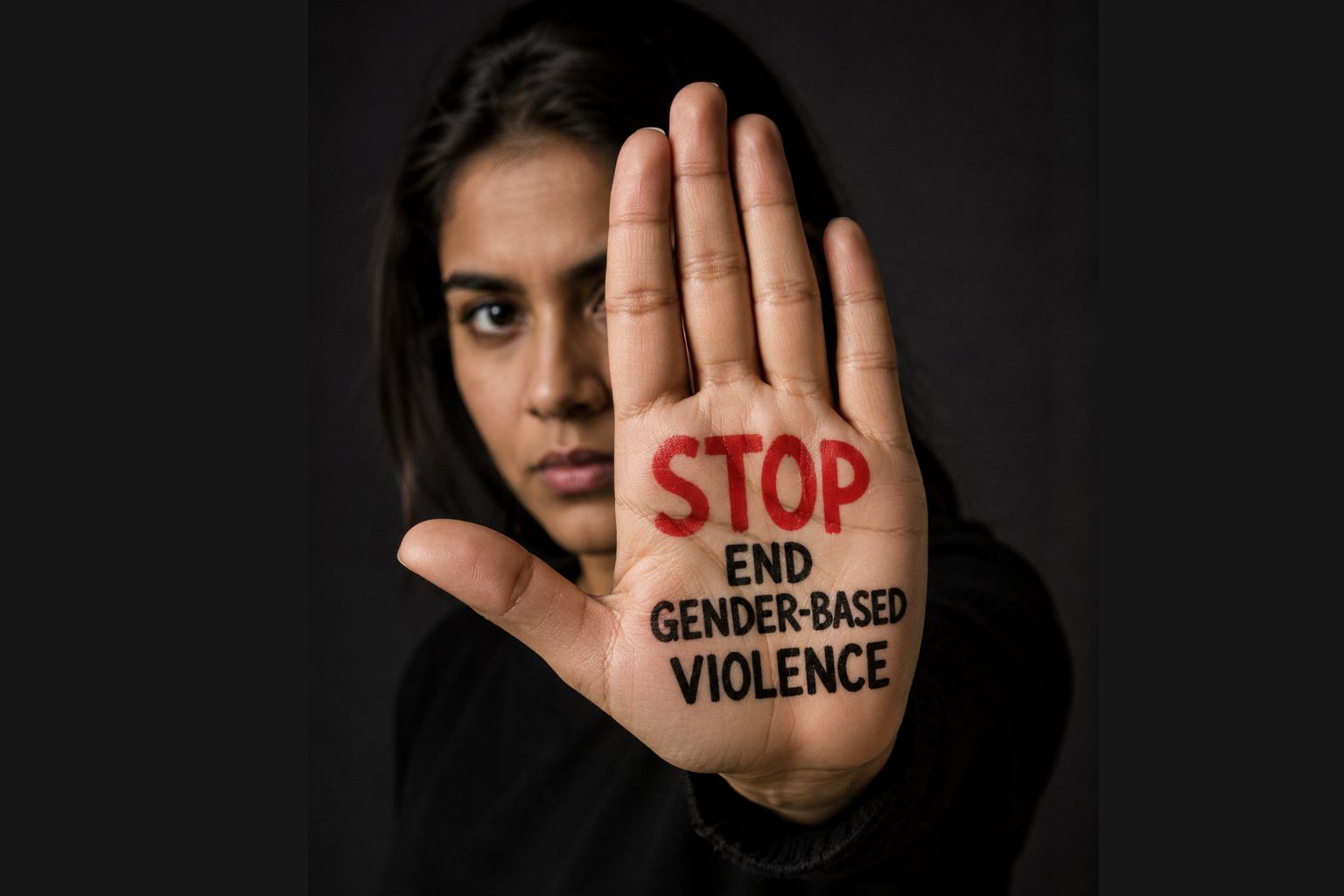
Gender-based violence is a serious human rights, public health, and social justice issue. It includes harmful acts directed at a person because of gender, gender identity, gender roles, or unequal power relations. Although anyone can experience gender-based violence, women and girls are disproportionately affected worldwide. UNFPA notes that gender-based violence is not limited to violence against women and girls, but women and girls face a high burden of such violence globally.
Gender-based violence can occur in homes, schools, workplaces, public spaces, institutions, online platforms, conflict settings, and humanitarian emergencies. It may be physical, sexual, emotional, psychological, economic, digital, or social in nature. Understanding its forms is necessary for prevention, survivor support, legal protection, and long-term social change.
Table of Content
- What Is Gender-Based Violence?
- Common Forms of Gender-Based Violence
- Prevalence of Gender-Based Violence
- Impact on Individuals and Communities
- Why Gender-Based Violence Continues
- Prevention Strategies
- Response and Survivor Support
- Role of Government, Institutions, and Communities
- The Role of Individuals
- Conclusion
What Is Gender-Based Violence?
Gender-based violence refers to harmful acts committed against a person because of gender or unequal power relations. It may involve force, threats, coercion, control, humiliation, deprivation of liberty, or denial of rights. It can happen in private or public life and may be committed by intimate partners, family members, acquaintances, employers, community members, institutions, or strangers.
Gender-based violence is not only an individual problem. It is shaped by social norms, discrimination, unequal access to power, weak accountability, and systems that tolerate or minimize violence.
Common Forms of Gender-Based Violence
| Form | What It Means | Examples |
|---|---|---|
| Physical violence | Use of physical force to harm, control, or intimidate | Hitting, pushing, restraining, or threatening physical harm |
| Sexual violence | Any sexual act, attempt, or pressure without consent | Sexual assault, rape, forced sexual acts, sexual harassment |
| Emotional and psychological violence | Behavior that harms dignity, confidence, safety, or mental well-being | Threats, humiliation, isolation, intimidation, constant control |
| Economic violence | Controlling money, property, work, or access to resources | Taking earnings, blocking work, denying basic financial access |
| Intimate partner violence | Violence or control by a current or former partner | Physical, sexual, emotional, economic, or controlling behavior |
| Domestic violence | Abuse within a family or household relationship | Violence by a spouse, partner, parent, relative, or household member |
| Technology-facilitated violence | Abuse carried out, assisted, or amplified through digital tools | Online harassment, stalking, threats, misuse of images, doxxing |
| Harmful practices | Practices rooted in gender discrimination and social control | Child marriage, forced marriage, dowry-related abuse, female genital mutilation |
| Human trafficking and exploitation | Recruitment, transport, control, or exploitation of people through force, fraud, or coercion | Trafficking for labor, sexual exploitation, or forced services |
| Workplace or school-based violence | Abuse, harassment, or discrimination in learning or work spaces | Harassment, coercion, bullying, retaliation, unsafe environments |
UN Women identifies several forms of violence against women and girls, including physical, sexual, psychological, emotional, and economic violence. UNFPA also recognizes technology-facilitated gender-based violence as violence committed, assisted, aggravated, or amplified through information and communication technologies or digital media on the basis of gender.
Prevalence of Gender-Based Violence
Gender-based violence is widespread across countries and income levels. WHO reports that violence against women, especially intimate partner violence and sexual violence, is a major public health and gender equality problem and a violation of women’s human rights. WHO’s updated fact sheet reports that about one in three women worldwide have experienced physical and/or sexual intimate partner violence or non-partner sexual violence in their lifetime.
This figure does not capture every form of gender-based violence. Many cases are never reported because survivors may fear stigma, retaliation, disbelief, financial insecurity, family pressure, lack of confidentiality, or weak institutional response. As a result, official reports often show only part of the real scale of the problem.
Impact on Individuals and Communities
Gender-based violence can affect a person’s physical health, mental health, education, employment, family relationships, safety, and participation in public life. Survivors may experience injury, fear, trauma, anxiety, depression, social isolation, financial hardship, or interruption of school and work. The impact can continue long after the violence has stopped.
The effects also extend beyond the individual. Families may face emotional and economic stress. Children exposed to violence may experience fear, insecurity, poor school performance, or long-term emotional difficulties. Communities may lose the participation, leadership, productivity, and creativity of people affected by violence.
Gender-based violence also creates public costs. Health systems, legal systems, schools, workplaces, and social services all carry the burden when violence is not prevented or addressed properly.
Why Gender-Based Violence Continues
Gender-based violence continues because of several connected factors:
Unequal Power Relations
Violence often grows from unequal power in relationships, families, workplaces, and institutions. When one person or group has more social, economic, or political power, violence may be used to control others or maintain dominance.
Harmful Gender Norms
Social beliefs about masculinity, femininity, family honor, obedience, silence, or control can normalize abusive behavior. In some communities, survivors may be blamed, while perpetrators may face little accountability.
Economic Dependence
When a survivor depends financially on the person causing harm, leaving or reporting abuse can be difficult. Economic violence can make this dependence worse by limiting access to money, work, documents, land, property, or education.
Weak Legal and Institutional Response
Laws are important, but they must be implemented effectively. Survivors may not receive justice if police, courts, health workers, schools, employers, or local authorities fail to respond safely and fairly.
Stigma and Silence
Many survivors do not report violence because they fear shame, disbelief, retaliation, social exclusion, or harm to family reputation. Silence protects abusive systems and makes prevention harder.
Prevention Strategies
Preventing gender-based violence requires action before harm occurs. It is not enough to respond after violence has happened. The RESPECT Women framework, developed by WHO, UN Women, and partner agencies, provides evidence-based strategies for preventing violence against women. The framework emphasizes areas such as relationship skills, women’s empowerment, services, poverty reduction, safe environments, child and adolescent protection, and transformed social norms.
Effective prevention can include:
-
Promoting gender equality from early education
Schools, families, and communities should teach respect, consent, equality, non-violence, and shared responsibility. -
Challenging harmful norms
Communities need open discussion about stereotypes, victim-blaming, controlling behavior, dowry pressure, child marriage, and other harmful practices. -
Strengthening economic independence
Access to education, skills, decent work, property rights, and financial services can reduce vulnerability and improve choices. -
Creating safe schools, workplaces, and public spaces
Institutions should have clear reporting systems, anti-harassment rules, confidential complaint mechanisms, and accountability procedures. -
Engaging men and boys
Prevention must include men and boys in changing harmful ideas about power, control, masculinity, and violence. -
Improving digital safety
Online platforms, schools, families, and governments should address online harassment, threats, image misuse, stalking, and other forms of technology-facilitated abuse. -
Using reliable data
Governments and organizations need accurate data to understand risk, improve services, track progress, and design prevention programs.
Response and Survivor Support
A proper response to gender-based violence must be survivor-centered. This means the survivor’s safety, dignity, privacy, consent, and choices should guide every step.
Key response measures include:
-
Safe and confidential reporting options
-
Emergency protection where needed
-
Medical care and mental health support
-
Legal aid and access to justice
-
Shelter and safe housing
-
Child protection services where children are affected
-
Financial and livelihood support
-
Protection from retaliation, stigma, and further harm
Survivors should not be blamed or pressured to take any action before they are ready. Support systems should help them understand available options and make informed decisions.
If someone is in immediate danger, they should contact local emergency services, a trusted adult, a nearby health facility, police, or a local protection organization that can respond safely.
Role of Government, Institutions, and Communities
Governments have the responsibility to create and enforce laws, fund support services, protect survivors, prosecute offenders through fair legal processes, and prevent discrimination. Schools, colleges, workplaces, health institutions, media, religious leaders, local governments, and community groups also have important roles.
Institutions should not treat gender-based violence as a private matter. They should create clear policies, train staff, protect complainants, prevent retaliation, and act on reports promptly.
Communities can help by rejecting victim-blaming, supporting survivors, challenging harmful practices, and teaching young people that respect and equality are basic social responsibilities.
The Role of Individuals
Individuals can help prevent gender-based violence by:
-
Treating all people with dignity and respect
-
Speaking against harmful jokes, harassment, and abusive behavior
-
Supporting survivors without blame or pressure
-
Learning about consent, equality, and healthy relationships
-
Reporting unsafe behavior through appropriate channels
-
Encouraging schools, workplaces, and institutions to adopt clear anti-violence policies
Small actions matter when they help change the culture that allows violence to continue.
Conclusion
Gender-based violence takes many forms, including physical, sexual, emotional, psychological, economic, digital, domestic, workplace, school-based, and harmful traditional practices. It affects individuals, families, communities, and societies, and it remains a serious barrier to equality, safety, education, health, and justice.
Preventing and addressing gender-based violence requires more than awareness. It requires strong laws, effective implementation, survivor-centered services, education, economic empowerment, safer institutions, accountable systems, and long-term change in harmful gender norms. A society that does not tolerate gender-based violence is one that protects dignity, equality, and human rights for all.





Comments 0
No comments yet. Be the first to start the conversation.