



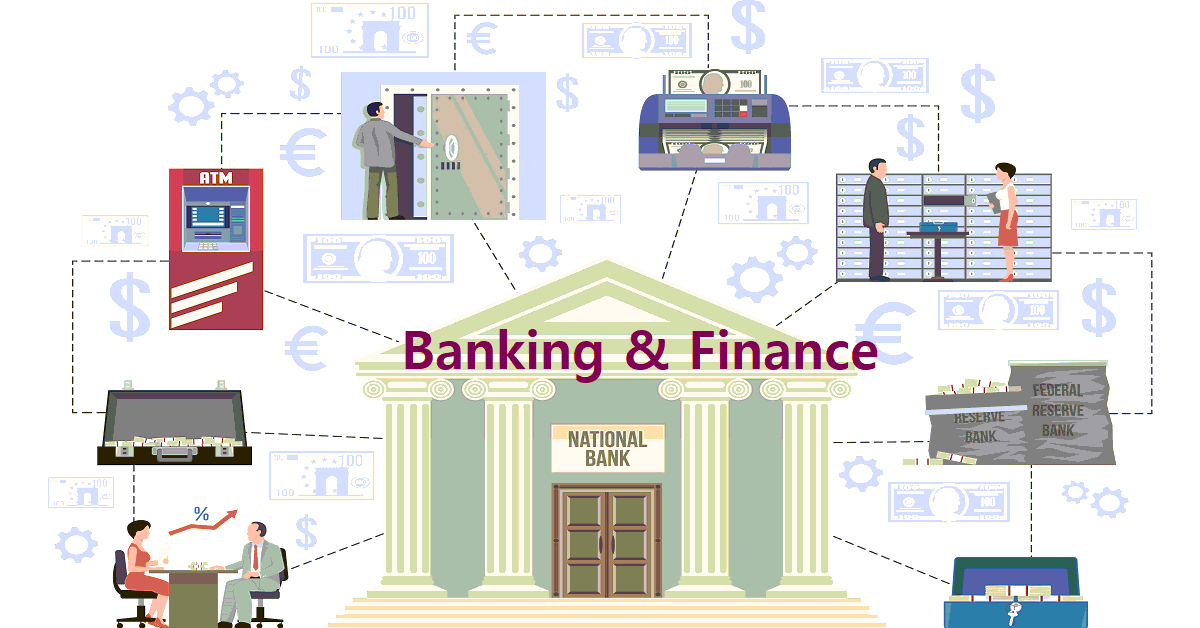
The Essential Role of Banks in Daily Life: Managing Personal Finances and More
Banks are so woven into modern life that it's easy to take them for granted — until you stop and think about how many times a day they quietly make things possible.
Whether you're paying for coffee, transferring money to a friend, or planning for retirement, there's a good chance a bank is involved somewhere in the process. Understanding what banks actually do, and how to use them well, can make a real difference in how confidently you manage your finances.
What Banks Are and What They Do
At their core, banks are financial institutions that accept deposits, lend money, and offer investment options. Think of them as a trusted middleman — they hold onto money from people who want to save it, then make that money available to people and businesses who need to borrow it. That cycle, simple as it sounds, keeps a lot of the economy moving.
Beyond that basic function, banks also provide a safe, regulated place to store your money, give you convenient ways to access it, and help you make it grow over time.
Why Banks Matter for Personal Finance
Managing money well is genuinely hard without a bank. They offer savings and checking accounts that not only keep your money safe but also earn interest over time. When you need to make a large purchase — a car, a home renovation, an unexpected medical bill — banks provide personal loans and credit cards to help bridge the gap.
For those thinking longer term, banks also open the door to investing. Stocks, bonds, mutual funds — many of these are accessible directly through your bank. And if you're not sure where to start, most banks offer financial planning and advisory services to help you set goals and figure out how to reach them.
The Services Banks Offer
The range of what banks provide is broader than most people realize:
Deposit Accounts — Savings accounts, checking accounts, and money market accounts each come with different interest rates and features, so you can choose what fits your needs.
Loans and Credit — From personal loans and lines of credit to credit cards, banks give you options for financing big purchases or handling emergencies without draining your savings.
Investment Options — Stocks, bonds, and mutual funds are available through many banks, making it easier to put your money to work.
Financial Planning and Advice — Banks often provide guidance to help customers make smarter decisions about their money and stay on track toward their goals.
The Real Benefits of Banking
Using banking services well comes with some genuinely useful advantages. Your money is protected — from theft, loss, and even your own worst impulses sometimes. Your savings can earn interest just by sitting there. You have access to credit when you need it, and you can build toward long-term goals through investment accounts. And practically speaking, banking services are available around the clock, so you're not tied to branch hours or physical locations.
How Technology Has Changed Banking
The digital revolution has transformed what banking looks and feels like. What once required a trip to a branch during working hours can now happen in seconds from your phone.
Online banking lets you check balances, transfer money, pay bills, and deposit checks from anywhere. It's quietly eliminated hundreds of small inconveniences that used to eat up people's time.
Mobile banking apps have taken that even further. With features like fingerprint and facial recognition, these apps are both more convenient and more secure than carrying a wallet full of cards. Most things you'd do at a branch — and quite a few things you couldn't — are now a tap away.
Digital wallets like Apple Pay and Google Wallet let you store your card information on your phone and pay without ever pulling out a physical card. Many banks now partner directly with these platforms, so the integration is seamless. The bonus: you can store loyalty cards and coupons right alongside your payment methods.
How Banks Show Up in Your Daily Life
It's worth slowing down for a moment to notice just how often banks touch your routine. Here are some of the clearest examples:
Online and Mobile Banking — No more rushing to a branch before it closes. You can handle almost everything from your phone or laptop, at whatever time works for you.
Credit and Debit Cards — These have largely replaced cash for everyday spending. And when something goes wrong — a lost card or a suspicious charge — your bank makes it relatively straightforward to deal with.
Mortgages and Loans — For most people, buying a home or a car wouldn't be possible without financing. Banks make those milestones accessible by spreading large costs over time, which has genuinely changed what people can achieve financially.
ATM Services — Cash is still useful, and ATMs mean you can get it whenever you need it, not just during business hours.
Investment and Retirement Accounts — 401(k)s, IRAs, mutual funds — banks have made it easier than ever to set aside money for the future and grow it in ways that a regular savings account simply can't match.
Why Financial Literacy Makes All the Difference
Having access to great banking services is one thing — knowing how to use them well is another. Financial literacy, which means understanding how to budget, invest, manage debt, and make sound financial decisions, is what separates people who get the most out of banking from those who don't.
Banks actually invest quite a bit in helping customers here. Many offer financial education courses, online tutorials, and one-on-one planning sessions. The more you understand about the products and services available to you, the better positioned you are to choose the ones that actually align with your goals — and avoid the ones that don't.
Final Thought
Banks are far more than places to park your paycheck. They're the infrastructure behind much of your financial life — enabling purchases, protecting savings, funding goals, and supporting long-term wealth building. The more you understand what they offer and how to evaluate it intelligently, the more confidently you can take charge of your own financial future.







Comments 0
No comments yet. Be the first to start the conversation.