




Earning a counseling degree can prepare you for a career supporting people through personal challenges, emotional difficulties, educational decisions, and important life changes. However, becoming a professional counselor involves more than completing a degree.
Depending on your chosen specialty and where you intend to work, you may also need supervised practical training, professional examinations, and a license or other recognized qualification.
The right educational path depends on whether you want to work in mental health counseling, school counseling, career counseling, or another related field.
This guide explains how to choose a counseling degree, meet admission requirements, complete professional training, understand licensing rules, and prepare for employment.
1. Explore Your Interest in Counseling
Before choosing a counseling degree, consider what attracts you to the profession and what type of work you would find meaningful.
Counseling involves listening carefully, understanding different perspectives, respecting confidentiality, and helping people address concerns within the counselor's professional responsibilities.
Start by exploring the main areas of counseling:
-
Mental health counseling: Supporting people with emotional, behavioral, and mental health concerns.
-
School counseling: Helping students with academic progress, personal development, and educational or career planning.
-
Career counseling: Helping individuals explore occupations, assess career options, and make informed employment decisions.
-
Substance use counseling: Supporting people experiencing substance use problems through appropriate counseling and recovery services.
-
Marriage and family counseling: Working with individuals, couples, and families on relationship and family concerns.
These specialties have different educational and licensing requirements. A qualification suitable for one type of counseling may not qualify you for another.
You can explore the profession by speaking with qualified counselors, attending university information sessions, or volunteering with reputable community organizations in suitable nonclinical roles.
These experiences can help you understand the work before committing to a degree.
2. Understand the Education Requirements
The qualifications needed to become a counselor depend on the type of counseling you intend to provide and the country or state where you plan to practice.
In the United States, professional mental health counselors generally need a master's degree, supervised clinical experience, and state licensure.
The U.S. Bureau of Labor Statistics explains that educational requirements differ across counseling occupations, particularly in substance use and behavioral counseling.
Bachelor's Degree
An undergraduate degree can provide a foundation for further counseling education.
Relevant fields may include psychology, counseling, social work, education, and other social sciences.
Some graduate counseling programs accept applicants from different academic backgrounds, although additional prerequisite courses may be necessary.
A bachelor's degree alone does not normally qualify someone for independent clinical mental health counseling in the United States.
Master's Degree
A master's degree is the standard educational qualification for many professional counseling roles.
Graduate programs typically combine classroom learning with supervised practical experience.
Depending on the specialty, students may study counseling theories, psychological development, mental health assessment, professional ethics, and counseling techniques.
In the United States, the 2024 standards of the Council for Accreditation of Counseling and Related Educational Programs (CACREP) require accredited entry-level counseling programs to include at least 60 graduate semester credits or 90 quarter credits.
This is an accreditation standard, not a universal requirement for every counseling qualification worldwide.
Doctoral Degree
A doctoral degree may be relevant for individuals interested in counseling research, university teaching, counselor education, supervision, or certain advanced professional roles.
It is not generally required for entry into professional mental health counseling in the United States.
Before selecting a degree, confirm the qualifications required by the licensing or regulatory authority in the location where you intend to work.
3. Research and Compare Counseling Programs
Choosing an appropriate counseling program is one of the most important decisions in your education.
A degree should provide the knowledge, practical preparation, and recognized qualifications needed for your intended career.
Begin by comparing universities and colleges that offer programs in your preferred counseling specialty.
Consider the following factors:
-
Accreditation: Check whether the institution and counseling program hold the recognition required for your intended professional pathway.
-
Curriculum: Review the courses and confirm that they cover the knowledge and skills relevant to your specialty.
-
Faculty: Examine the qualifications and professional experience of instructors and supervisors.
-
Practical training: Determine whether the program includes supervised counseling placements.
-
Program duration: Check the expected completion time for full-time and part-time students.
-
Total cost: Compare tuition, additional fees, materials, travel expenses, and practical training costs.
-
Career preparation: Ask how the program supports students preparing for licensing examinations and employment.
In the United States, students can use the official CACREP Accredited Program Directory to check the accreditation status of counseling programs.
Accreditation requirements vary by licensing jurisdiction. A program without CACREP accreditation is not automatically unacceptable everywhere, but its qualifications must satisfy the applicable licensing rules.
Online or Campus-Based Counseling Degrees
Online counseling degrees may provide flexibility for students who work or have other responsibilities.
However, an online program does not necessarily mean that all training can be completed remotely.
Many professional counseling qualifications require supervised practical experience involving direct work with clients.
Before enrolling, confirm where practical placements take place, whether the university helps arrange them, and whether the qualification meets licensing requirements in your intended location.
A program's online delivery format does not replace the need for recognized professional training.
4. Meet the Admission Requirements
Once you have identified suitable programs, review their admission requirements carefully.
Requirements vary depending on the institution, degree level, and counseling specialty.
For a graduate counseling degree, universities may request academic transcripts, proof of a completed undergraduate degree, recommendation letters, and a personal statement.
Some programs also require interviews, prerequisite courses, or evidence of relevant experience.
Prepare a Strong Application
Your application should explain why you want to study counseling and demonstrate that you understand the responsibilities of the profession.
Rather than making broad claims about wanting to help people, describe relevant academic interests, experiences, and professional goals.
You may discuss previous coursework, community involvement, educational activities, or work experience where appropriate.
Be accurate about your qualifications. Do not describe informal support activities as professional counseling experience.
Check each university's document requirements and submission deadlines before applying.
International applicants should also verify language requirements, qualification recognition, and any additional admission conditions.
5. Apply to Suitable Colleges or Universities
After comparing programs and confirming eligibility, prepare your applications.
Choose institutions based on academic suitability, recognized qualifications, affordability, and practical training arrangements rather than reputation alone.
Applying to more than one suitable institution may provide additional options, but each application should be prepared carefully.
Review your personal statement for clarity, grammar, and accuracy. Confirm that all required documents are complete.
Keep a record of submission dates, application fees, interview schedules, and admission decisions.
If you receive more than one offer, compare the full educational requirements and expected costs before accepting.
Most importantly, confirm that the selected degree supports the professional qualification you intend to pursue.
6. Plan Your Education Costs and Financial Aid
Counseling education can involve several expenses beyond tuition.
Depending on the university and program, students may need to pay for textbooks, administrative fees, transportation, professional insurance, practical placements, and licensing examinations.
Prepare a realistic education budget before enrolling.
Explore Available Financial Support
Potential funding sources include institutional scholarships, government assistance, research or teaching assistantships, employer-supported education, and educational loans.
Eligibility depends on the funding provider and the student's circumstances.
For eligible students in the United States, the Free Application for Federal Student Aid (FAFSA) is used to determine eligibility for federal student financial assistance and may also support certain state and institutional aid decisions.
Financial aid options differ between undergraduate and graduate study. For example, federal Pell Grants generally do not cover graduate degree programs.
Students outside the United States should consult their universities and relevant national funding authorities about available support.
Compare borrowing costs and repayment obligations carefully before accepting an educational loan.
7. Complete Your Counseling Coursework
Counseling programs combine theoretical knowledge with the development of practical and professional skills.
The subjects you study will depend on your degree and specialty.
Common areas of learning include counseling theories, human development, communication, mental health, psychological assessment, research methods, and professional ethics.
Students may also learn about cultural differences, disability awareness, confidentiality, professional boundaries, and the responsibilities involved in supporting vulnerable individuals.
Develop Essential Counseling Skills
Effective counseling requires more than understanding academic concepts.
Students need to develop the ability to listen without unnecessary judgment, communicate clearly, recognize professional limitations, and respond appropriately to different situations.
Counseling education also teaches students how to protect confidential information, obtain informed consent, and understand when a client's needs require referral to another qualified professional.
Participating in classroom discussions, supervised exercises, and practical learning activities can help strengthen these abilities.
Time management and consistent study habits are important, particularly when coursework and practical training take place together.
Seek academic guidance when concepts or responsibilities are unclear.
8. Gain Supervised Practical Experience
Supervised practical experience is an essential part of professional counseling preparation.
Many counseling programs require students to complete a practicum, an internship, or both.
A practicum generally introduces students to supervised counseling activities and helps them apply classroom learning.
An internship provides further opportunities to develop professional skills in an approved setting.
These experiences may take place in schools, counseling centers, community organizations, or other suitable institutions, depending on the program.
Understand Supervision Requirements
Clinical placements must follow the rules of the educational program and relevant regulatory authorities.
In CACREP-accredited entry-level programs, the 2024 standards include supervised practicum and internship requirements, with minimum training hours and direct client experience.
Students should confirm the applicable requirements with their university rather than assuming that all programs follow the same structure.
Qualified supervision helps students receive feedback, improve their skills, and learn how to manage professional responsibilities appropriately.
Volunteer work may provide useful exposure to community services, but it does not automatically count toward required supervised clinical hours.
Students should only undertake counseling activities within their authorized training responsibilities and under the required supervision.
9. Prepare for Professional Licensure or Certification
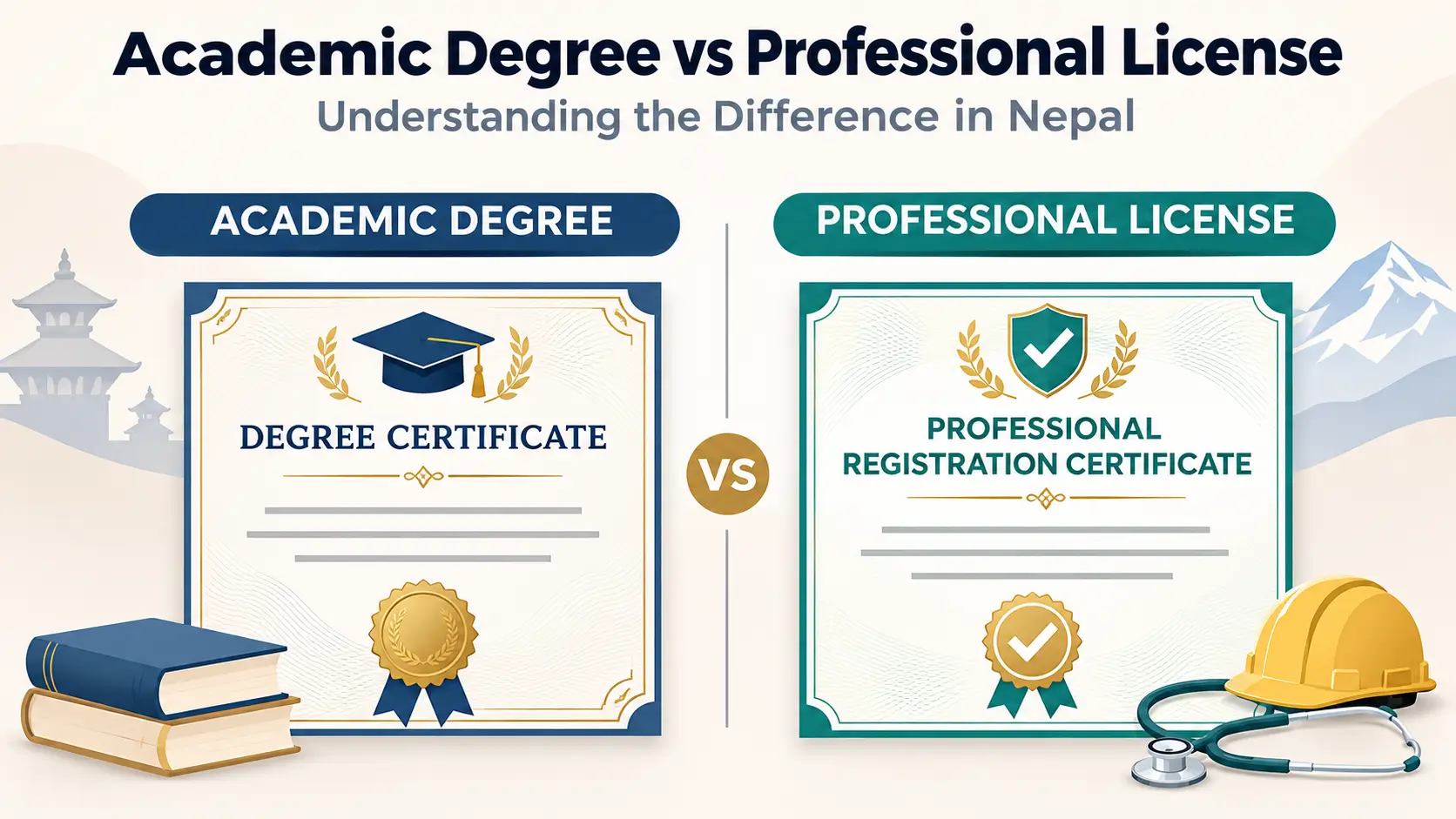
Completing a counseling degree is an important academic achievement, but it does not automatically authorize independent professional practice.
Many counseling roles require a license, professional registration, or certification.
Requirements differ according to the profession and the location where the counselor intends to work.
Check the Licensing Requirements
In the United States, applicants seeking professional counselor licensure must follow the requirements established by their state licensing board.
Depending on the state and license category, the process may include completing an eligible graduate degree, passing an approved examination, and documenting supervised professional experience.
Some states require additional supervised experience after graduation.
The National Board for Certified Counselors (NBCC) provides information about counselor licensing examinations, including the National Counselor Examination (NCE) and the National Clinical Mental Health Counseling Examination (NCMHCE).
The examination required depends on the licensing jurisdiction.
School counseling has a different professional qualification pathway in many locations.
According to the American School Counselor Association, school counselors in the United States generally need a master's degree in school counseling and must meet state certification or licensing requirements.
Outside the United States, applicants should consult the relevant national or regional professional authority.
Do not assume that a counseling degree, examination result, or license issued in one jurisdiction will automatically be accepted in another.
10. Graduate and Prepare for Employment
After completing your degree and meeting the professional requirements for your intended role, you can begin exploring relevant employment opportunities.
Career options depend on your counseling specialty, qualifications, experience, and professional authorization.
Potential workplaces may include educational institutions, community health organizations, mental health services, rehabilitation services, and career guidance centers.
Some positions require additional training or specific professional credentials.
Build Professional Connections
University instructors, placement supervisors, classmates, and professional counseling associations can provide useful information about employment opportunities and continuing education.
Professional events and training programs may also help you understand developments in counseling practice.
When applying for positions, prepare an accurate resume that explains your education, supervised training, relevant skills, and professional credentials.
Clearly distinguish completed qualifications from licenses or certifications that are still pending.
Networking can support career development, but employment opportunities depend on the requirements of individual positions and employers.
11. Continue Learning After Graduation
Professional learning does not end when you receive your degree or license.
Counselors need to maintain current knowledge of ethical responsibilities, relevant research, appropriate counseling methods, and legal requirements.
Some licensing authorities require continuing education or professional development for license renewal.
Counselors may also pursue additional training in areas related to their approved scope of practice.
Professional supervision, peer consultation, and further education can help counselors examine difficult situations, recognize limitations, and improve their work.
Maintaining confidentiality and professional boundaries remains important throughout a counseling career.
Common Mistakes to Avoid When Choosing a Counseling Degree
Several avoidable mistakes can create problems during counseling education or professional qualification.
Choosing a degree without checking licensing requirements: A program may offer relevant academic content without meeting the requirements for your intended professional license.
Assuming every counseling specialty follows the same pathway: Clinical mental health counseling, school counseling, career counseling, and substance use counseling can have different qualification requirements.
Overlooking practical training arrangements: Students should understand how approved placements and supervision will be provided before enrolling.
Comparing tuition alone: Additional academic expenses, placement requirements, and professional qualification costs can affect the overall cost of education.
Assuming graduation permits independent practice: A degree and a professional license are separate qualifications where licensing is required.
Addressing these issues early can help you make a more informed educational decision.
Final Thoughts
Earning a counseling degree requires careful planning, academic commitment, supervised practical experience, and an understanding of professional responsibilities.
The most important decision is choosing an educational program that matches both your counseling interests and the qualification requirements in the location where you intend to work.
Before enrolling, verify the program's recognition, curriculum, practical training arrangements, total cost, and relationship to professional licensing.
With appropriate education, supervised experience, and professional authorization, graduates can pursue counseling roles that support individuals, families, students, and communities.
A successful counseling career begins with choosing the right qualification and understanding the responsibilities that come with it.




Comments 0
No comments yet. Be the first to start the conversation.