



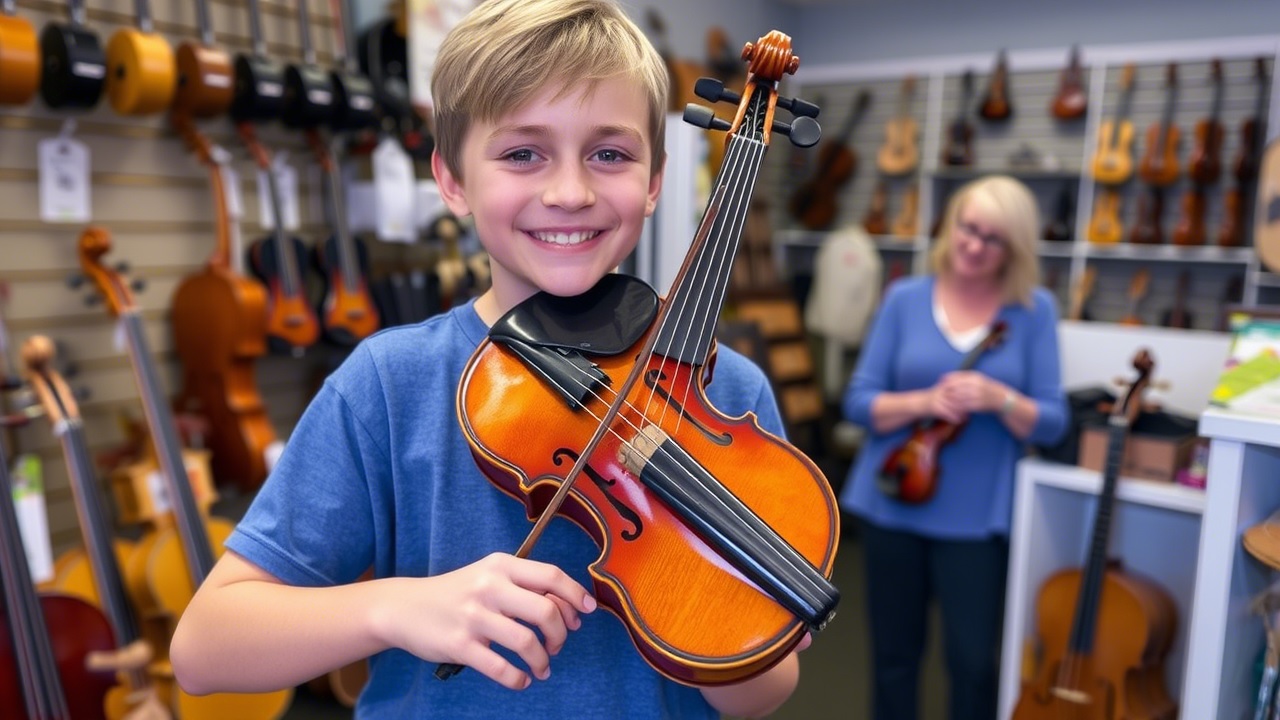
Choosing a first violin can be confusing. Instruments are available at widely different prices, and a beginner may not know which differences affect learning. That is why some music teachers recommend starting with an affordable student violin or a rented instrument instead of making an expensive purchase immediately.
The advice is not to buy the cheapest violin available. A poorly made or incorrectly adjusted instrument can be difficult to tune, uncomfortable to hold, and frustrating to play. A suitable beginner violin needs to fit the student, stay reasonably in tune, and respond well enough for basic technique.
For students and families, the useful question is not how little they can spend. It is how to obtain a playable violin while keeping the financial commitment manageable.
Why Beginners Usually Do Not Need an Expensive Violin
New violinists spend their early lessons learning posture, bow control, finger placement, listening, and rhythm. These are demanding skills, but learning them does not normally require a professional-level instrument.
A well-prepared student violin allows beginners to practice drawing a consistent sound, changing strings, and placing fingers accurately. More costly instruments may offer differences in tone, response, and workmanship. A new player, however, may not yet have the experience to evaluate those differences or decide which qualities they prefer.
Budget matters as well. The initial cost of an instrument is only one part of learning. Lessons, accessories, replacement strings, maintenance, and possible size changes can all affect the total expense.
Teachers do not universally recommend inexpensive violins. Some advise families to purchase the strongest instrument their budget permits; others prefer renting initially. The common principle is that an instrument should help the student learn rather than become an obstacle.
Affordable Does Not Mean Poor Quality
The word cheap can describe a low price, but it can also suggest poor construction. For a first violin, those ideas need to be separated.
An affordable student violin should be functional, comfortable, and prepared for playing. A deeply discounted instrument that needs substantial repair may cost more overall than a better-prepared rental or purchase.
In the American String Teacher article How to Choose a String Instrument: FAQs for Teachers, Students, and Parents, violin educator Barbara Barber emphasizes correct sizing, professional setup, suitable accessories, and guidance from teachers and specialist dealers. Price alone is not a dependable measure of a student's needs.
Professional Setup Matters
A violin's setup refers to adjustments that affect how it plays. A trained violin technician, often called a luthier, may check the bridge, strings, tuning pegs, fingerboard, and related components.
An incorrectly positioned bridge, excessively high strings, or pegs that slip can interfere with practice. Beginners may mistake these problems for weaknesses in their technique.
Before an instrument is rented or purchased, check whether a qualified person has prepared it and whether adjustments or repairs are included. A seller describing an instrument as “ready to play” should be able to explain what has been checked.
The Correct Size Matters More Than Price
Violins are available in smaller sizes for children and a full size, commonly marked 4/4. The correct size depends on the player's reach and comfort, not age alone.
An oversized violin may make it harder to support the instrument and reach notes without strain. Buying a larger size for a child to “grow into” is not a reliable saving.
The Australian Music Association's guide to bowed string instruments advises families to ask a teacher or specialist shop for sizing assistance. The student should try holding the violin before a purchase where possible.
The Bow and Accessories Matter Too
A student needs more than the violin itself. A suitable bow, protective case, and rosin are basic parts of a starter outfit. Some students also use a shoulder rest or pad recommended by their teacher.
Check what a rental or purchase includes. A low advertised instrument price can become less attractive if essential accessories must be bought separately.
The bow should be appropriate for the instrument's size and manageable for the student. A damaged or poorly functioning bow can make sound production harder, even when the violin itself is suitable.
Why Renting Can Be Better Than Buying
Renting is particularly useful for children who are likely to move through different violin sizes. Instead of buying an instrument every time the student grows, a family may be able to exchange it through a rental program.
Renting can also provide time to discover whether the student enjoys learning before purchasing an instrument. A reputable provider may include maintenance or adjustments, although terms vary.
The 92nd Street Y School of Music's instrument guide recommends considering rentals for beginners, especially growing children. It advises checking the availability of repairs, size exchanges, and whether rental payments count toward a purchase.
Before signing an agreement, ask about monthly fees, minimum terms, deposits, damage coverage, and the return process. Compare the full cost over the intended rental period with the cost of buying.
Renting is not automatically cheaper in the long term. A student who has reached a stable size and expects to continue playing may find purchasing more suitable.
How to Choose a Beginner Violin
A useful selection process focuses on the student's needs rather than a specific price tag.
-
Ask the teacher first. Find out which size and type of instrument suits the student's lessons. If classes have not begun, ask a qualified string teacher or specialist shop for advice.
-
Set a complete budget. Include the violin, bow, case, accessories, setup, and foreseeable maintenance.
-
Try the instrument. Check whether the student can hold it comfortably and whether an experienced player can demonstrate its sound.
-
Check tuning and condition. Look for pegs that turn smoothly, a properly fitted bridge, usable strings, and visible damage that needs professional assessment.
-
Compare support after purchase. Ask about repairs, returns, size exchanges, warranties, and trade-in arrangements.
An online listing may not reveal whether an instrument is correctly fitted or set up. If buying remotely, review the return conditions and arrange an inspection by a teacher or technician where practical.
When Should a Student Upgrade?
An upgrade should follow a practical need, not an arbitrary number of months or years. A student may have outgrown a fractional-size violin or developed enough control to notice limits in tone, response, or projection.
A teacher can help assess whether a different instrument would address those limits. Sometimes new strings, an adjustment, or a better bow may be more appropriate than replacing the entire violin.
When comparing instruments, students should try them in a familiar setting if possible and consider comfort alongside sound. A higher price does not guarantee that one violin will suit every player.
Families should also check whether a rental or purchase agreement offers a size exchange or trade-in credit. These provisions depend on the seller.
Simple Care Habits for a First Violin
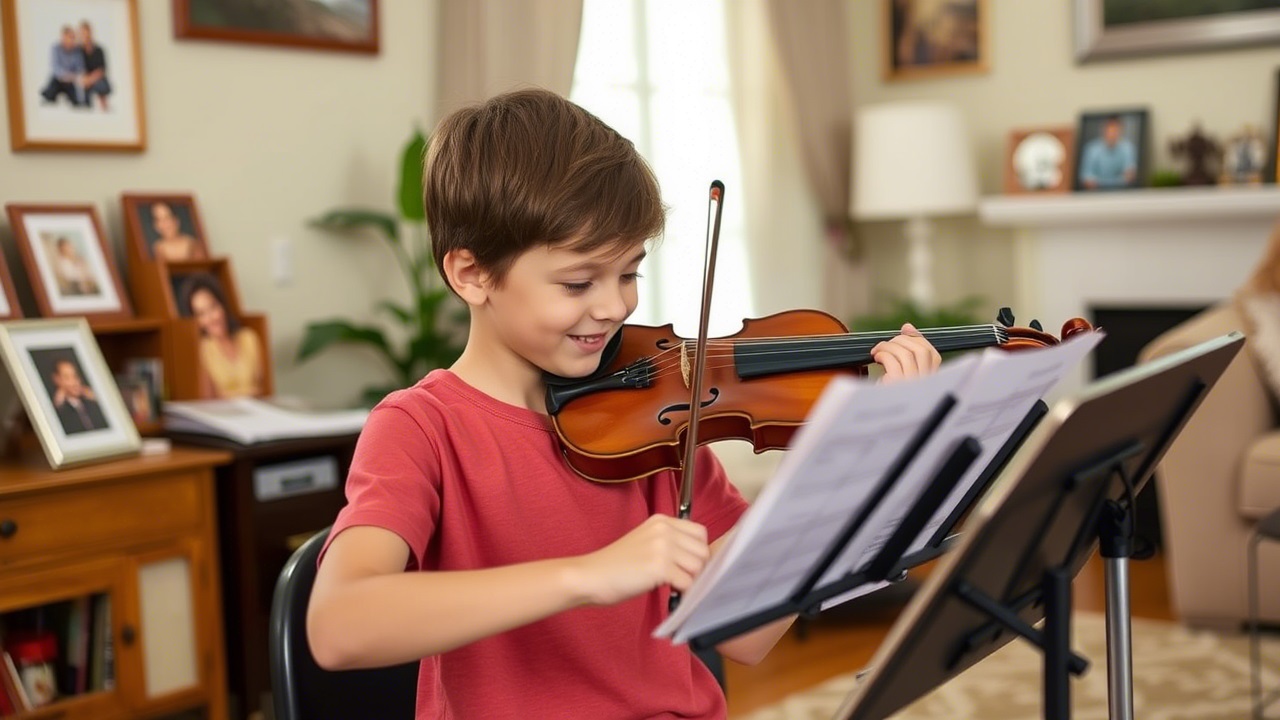
Affordable instruments still need appropriate care. Regular maintenance helps protect the violin and reduces avoidable problems during lessons.
After playing, wipe rosin dust from the strings and instrument with a soft, dry cloth. Loosen the bow hair before storing the bow, and return the violin to its protective case. Keep the case away from direct heat, sunlight, and extreme changes in temperature or humidity.
Yamaha's violin maintenance guidance recommends routine cleaning and careful storage, and its bow-care instructions explain why hair tension should be released after use.
If a peg slips repeatedly, the bridge shifts, or a part becomes loose, ask a teacher or violin technician for help rather than forcing an adjustment. Students should learn routine care without attempting repairs beyond their training.
Common Mistakes When Choosing a Low-Cost Violin
The main mistake is treating the lowest advertised price as the deciding factor. Other avoidable problems include selecting a violin that is too large, assuming every instrument arrives professionally prepared, or overlooking the cost of its bow and case.
It is also unhelpful to expect an expensive violin to make the early stages of learning easy. Clear instruction and suitable practice are still necessary.
Conversely, a student should not be expected to tolerate an instrument that will not stay in tune or produces an unreliable response. A persistent equipment problem deserves attention before it is blamed on the learner.
Conclusion
The reason to consider an affordable beginner violin is practical: students can learn fundamental skills without an unnecessary financial commitment. The instrument still needs to fit, function properly, and support regular practice.
Teachers may recommend renting, buying an entry-level violin, or choosing a higher-quality student instrument depending on the learner and the family's budget. The soundest decision is the one that provides reliable equipment and leaves room for lessons, maintenance, and future needs.



Comments 0
No comments yet. Be the first to start the conversation.