




IOE Entrance: BE & B.Arch Admission, Seats, and Scholarship Quotas
When we talk about technical education in Nepal—especially engineering—“Institute of Engineering” (IOE) is widely treated as a benchmark of excellence. For many science students, entering through the Pulchowk Campus gate is a dream.
But can you secure a seat at Pulchowk or other constituent campuses only by dreaming big or memorizing textbooks?
As an expert who has closely observed this field for two decades and followed the ups and downs of thousands of students, I can say this clearly—IOE’s entrance exam is not only a game of “hard work.” It is a combination of “strategy” and “correct information.”
In this detailed guide, we will discuss IOE’s structure, seat availability, the complexity of reservation quotas, and key parts of the admission process that are usually not explained in brochures.

IOE’s Prestige and Historical Background
The Institute of Engineering (IOE) was established in B.S. 1987 as a “Technical School.” Over time, it established itself as an important arm of Tribhuvan University.
Today, IOE has:
-
5 constituent campuses
-
10 affiliated campuses
The first thing students must understand is this: even though the curriculum and examinations are the same across constituent and affiliated campuses, the study environment and fee structure can be vastly different.
This guide will help you make a grounded decision on which campus to choose and why.
Entrance Exam Nature: A Strategic Challenge
IOE conducts a Computer Based Test (CBT), considered one of the toughest exams in Nepal.
-
Total marks: 140
-
Time: 2 hours
Subject weightage:
-
Mathematics: 50 marks (the most important pillar)
-
Physics: 45 marks
-
Chemistry: 25 marks
-
English: 20 marks
Problem: Many students focus only on “theory,” but IOE’s question set tests application skills and time management.
Since negative marking (10%) applies, even a small mistake can push your rank thousands of positions behind.
Constituent Campuses and Available Seats
Since the government invests in the 5 constituent campuses, fees are lower and scholarship facilities are stronger there.
a) Pulchowk Campus, Lalitpur
This is often considered Nepal’s top engineering college. Getting admission here is similar to being within the country’s top 800.
Seat details: Competition is the highest here across Civil, Computer, Electronics, Electrical, Mechanical, and Architecture.
Special point: Studying under the “Regular” quota here is almost like a full scholarship.
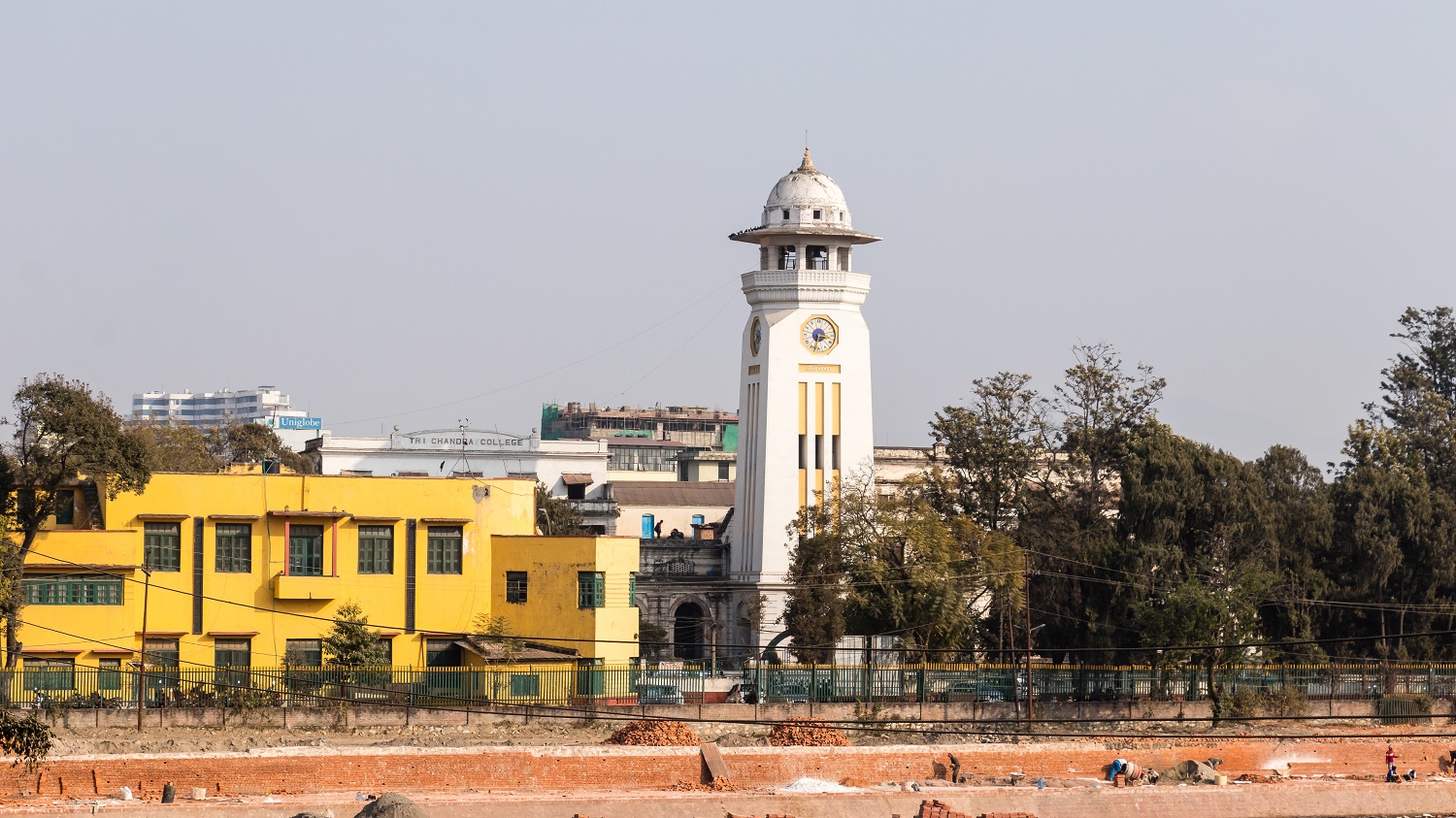
b) Thapathali Campus, Kathmandu
Located in the heart of Kathmandu, this campus is well known for Mechanical and Automobile Engineering. Its standards are also notably high in Civil and Architecture.
c) Paschimanchal Campus (WRC), Pokhara
This campus in Pokhara is known for Geomatics and Communication Engineering. Its geographic setting is considered highly suitable for study.
d) Purwanchal Campus (ERC), Dharan
Popular among students from eastern Nepal, this campus has seen growing interest in Computer and Agricultural Engineering in recent years.
e) Chitwan Engineering Campus, Rampur
This is a newly operated campus, where teaching and learning are offered in limited disciplines.
Scholarship and Reservation Quota
This section is the most complex and most important. Many capable students fail to benefit from quotas simply due to lack of information.
IOE provides two types of seats:
-
Regular: Students pay only minimal tuition fees
-
Full Fee: Students pay the full prescribed fee
New inclusion policy (reservation system): In recent years, based on Nepal Government’s inclusion policy, IOE has reserved a fixed percentage of seats under specific categories, including:
-
Women quota: Seats are secured for women in each faculty
-
Adivasi/Janajati: For communities listed by the Government of Nepal
-
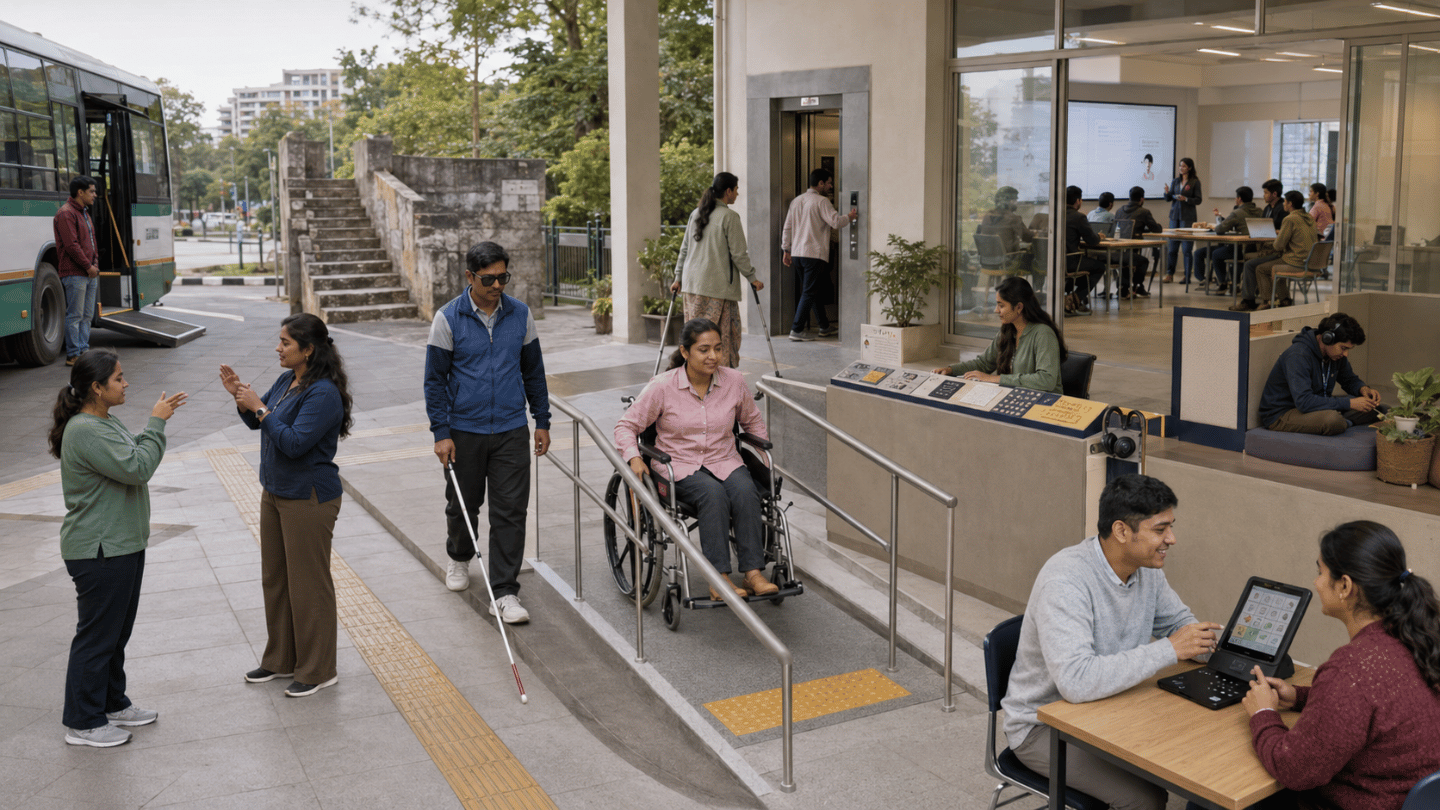
Madhesi/Dalit/Persons with disabilities: Based on special certification
-
Backward region: Students from remote districts under government classification
-
Public school quota: A major step that prioritizes students who completed SEE and +2 (Grade 12) from public schools
Expert Tip
If you are claiming a reservation quota, prepare all required legal documents and recommendation letters before filling the entrance form. Missing even a single tick while applying can cost you a major opportunity.
Admission Procedure and Online Priority Form
After the entrance result is published, the real process begins. Students must fill a “counselling” or “priority list.”
Real-world problem: Many students choose only colleges above their rank, and later their name does not appear anywhere.
Solution:
-
Check the previous year’s cut-off rank based on your score
-
Always keep three options:
-
one you want,
-
one you can realistically get,
-
one as a safety option
-
BE and B.Arch Disciplines: How to Choose?
Is only “Civil” the best? Based on 22 years of experience—the market for “Computer” and “Artificial Intelligence (AI)” is growing right now. However, the foundation of engineering still rests strongly on Civil and Electrical.
Discipline overview:
-
Civil Engineering: Demand remains steady in a country developing its infrastructure
-
Computer Engineering: Suitable for those aiming for opportunities in the global market
-
B.Arch (Architecture): Best for those with creativity and design skills; it also includes a drawing test
-
Automobile & Mechanical: Suitable for students interested in new technology and machinery
Cost Analysis and ROI
In a government campus (Regular), a 4-year course can be completed in around 30–50 thousand. Under Full Fee, it may cost 5 to 7 lakh.
However, in affiliated colleges, the cost can reach 10 to 15 lakh.
The key factor here is “Return on Investment (ROI).” The networking and brand value you receive in government campuses cannot be measured only in money.
Strategic Tips for Success
After speaking with thousands of toppers, one common point stands out: none of them studied 20 hours a day. Instead, they focused on smart work.
-
Mock Tests: Take at least 20 online mock tests to improve speed and accuracy
-
Syllabus Analysis: Track the old syllabus and recent updates; objective questions cannot be solved without conceptual clarity
-
Health and confidence: Do not make the mistake of skipping sleep the night before the exam—this is a brain game, and the mind needs rest
Is It Wise to Join an Affiliated College?
A common question is: What if you do not get admission in a government campus?
Nepal’s private colleges (such as Kantipur, KEC, Himalayan, etc.) also offer strong academic quality. If you are financially capable and do not want to waste time, choosing a private college with good faculty can be a wise decision.
Since the degree is issued under Tribhuvan University, there is no discrimination on that basis.
IOE Affiliated Private Colleges
Private colleges have contributed more than 60% to Nepal’s engineering workforce production.
Below are the details:
1) Kathmandu Engineering College (KEC), Kalimati
Located in Kalimati, Kathmandu, this college is often a top choice in the private sector.
Programs offered:
-
Civil
-
Computer
-
Electronics and Communication
-
Electrical
-
B.Arch (Architecture)
Key feature: Its academic record and student results are comparable to constituent campuses. Due to its urban location, students find it easier to access part-time jobs and internships.
2) Kantipur Engineering College, Dhapakhel, Lalitpur
This college is known for its peaceful environment and wide campus.
Programs offered:
-
Civil
-
Computer
-
Electronics and Communication
Key feature: The college in Dhapakhel, Lalitpur is found to place stronger emphasis on research and project work.
3) Advanced College of Engineering and Management, Kalopul/Kupandol
Programs offered:
-
Civil
-
Computer
-
Electronics and Communication
-
Electrical
Key feature: The college maintains strong coordination with the corporate sector, supporting job opportunities for Computer and Electronics students.
4) Himalaya College of Engineering, Chyasal, Lalitpur
Programs offered:
-
Civil
-
Computer
-
Electronics and Communication
-
B.Arch (Architecture)
Key feature: Considered strong especially for Architecture and Civil Engineering. Its management team includes experienced professors.
5) National College of Engineering (NCE), Talchhikhel, Lalitpur
Programs offered:
-
Civil
-
Computer
-
Electronics and Communication
-
Electrical
Key feature: The college claims to prioritize practical training alongside theoretical knowledge. Its physical infrastructure is organized.
6) Kathford International College of Engineering and Management, Balkumari, Lalitpur
Programs offered:
-
Civil
-
Computer
-
Electronics and Communication
Key feature: The college is active in personality development (soft skills) and extracurricular activities.
7) Janakpur Engineering College, Kupandol, Lalitpur
Note: Although the name is Janakpur, this college currently operates in Kupandol, Lalitpur.
Programs offered:
-
Civil
-
Computer
-
Electronics and Communication
Key feature: Limited seat numbers and the capacity to provide individual attention.
8) Sagarmatha Engineering College, Sanepa, Lalitpur
Programs offered:
-
Civil
-
Computer
-
Electronics and Communication
Key feature: Located in a quiet area of Sanepa, the college invests in quality labs and library facilities.
9) Lumbini Engineering, Management and Science College, Bhalwari, Rupandehi
Programs offered:
-
Civil
-
Computer
-
Electronics
-
Electrical
Key feature: One of the few reputable IOE-affiliated colleges outside Kathmandu. It is an excellent option for students from western Nepal.
10) Khwopa College of Engineering, Livali, Bhaktapur
Special note: This college is operated by Bhaktapur Municipality.
Programs offered:
-
Civil
-
Computer
-
Electrical
-
B.Arch (Architecture)
Key feature: Since it runs on a non-profit model compared to other private colleges, its fees are much lower than private colleges and slightly higher than government campuses. It is a source of pride for Bhaktapur and is known for discipline.
Important Points to Consider Before Choosing a Private College
When you want to become an engineer even after getting a rank beyond 10,000, a private college becomes your main support. Before choosing a college, study the following four points seriously:
Faculty stability
Some private colleges rely heavily on visiting lecturers. Remember: the number of full-time professors determines your four years of study. Understand how many skilled teachers from constituent campuses (retired or currently serving) are involved.
Practical infrastructure (labs and workshops)
Engineering is not limited to books. During a college visit, check whether lab machines are operational and how modern the equipment is, with your own eyes.
Alumni network
A strong alumni network makes internships and job access easier. Ask for records showing where the college has placed its graduates.
Fee transparency
Some colleges begin with a low stated fee, then collect hidden charges later under semester fees, exam fees, or other headings. Before admission, request a written breakdown of the total 4-year cost.
Do Private Colleges Offer Scholarships?
Yes. According to IOE rules, each private college must legally provide a full free scholarship to 10% of its total admitted students. This scholarship is distributed based on IOE entrance merit (rank) and reservation quotas.
Author’s Final Note
In engineering, it is not only the “degree” that matters. Where you earned the degree can also influence your early career. If your rank does not meet the threshold for government campuses, you can choose a nearby college from these 10 private colleges that offers your preferred discipline. But remember: teachers provide only 30% of learning, and the remaining 70% of success depends on your self-study and effort.
Conclusion
The IOE entrance is not just an exam. It is a test of your patience, planning, and determination.
The seat numbers and quota-related information included in this guide are based on official details. Before admission, students should check the latest updates on the official website: entrance.ioe.edu.np.
There is no shortcut to success, but once you know the right path, the journey becomes easier. I believe this guide will serve as a reliable companion in your journey to becoming an engineer.





Comments 0
No comments yet. Be the first to start the conversation.