



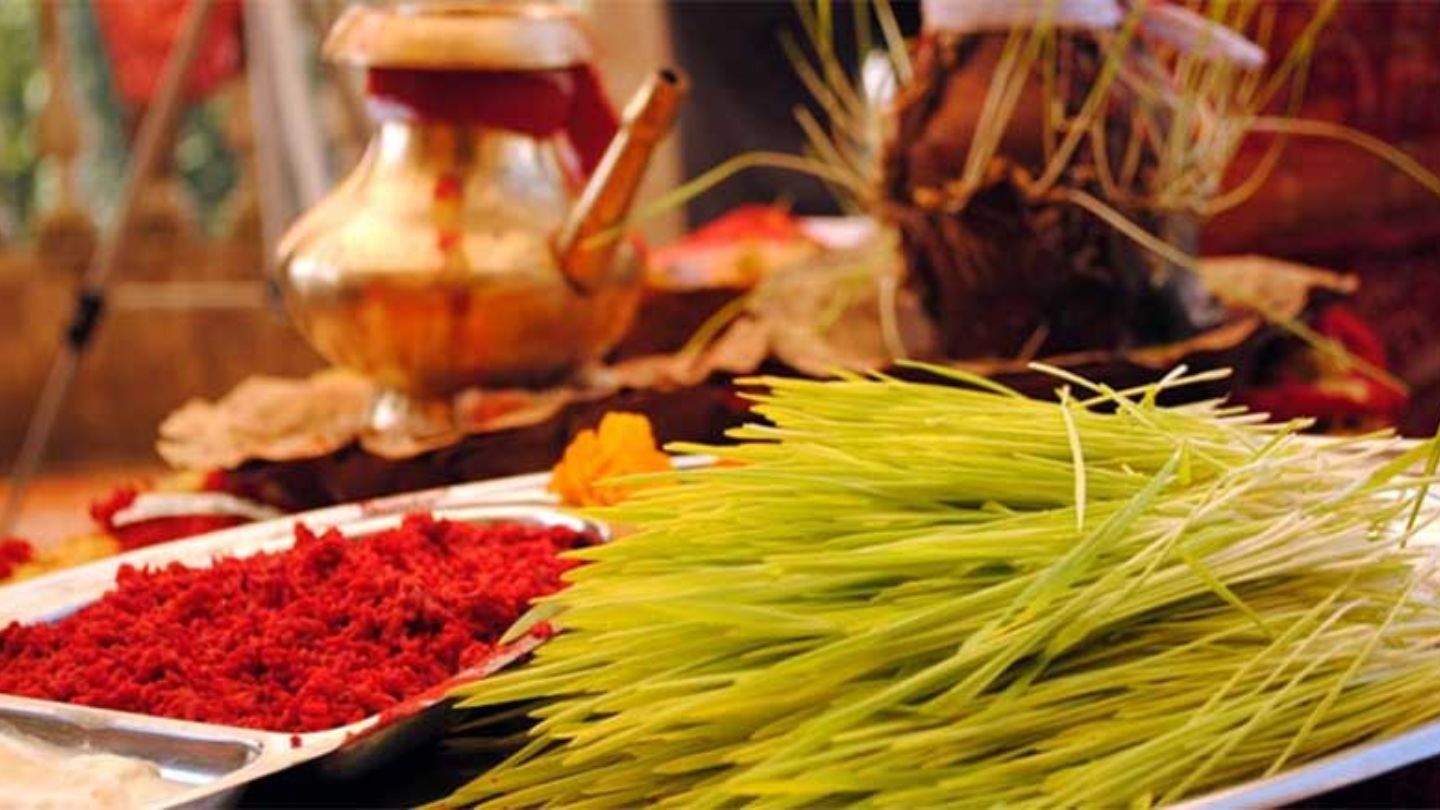
Dashain should be celebrated according to one's financial means, without the pressure to imitate others, show off, or spend unnecessarily. As a festival that strengthens family affection, harmony, unity, and togetherness, Dashain should place greater importance on traditional customs and personal relationships than on expensive celebrations and social competition.
Dashain is an important cultural and religious festival in Nepali society. It holds special significance as an occasion for family reunions, receiving tika, jamara, and blessings from elders, and sharing happiness. However, the tendency to spend beyond one's financial capacity to keep up with others can create financial pressure alongside the joy of the festival.
Financial Pressure Caused by Social Comparison and Extravagance
During Dashain, associating new clothes, expensive goods, elaborate feasts, and dakshina with social status can create pressure to spend unnecessarily. It is unreasonable to judge the value of one's celebration by what others wear, how much they spend, or how much dakshina they give.
Every family has different levels of income, savings, and financial responsibilities. Borrowing money to compete with someone else's lifestyle can make it difficult to meet household expenses, educational costs, medical bills, and other essential needs after the festival.
Therefore, the joy of Dashain should be found not in the amount of money spent but in family affection, mutual respect, and personal satisfaction.
Plan a Budget and Shop According to Actual Needs
When preparing for Dashain, it is useful to prepare a budget that considers income, savings, and regular expenses. Families can estimate the costs of food, clothing, transportation, dakshina, and other necessities and plan their celebrations within the money available.
Preparing a shopping list, comparing prices, and avoiding unnecessary purchases can help manage expenses. Rather than buying products simply because stores offer discounts or advertisements appear attractive, priority should be given to genuine needs and financial capacity.
In particular, money set aside for children's education, medical treatment, regular household expenses, and emergencies should not be spent on extravagant festival celebrations.
Value Blessings and Family Affection More Than Dakshina
The tradition of receiving tika, jamara, and blessings from elders during Dashain holds special cultural significance. Dakshina, or money traditionally given during the occasion, is also part of the celebration. However, the amount of dakshina should not become a measure of social prestige or financial status.
Social expectations to give more dakshina than one can afford may create unnecessary pressure on families. Therefore, dakshina should not become a matter of competition and should instead be given according to one's financial means.
Children should also be taught to value blessings, affection, and family relationships more than the amount of money they receive. Dashain can also be an opportunity to teach them about using money responsibly, saving, and appreciating the value of hard work.
Respect Social Harmony and Be Considerate of Others
Dashain does not arrive under the same financial and social circumstances for every family. Some people may struggle to afford festival expenses because of financial hardship, unemployment, disasters, or family problems.
For some families, buying new clothes may be a routine part of the celebration, while for others, meeting daily necessities may itself be challenging. In such circumstances, it is important to respect other people's situations and feelings while enjoying one's own celebrations.
According to their means, individuals and families can provide food, clothing, or other essential assistance to economically disadvantaged households, children without parental care, people in need, and older adults who lack support. Such assistance should take into account the recipients' actual needs, wishes, and dignity.
The purpose of helping others should be to express humanity, goodwill, and compassion rather than to seek publicity or display generosity.
Celebrate Dashain Safely, Responsibly, and Traditionally
Dashain traditions may differ among families, communities, and regions. These differences should be respected while celebrating the festival in a peaceful, safe, and friendly atmosphere.
People should avoid excessive spending on entertainment, creating disturbances under the influence of alcohol, setting off firecrackers recklessly, or engaging in activities that disturb the peace and safety of others.
Instead, attention can be given to spending time with family members, receiving blessings from elders, strengthening relationships with relatives, and respecting cultural traditions.
Enjoying the festival without inconveniencing others or placing unnecessary strain on one's finances is a responsible way to celebrate.
Prioritize Family Relationships Over Spending
The significance of Dashain is not limited to expensive clothes, elaborate feasts, or large amounts of dakshina. Its special value lies in bringing families together, strengthening mutual respect, promoting harmony, and sharing happiness.
Rather than trying to match the celebrations of others, families should consider their financial circumstances and essential needs. Traditional customs, social harmony, and family affection can be prioritized without taking on unnecessary debt or financial burdens.
Celebrating Dashain as an occasion to strengthen relationships, respect cultural traditions, and share happiness within available resources reflects the festival's underlying spirit more meaningfully than turning it into a competition over spending.




Comments 0
No comments yet. Be the first to start the conversation.