



What is the purpose of education? Is it to earn good grades, obtain academic qualifications, secure employment, or achieve financial independence? All these are important outcomes of education. However, the true meaning of education extends beyond these achievements. Education should also develop a person's thinking, behaviour, judgment, and outlook on life.
Education is the foundation of awareness. It helps individuals distinguish right from wrong, find solutions to problems, recognize their abilities, and become responsible members of society. Being educated does not simply mean acquiring information. It also means being able to use knowledge for personal development and the well-being of society.
Today, discussions about educational quality often focus on examination results, academic achievement, employment, and professional success. Although these aspects are important, evaluating education solely through these measures can overlook its human, social, and ethical purposes.
Quality education promotes the development of character, sensitivity, independence, creativity, and social responsibility alongside knowledge and skills. Its goal is to enable individuals not only to manage their own lives but also to make positive contributions to other people and society.
What Is Quality Education?
Quality education is an approach to learning that focuses on the balanced development of an individual's intellectual, practical, social, ethical, emotional, and creative abilities.
It goes beyond helping students understand textbook content. It also prepares them to apply what they have learned in real-life situations.
Quality education gives importance to both acquiring knowledge and applying it. Remembering the definition of a subject is one achievement, while understanding its meaning and applying it in practice is another important achievement.
For example, a student studying environmental conservation may be able to explain the causes and effects of pollution. However, when that student begins practising proper waste management, using water responsibly, and conserving natural resources in daily life, the learning has become practically useful.
In this sense, quality education goes beyond accumulating knowledge. It involves developing behaviour, attitudes, and a sense of responsibility. This broader perspective is also central to holistic education, which considers different dimensions of human development.
The Purpose of Education Is Not Limited to Employment
Employment and financial independence are important objectives of education. Being able to work according to one's interests and abilities, develop professional skills, and identify livelihood opportunities are valuable educational outcomes.
However, earning a good income does not necessarily mean that a person has received quality education in every respect.
A financially successful person also needs social responsibility, ethical conduct, human sensitivity, and an understanding of family relationships. When these aspects are weak, financial prosperity alone cannot ensure a balanced life.
On the other hand, it is equally inappropriate to conclude that an educated person's inability to find employment is entirely the result of poor education. Employment opportunities, labour market conditions, required skills, experience, and economic circumstances also influence employment outcomes.
When evaluating education, it is necessary to consider not only how much a person earns but also what they have learned, how they apply their knowledge, and what role they play in personal and social life.
Education should aim not only to prepare individuals for employment but also to help them make informed and thoughtful decisions in different life situations.
The Need for Practical and Life Skills Education
Life skills education refers to learning that develops the knowledge, skills, and behaviours needed in everyday life. It helps individuals think, make decisions, solve problems, and work cooperatively with others in real situations.
Knowledge gained from textbooks is important. However, when students do not have opportunities to apply that knowledge, they may find it difficult to understand its practical value.
For example, studying mathematics is not limited to solving problems in examinations. Mathematical knowledge can also be used to manage daily expenses, plan available resources, and compare different options.
Similarly, the purpose of language education goes beyond learning grammar and vocabulary. It should help students express their ideas clearly, understand others, communicate effectively, and develop reasoned opinions on different subjects.
Science education can help students understand natural phenomena while also developing the habit of asking questions, seeking evidence, and drawing conclusions based on reasoning.
When students can connect what they learn with everyday life, it becomes easier for them to recognize the usefulness of their studies. This connection between theory and application explains the importance of practical education.
Essential Skills That Life Skills Education Should Develop
Life skills education can place importance on the following abilities:
-
Identifying problems and exploring possible solutions.
-
Expressing ideas clearly and respectfully.
-
Developing independent thinking and sound decision-making.
-
Managing time, resources, and personal responsibilities.
-
Practising cooperation, empathy, and teamwork.
-
Learning and adapting to new situations.
-
Understanding personal emotions and responding appropriately in difficult circumstances.
These skills can develop through formal schooling as well as experiences at home, in the community, and in everyday life.
The Role of Education in Developing Ethical Values and Character
Knowledge can make people capable, but ethical awareness is important in determining how that knowledge is used.
The purpose of education is not simply to make individuals knowledgeable. It should also help them become honest, responsible, tolerant, and compassionate.
Moral education encourages people to understand how their behaviour affects others. Values such as integrity, justice, discipline, equality, empathy, and kindness are important in personal and social life.
For example, a student may achieve excellent examination results. However, if that student cannot respect other people's opinions, acknowledge personal mistakes, or accept responsibilities, certain aspects of personal development still require attention.
For this reason, students' behaviour, willingness to help others, and sense of responsibility deserve attention alongside academic achievement.
Ethical values do not develop through lectures or advice alone. The school environment, teachers' behaviour, parental involvement, and students' social relationships also influence their development.
Providing students with opportunities to practise respectful communication, fair treatment, cooperation, and responsibility is one way to connect moral education with everyday life.
The Relationship Between Education and Social Responsibility
Education is connected with social well-being as well as personal development. Because individuals are members of society, their knowledge, skills, and decisions can affect other people's lives.
Quality education should make individuals aware of their responsibilities alongside their rights. It can help develop respect for social diversity, cooperation, equal treatment, and a sense of responsibility toward shared problems.
Educated individuals can seek to understand social problems, examine their causes, and contribute to possible solutions according to their abilities.
For example, when a community faces sanitation problems, identifying what one can personally do instead of leaving the entire responsibility to others is an example of social responsibility.
Similarly, treating people with different languages, cultures, opinions, or lifestyles respectfully is an important social dimension of education.
Knowledge must be accompanied by good judgment and sensitivity to maintain cooperation, harmony, and mutual respect in society.
Quality education connects these qualities with an individual's overall development.
Environmental Conservation and Responsibility Toward Nature
Human life is closely connected with the natural environment. Water, air, land, forests, and other natural resources are essential foundations of human life.
Developing a sense of responsibility toward the environment should be another important objective of education.
Environmental education helps students understand the importance of natural resources, the problems caused by pollution, and the effects of human activities on nature.
However, memorizing environmental facts is not enough. Students also need opportunities to connect their knowledge with daily behaviour.
Activities such as planting trees, separating waste, maintaining cleanliness, conserving water, and observing the local environment can make environmental learning more practical in schools and communities.
The purpose of these activities should not be limited to student participation. Students should also understand why these activities are necessary and what their long-term importance is.
Education that develops responsible use of natural resources and sensitivity toward the environment is connected with broader social responsibility beyond individual interests.
Quality Education and a Balanced Life
Success in life is not determined solely by financial achievements or professional status. Health, mental well-being, family relationships, social security, personal satisfaction, and a positive outlook on life are also important.
An individual may earn sufficient income while experiencing ongoing mental stress, loneliness, or an unbalanced lifestyle. Education should not be limited to preparing people for financial success.
Quality education should help individuals understand their needs, abilities, interests, and limitations.
It should also focus on developing the ability to recognize difficulties, communicate about problems, seek necessary support, and use available resources wisely.
Emotional development is another important aspect. The ability to understand other people's feelings, express disagreements respectfully, and behave responsibly in relationships is useful at different stages of life.
The meaning of a fulfilling life may differ from person to person. Some individuals may value spending time with family, while others may prioritize creative work, social service, education, or professional achievements.
Education should help individuals understand these different needs and life goals and make thoughtful choices.
The Need for Quality Education in Nepal's Education System
In Nepal, too, the purpose of education cannot be adequately understood through examination results, certificates, and employment alone.
An important question is how students can apply the knowledge they acquire through formal education in daily life, work, and social interactions.
Curriculum content, teaching methods, assessment systems, and learning environments should support students' overall development.
For this purpose, theoretical knowledge and practical skills should be viewed as complementary rather than competing aspects of education.
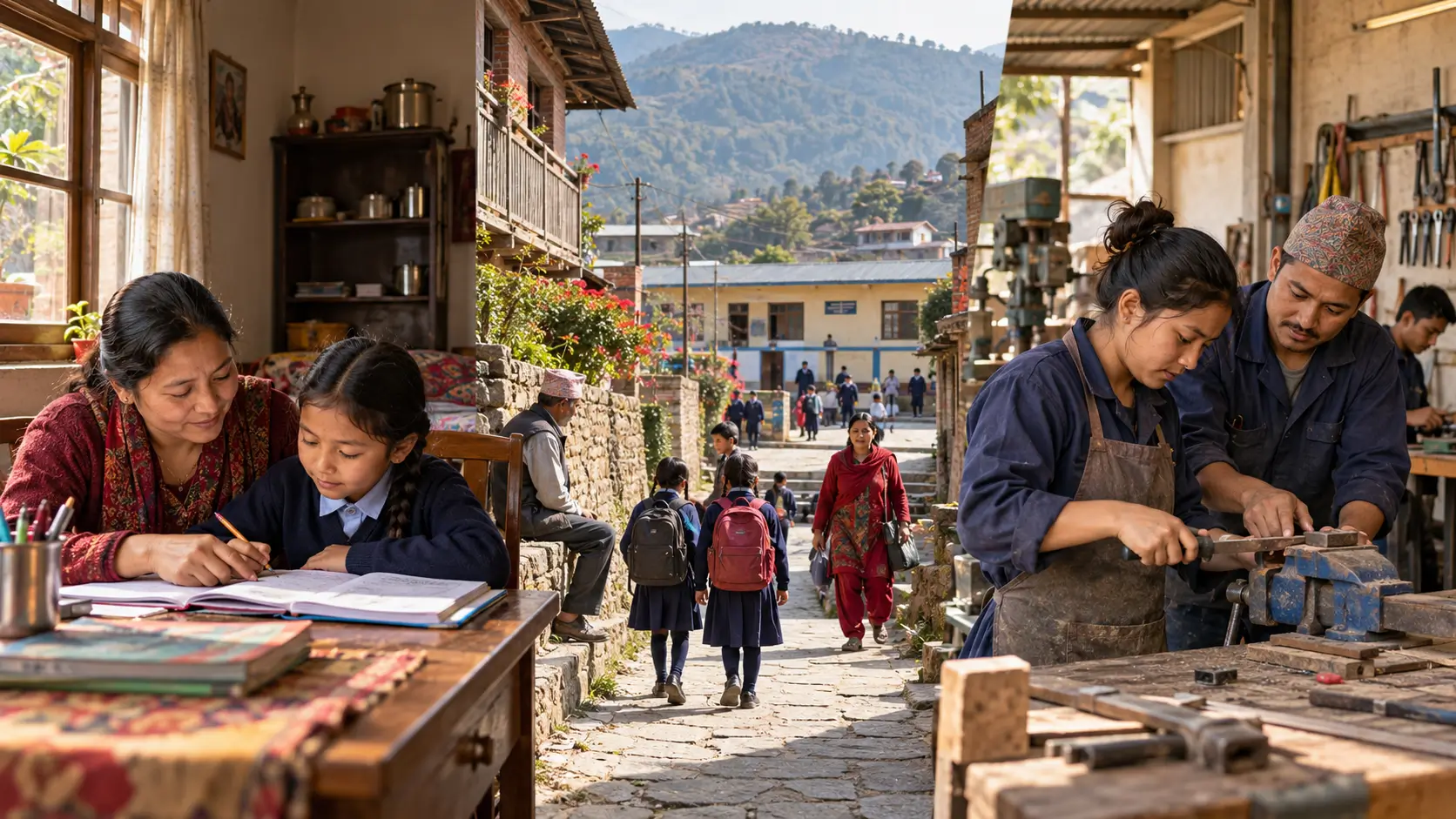
Vocational and skills-based education can contribute to the development of work-related abilities. Similarly, general and academic education can establish a foundation for subject knowledge, analytical thinking, and further study.
The importance of these educational pathways may differ according to students' needs, interests, abilities, and future goals. In this context, understanding the quality of education in Nepal can help explain broader educational concerns.
Regardless of the educational pathway chosen, the development of ethical awareness, social responsibility, human relationships, and life skills should not be neglected.
The Need to Improve Teaching and Learning
Quality education requires attention not only to how much information students can remember but also to how well they understand subjects and apply their knowledge.
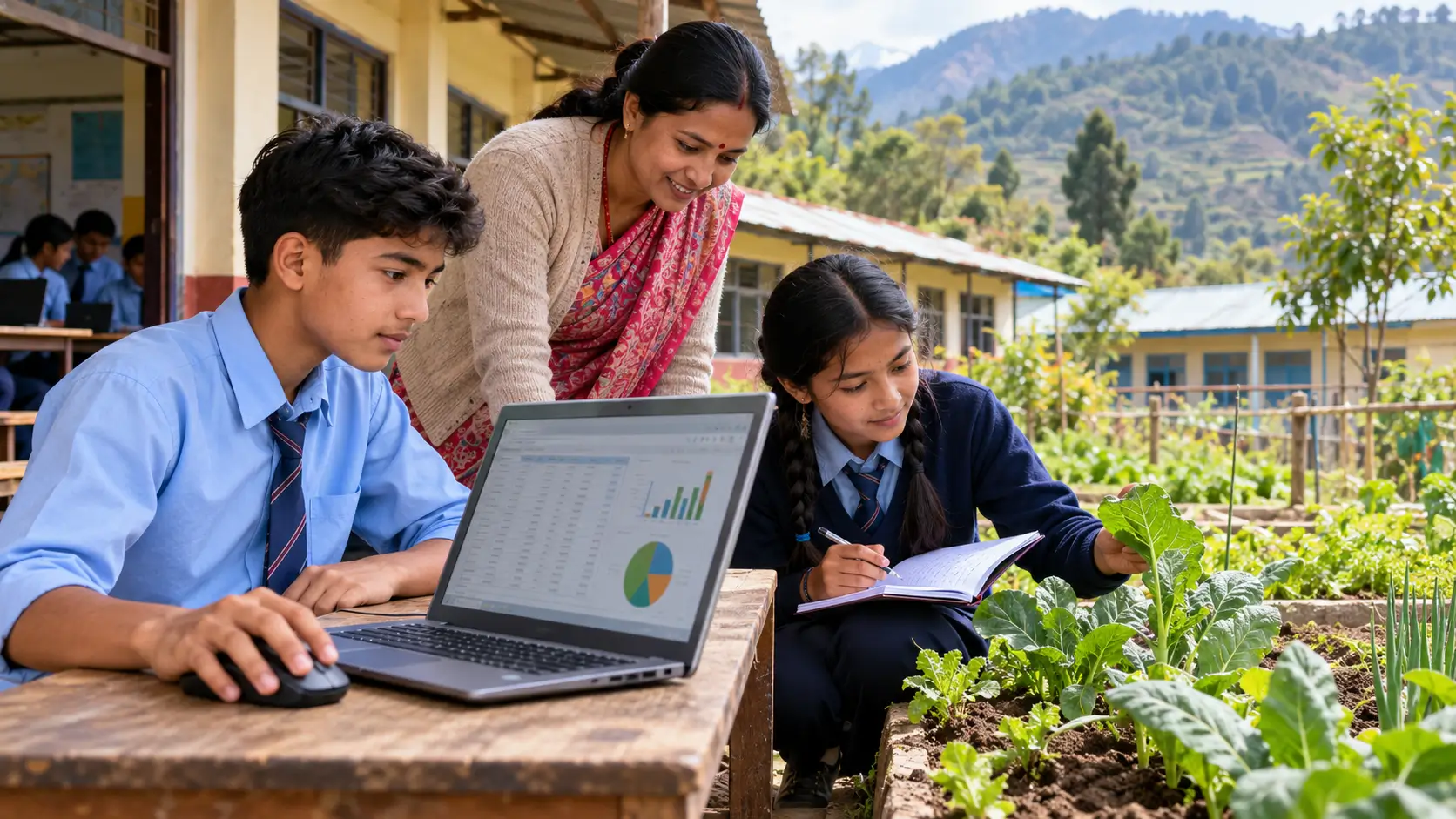
Appropriate teaching methods can include question-and-answer sessions, discussions, practical exercises, project-based work, and problem-solving activities.
These approaches can help students move beyond passively receiving information and become active participants in the learning process.
Learning activities should be selected according to students' ages, subjects, available resources, and local circumstances.
Giving Importance to Overall Development in Assessment
Examinations help measure students' academic achievement in particular subjects. However, a single examination result cannot fully assess every ability, interest, or behavioural characteristic of a student.
In addition to written examinations, practical assignments, presentations, projects, continuous classroom activities, and creative work can be used appropriately to assess learning.
These methods can provide information about students' subject knowledge and their abilities to reason, communicate, solve problems, and cooperate with others.
Understanding the distinction between learning objectives and learning outcomes can also help clarify what education aims to achieve and what students have actually learned.
However, any assessment method should consider clear criteria, fairness, and students' learning levels.
Who Is Responsible for Developing Quality Education?
The responsibility for providing quality education does not belong to schools or teachers alone. Students, parents, educational institutions, communities, and educational policymakers all have important roles.
Role of Teachers and Educational Institutions
Teachers can help students ask questions, express their opinions, and understand the meaning of what they learn while teaching the prescribed curriculum.
Educational institutions should focus on creating safe, respectful, and participatory learning environments.
Recognizing students' different abilities, learning speeds, and individual needs is equally important. It is not appropriate to assume that all students learn in the same way or progress at the same pace.
Role of Parents
Parents can pay attention to their children's behaviour, interests, emotions, and development of everyday life skills alongside academic achievement.
Instead of treating examination marks as the only measure of success, parents should also value students' learning efforts, sense of responsibility, and improvements in behaviour.
A home environment that encourages communication, cooperation, shared responsibilities, and respectful behaviour can contribute to children's social and ethical development.
Role of Students
Students are active participants in the learning process. Making an effort to understand lessons, asking questions about unclear subjects, and seeking opportunities to apply acquired knowledge are important for effective learning.
Recognizing personal weaknesses, learning from mistakes, and cooperating with others also contribute to individual development.
Role of Policymaking and Educational Management
Efforts to improve educational quality should address curriculum, teacher professional development, educational resources, assessment, and students' diverse needs.
Alongside access to education, attention must be given to meaningful learning achievements and students' overall development.
Educational policies can also prioritize maintaining a balance between knowledge, professional skills, and human values.
How Can Quality Education Be Identified?
Examination results alone are not sufficient to determine whether an educational process provides quality learning. It is necessary to evaluate different aspects of students' learning and development.
The following questions can help assess educational quality:
-
Can students understand the meaning of subject content rather than simply memorize it?
-
Can they apply acquired knowledge and skills in real-life situations?
-
Can they use reasoning and evidence when facing new problems?
-
Can they express their ideas clearly and listen to the opinions of others?
-
Are they developing cooperation, discipline, honesty, and responsible behaviour?
-
Do they demonstrate respect for social diversity and human values?
-
Are they aware of environmental issues and community well-being?
-
Are they learning to reflect on their abilities, interests, and needs and make informed decisions?
These questions provide a basis for examining students' overall development. However, not every aspect can be measured using a single standard. Students' ages, backgrounds, learning opportunities, and individual circumstances must also be considered.
Evaluating quality education is a continuous process. Its purpose should be not only to identify achievements but also to recognize areas requiring improvement.
Conclusion
The true value of education cannot be determined solely through certificates, examination results, professional positions, or income. Although these achievements are important, equal attention should be given to how education develops an individual's thinking, behaviour, judgment, character, and outlook on life.
Quality education connects knowledge with practical application, skills with responsibility, and personal success with social well-being. It aims to help individuals become independent while developing empathy, sound judgment, and responsible citizenship.
While prioritizing professional competence, employment, and financial independence, education should not neglect ethics, mental well-being, social relationships, environmental responsibility, and human values.
Meaningful improvements in the education system should reflect these broader objectives. Curricula, teaching methods, and assessment systems need to recognize practical abilities and human development alongside intellectual achievement.
Ultimately, the importance of quality education lies not only in how much an individual knows but also in how that knowledge is used, how the individual treats others, and how responsibly they contribute to their own life and society.



Comments 0
No comments yet. Be the first to start the conversation.