Jubilant College (Kalimati, Kathmandu) offers NEB Grade 11–12 programs (Science, Management, Humanities, Law) and Tribhuvan University (TU) bachelor’s programs (BBS).
Founded in 2064 BS (2007 AD) and located in Kalimati, Kathmandu, Jubilant College runs NEB-accredited higher secondary programs and undergraduate programs affiliated to Tribhuvan University (TU). Its pedagogy combines lectures, tutorials, group work, presentations, research orientation, and frequent internal assessments. The college also operates clubs, sports, and community activities that support student growth alongside academics.
Location: Kalimati, Kathmandu
Established: 2064 BS
Affiliations: NEB (Grade 11–12); TU (BBS)
Programs: +2 Science, +2 Management, +2 Humanities, +2 Law; BBS
Admission: Entrance test (Math/English/GK), interview, weighted with prior marks
Class Hours: Morning 6:30–11:00; Day 11:30–3:45
Scholarships: Merit-based (SEE GPA + entrance score) with defined seat quotas per bracket
Facilities: Science & computer labs, library, cafeteria, hostel, playground; clubs and ECAs
Teaching Approach: Lectures, tutorials, participatory learning, appreciative inquiry activities, research exposure, regular tests and term exams
Jubilant College runs four NEB streams: Science, Management, Humanities, and Law. Instruction follows NEB policies for curriculum and examination, with internal tests and a final board exam administered under NEB. Students select compulsory and optional subjects within each stream, with class shifts scheduled morning/day for flexibility.
Science: English, Physics, Chemistry, Mathematics/Nepali; optional choices include Biology, Computer Science, and Business Studies depending on grade level.
Management: English, Accountancy, Economics/Nepali; optional sets include Business Studies, Computer Science, and Mathematics.
Humanities: English, Nepali, plus options such as Economics, Sociology, Population Studies, Health & Physical Education, Major English.
Law: English, Nepali, Nepalese Legal System, Civil/Criminal Law & Justice, Legal Drafting, Procedural Law, Constitutional Law, Human Rights (by grade progression).
Eligibility:
Science: SEE GPA ≥ 3.0 with C+ in Science and Mathematics, C in other subjects.
Management: SEE GPA ≥ 2.7 with C in all subjects.
Note on framework: NEB manages the national schedule, notices, and results for Grade 11–12 board examinations. Refer to NEB’s official portal for current notices and annual calendars.
BBS at Jubilant College aligns with TU’s Faculty of Management structure. The program builds foundations in accounting, finance, marketing, HRM, economics, and research methods, culminating in project work during final year per TU guidelines.
Learning at the college includes case discussions, tutorials, research-oriented classes, internships or field exposure through banks and companies (as available), and continuous assessments that prepare students for TU term and final exams.
Eligibility: SEE (or equivalent) with the minimum GPA by stream (see above).
Entrance Test: Mathematics, English, and General Knowledge.
Interview: Short personal interview after qualifying in the written test.
Selection: Weighted average of entrance test, interview, and SEE marks.
Class Shifts: Morning 6:30–11:00; Day 11:30–3:45 for scheduled streams.
Eligibility (TU baseline): 10+2 or equivalent from a recognized board; TU Faculty of Management prescribes subject-specific requirements and project components for BBS. Applicants should check current TU conditions and updates each cycle.
College Steps: Internal entrance assessment and interview; merit list considering prior results and entry performance.
Lectures & Tutorials: Regular sessions ensure the entire syllabus is covered on time, with tutorial support for problem-solving and writing practice.
Participatory Work: Group discussions, collaborative tasks, and class presentations encourage articulation, confidence, and peer learning.
Research Orientation: Workshops and methodology classes expose students to basic research practices that support higher studies and early professional skills.
Assessment Rhythm: Weekly tests, two term exams, and a pre-board exam promote consistent study habits and exam readiness.
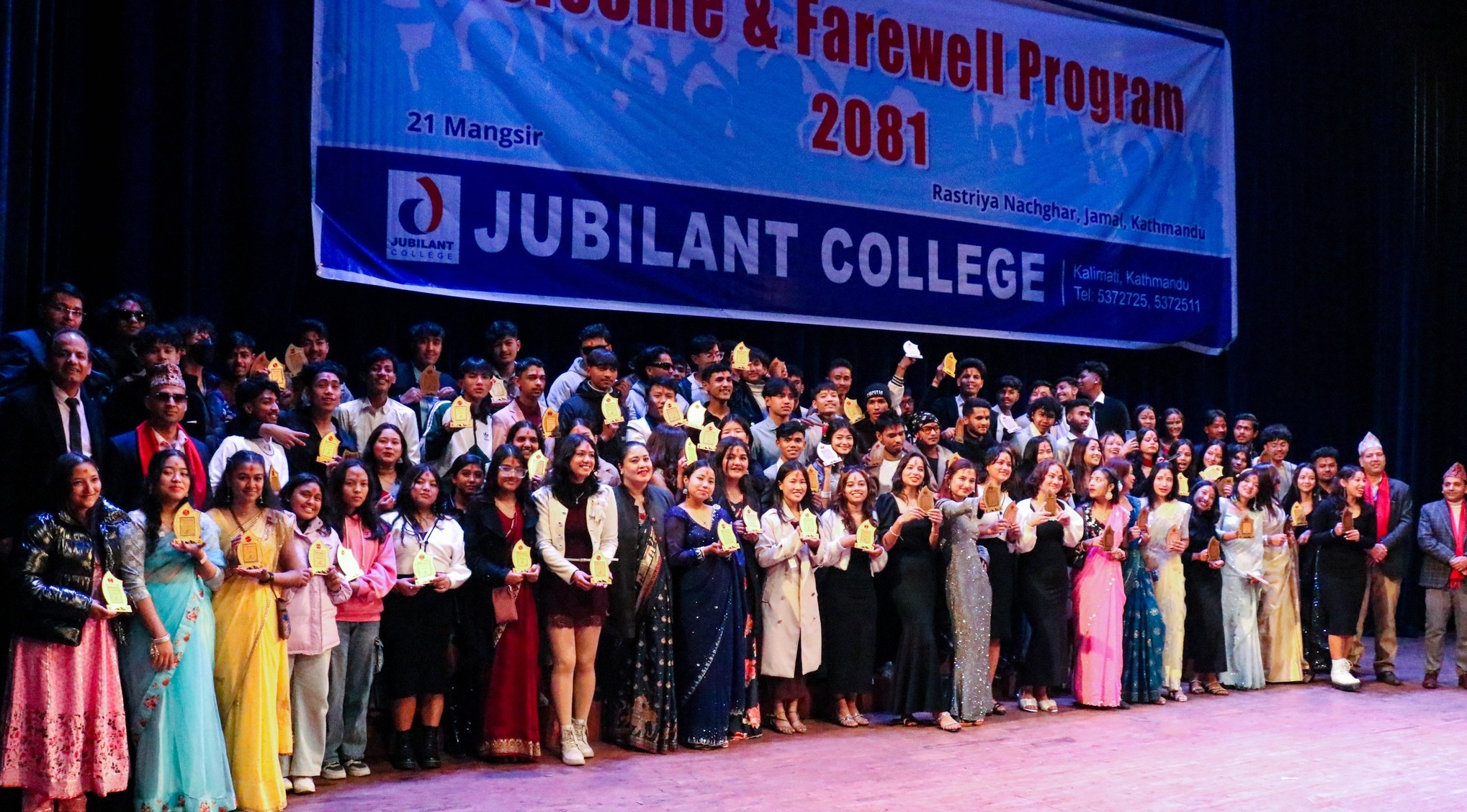
The college integrates activities informed by Appreciative Inquiry (AI) to encourage strength-focused reflection and positive engagement in learning contexts. Appreciative Inquiry is an internationally recognized change and learning approach developed by Prof. David L. Cooperrider and colleagues.
Science Laboratories: Practical spaces for Physics, Chemistry, and Biology course work.
Computer Labs: Internet-enabled systems with productivity suites; access for coursework and general skill-building.
Library: Textbooks, references, magazines, newspapers, and literature; stock updated periodically to match needs.
Classrooms: Purpose-built rooms to support lectures and presentations.
Cafeteria: Hygienic food service with safe drinking water.
Hostel: Community-oriented residential option.
Playground & Sports Areas: Space for football, volleyball, cricket, basketball, table tennis, tug of war, and more.
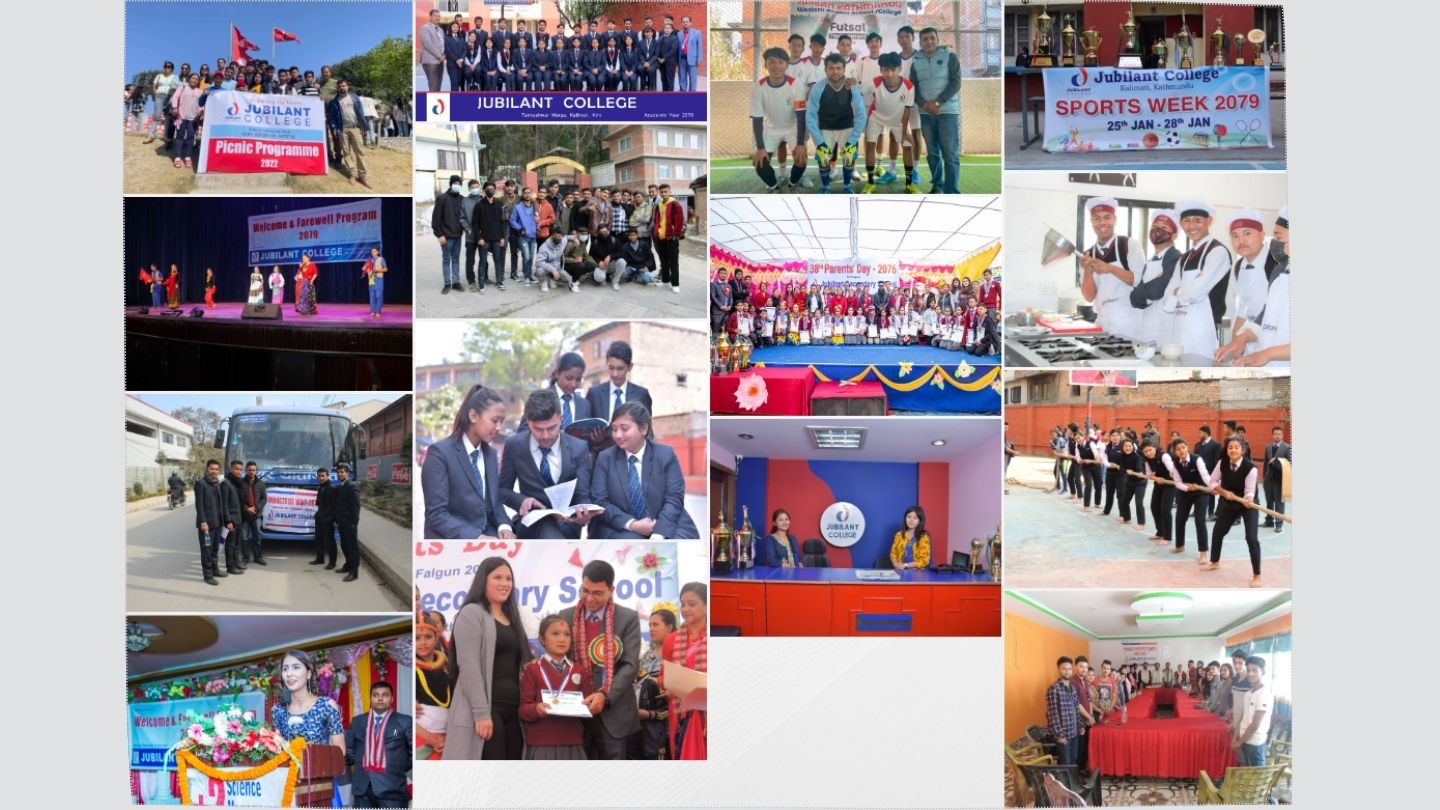
Students participate in club-led activities, field visits, observation tasks, and social events. These experiences encourage time management, peer connection, and responsibility outside the classroom. The college reports notable board-result performances among morning-shift students in past years.
Jubilant Students’ Club: Observes national/sectoral days (e.g., Environment Day, Teachers’ Day, Education Day), coordinates social work such as blood donation, site cleaning, and relief collections.
Cultural & Literary: Debate, speech, and quiz events; music and dance competitions.
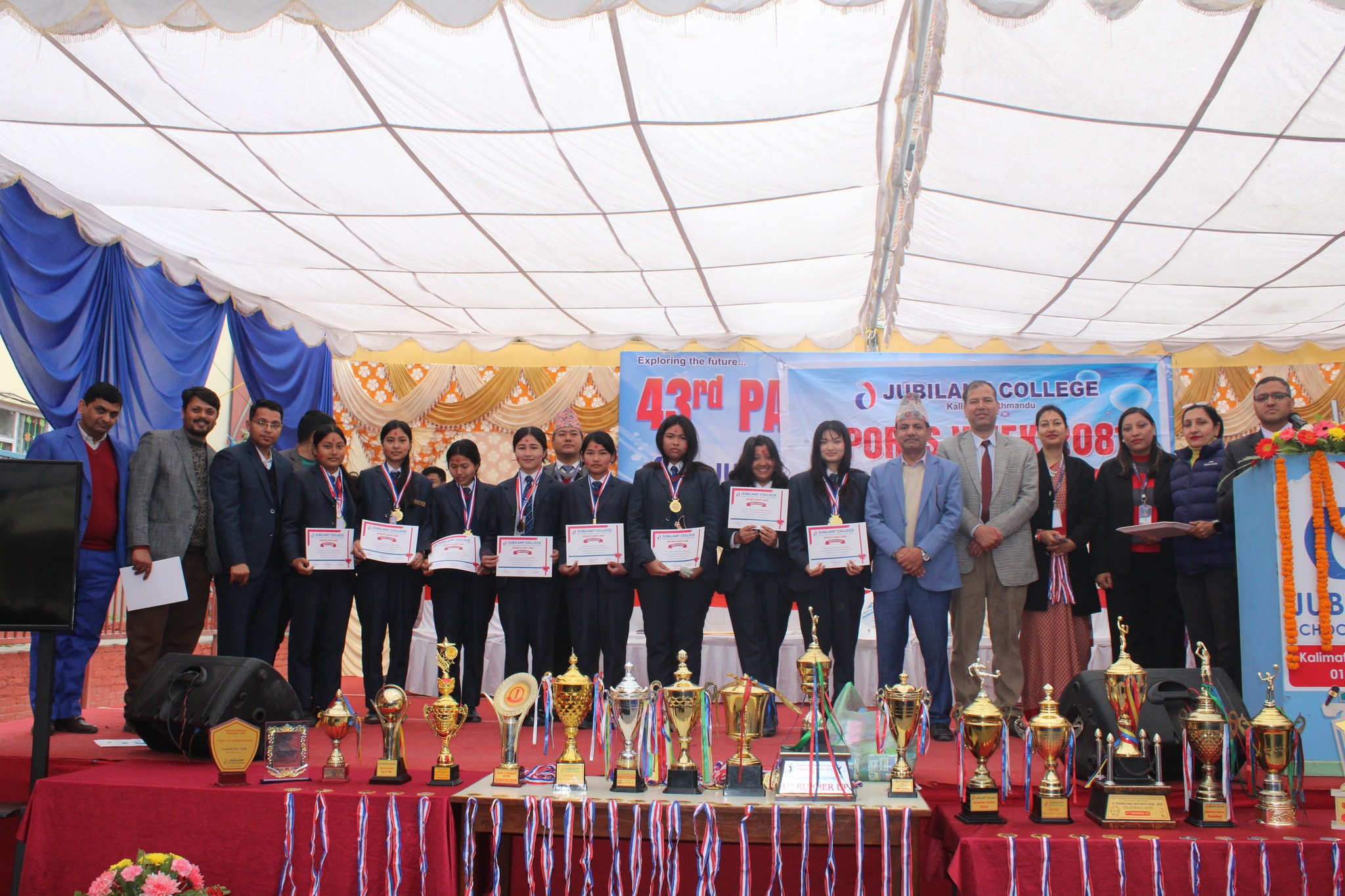
Sports: Inter- and intra-college tournaments across multiple games.
GPA 4.00 + entrance ≥ 85%: 100% tuition & annual fee (all eligible)
Min GPA 3.85 + entrance ≥ 80%: 75% (limited seats)
Min GPA 3.65 + entrance ≥ 75%: 50% (limited seats)
Min GPA 3.25 + entrance ≥ 70%: 25% (limited seats)
Min GPA 3.00 + entrance ≥ 70%: 20% (limited seats)
GPA 4.00 + entrance ≥ 85%: 100% tuition & annual fee (all eligible)
Min GPA 3.75 + entrance ≥ 80%: 75% (limited seats)
Min GPA 3.55 + entrance ≥ 75%: 50% (limited seats)
Min GPA 3.35 + entrance ≥ 70%: 25% (limited seats)
Min GPA 3.15 + entrance ≥ 70%: 20% (limited seats)
Min GPA 2.85: 20% (limited seats)
School Toppers: 100% on admission and monthly fee (as listed).
Scholarships are non-cumulative beyond 100%, require academic standing and discipline, and may be discontinued if attendance gaps or exam failures occur (re-exams mandated for internal failures).
Multi-program expansion since 2064 BS: From +2 to bachelor’s level offerings with NEB and TU systems.
Student outcomes: The college cites improved board results in select cohorts and active alumni in corporate and social sectors.
Academic ecosystem: Regular tests, term exams, and a defined pre-board cycle embedded in the calendar.
Location and access: Central Kathmandu location with public transport reach.
Defined learning cycle: Weekly tests, term exams, and pre-board for exam readiness.
Labs and library: Facilities to support science practicals, computer skills, and reading culture.
Active campus life: Student clubs, sports, cultural programs, and social work.
Clear scholarship rules: Transparent GPA and entrance-based brackets with seat counts.
Alignment to national systems: NEB for +2 and TU for bachelor’s create recognized pathways to university and employment.

Jubilant College began with a simple idea: learning should guide young people toward clear thinking, sound judgment, and useful skills. Our programs follow the National Examinations Board and Tribhuvan University frameworks, so students progress with recognized standards and transparent assessment. We value curiosity, careful reading, and the habit of asking better questions. Classroom work is supported by tutorials, projects, presentations, and regular tests so that study remains steady across the year, not rushed at the end.
We pay equal attention to ethics, language proficiency, numeracy, and respectful conduct on campus and online. Clubs, sports, and community service help students practice teamwork and responsibility. Faculty members meet students during office hours and provide timely feedback on assignments and exams. Parents receive periodic updates and can request meetings whenever needed. If you join us, arrive ready to read widely, write clearly, and keep improving week by week.
Our board’s role is straightforward: keep the college accountable to students, parents, and national bodies. We approve policies on admissions, scholarships, safety, facility upgrades, and financial transparency. Scholarships follow written criteria tied to prior grades and entrance performance; results are recorded and reviewed each term. We welcome audits and external reviews, and we act on findings without delay. This culture of documentation and follow-through helps the college stay consistent year after year.
We also invest in the basics that matter most: trained faculty, a usable library, functioning labs, and classrooms that support quiet study and active discussion. Student clubs, sports events, and social outreach continue because they build discipline, time management, and respect for others. Parents and guardians are partners in this work. You will find our door open for questions about policy, fees, or student progress. Good governance is not a slogan here; it is daily practice.
A typical week at Jubilant College balances instruction and practice. Teachers cover the syllabus in planned sequences, then use tutorials for problem-solving, writing drills, and exam strategies. Weekly tests check short-term understanding. Two term exams and a pre-board round prepare Grade 11–12 students for NEB finals, while bachelor’s classes follow TU requirements with assignments and project work. Attendance, punctuality, and clean writing are non-negotiable because small habits shape long-term results.
Facilities are scheduled so students get regular lab hours, computer access, and quiet library time. Mentors guide study plans and review past papers. Class shifts help manage travel and personal routines, but students must use free periods wisely: revise notes, consult teachers, and read beyond textbooks. Parents receive progress updates and are encouraged to meet coordinators when needed. If you stay consistent—reading daily, practicing weekly, and asking for help early—you will see steady growth.
Jubilant College presents an NEB +2 path across four streams and TU undergraduate options that follow national curricula and assessment frameworks. The college outlines a predictable academic routine—entrance, interview, internal testing, pre-board—and publishes scholarship brackets tied to SEE GPA and entrance performance. Facilities and campus activities round out the experience for students who want a Kathmandu-based institution with structured study and verified affiliations.
1) Which +2 streams are available at Jubilant College?
Science, Management, Humanities, and Law.
2) How does +2 admission work?
Applicants sit for an entrance test (Math, English, GK), then an interview. Selection uses a weighted average of entrance, interview, and SEE marks.
3) What are the class shift timings?
Morning 6:30–11:00; Day 11:30–3:45.
4) Is there a scholarship policy?
Yes. Merit-based brackets use SEE GPA plus entrance performance, with specified seat numbers per bracket; continuation depends on academic progress, discipline, and attendance.
5) Which bachelor’s programs are offered?
BBS under Tribhuvan University. Refer to TU’s Faculty of Management for BBS curriculum details.
6) What learning methods are used?
Lectures, tutorials, participatory tasks, presentations, research exposure, and regular internal assessments.
7) What facilities are on campus?
Science and computer labs, library, cafeteria, hostel, playground; multiple sports and clubs.
8) Where can I find official updates?
NEB notices and annual calendars are published on NEB’s site; TU updates are posted on TU portals and the Faculty of Management pages.
Contact Jubilant College's administrative office for detailed information on the course, admissions, location, fees, scholarships, facilities, counseling or eligibility.
Jubilant College
Location: Kalimati, Kathmandu, Nepal
Email Address: Jubilantschoolandcollege@gmail.com
Phone Number: +977-1-4272725, +977-1-427251, +977-9851177846, +977-1-5372511
Website: https://www.jubilantcollege.edu.np