The Diploma in Pharmacy at Bheri Nursing College is a three-year program under the Council for Technical Education and Vocational Training (CTEVT). The college is located in Belaspur, Nepalgunj, Banke, Lumbini Province, Nepal.
The program prepares middle-level pharmacy professionals with knowledge and practical skills related to medicines, pharmacy services, pharmaceutical preparation, medication use, and patient support. Its academic structure moves from foundational science subjects in the first year to pharmacy-specific study and workplace learning in the later years.
| Particular | Details |
|---|---|
| Course: | Diploma in Pharmacy |
| Institution: | Bheri Nursing College |
| Duration: | 3 years |
| Academic System: | Yearly system |
| Affiliation: | CTEVT |
| Location: | Belaspur, Nepalgunj, Banke |
Each academic year consists of 35 academic weeks or 210 working days, with 40 hours of study per academic week, excluding examination periods.
Applicants must have passed SEE or SLC. SEE applicants require a minimum GPA of 2.0 with a C grade in Compulsory English, Mathematics, and Science, or must meet the applicable admission provisions of the CTEVT Office of the Controller of Examinations.
Applicants are required to submit SEE/SLC certificates and a citizenship or birth registration certificate. Admission also requires passing the entrance examination administered by CTEVT. Selection is made through a merit list among candidates who meet the entry qualifications and criteria.
The first year develops the scientific and academic base required for pharmacy study. Subjects include English, Nepali, Social Studies, Anatomy and Physiology, Physics, Chemistry, Zoology, Botany, and Mathematics and Statistics.
The second year moves into pharmacy disciplines, including Pharmaceutics I, Pharmacology I, Pharmaceutical Chemistry I, Pharmacognosy, Biochemistry and Microbiology, Pharmacotherapeutics I, Pharmaceutical Management, and Public Health Pharmacy. Theory and practical components are included in several subjects.
Third-year study includes Pharmaceutics II, Pharmacology II, Pharmaceutical Chemistry II, Hospital and Clinical Pharmacy, Pharmaceutical Jurisprudence and Community Pharmacy Practice, and Pharmacotherapeutics II. Students also complete Comprehensive Field Practice.
Practical study forms an important part of the Diploma in Pharmacy curriculum. Students work with pharmaceutical preparation, medicine-related calculations, laboratory procedures, clinical and hospital pharmacy concepts, and community pharmacy practice.
The third year includes eight weeks of comprehensive field practice. This consists of four weeks of Hospital Pharmacy Practice and four weeks involving a health facility, community pharmacy, pharmaceutical industry, or regulatory body.
Students must secure at least 40% in theory and 50% in practical examinations. They must also pass both internal assessment and yearly final examination requirements for each subject. Students who pass all components of all subjects across the three years receive the Diploma in Pharmacy qualification.
The curriculum also provides a pathway for registration with the relevant professional council according to applicable council provisions. Pharmacy students can refer to the Nepal Pharmacy Council for the professional regulatory context.
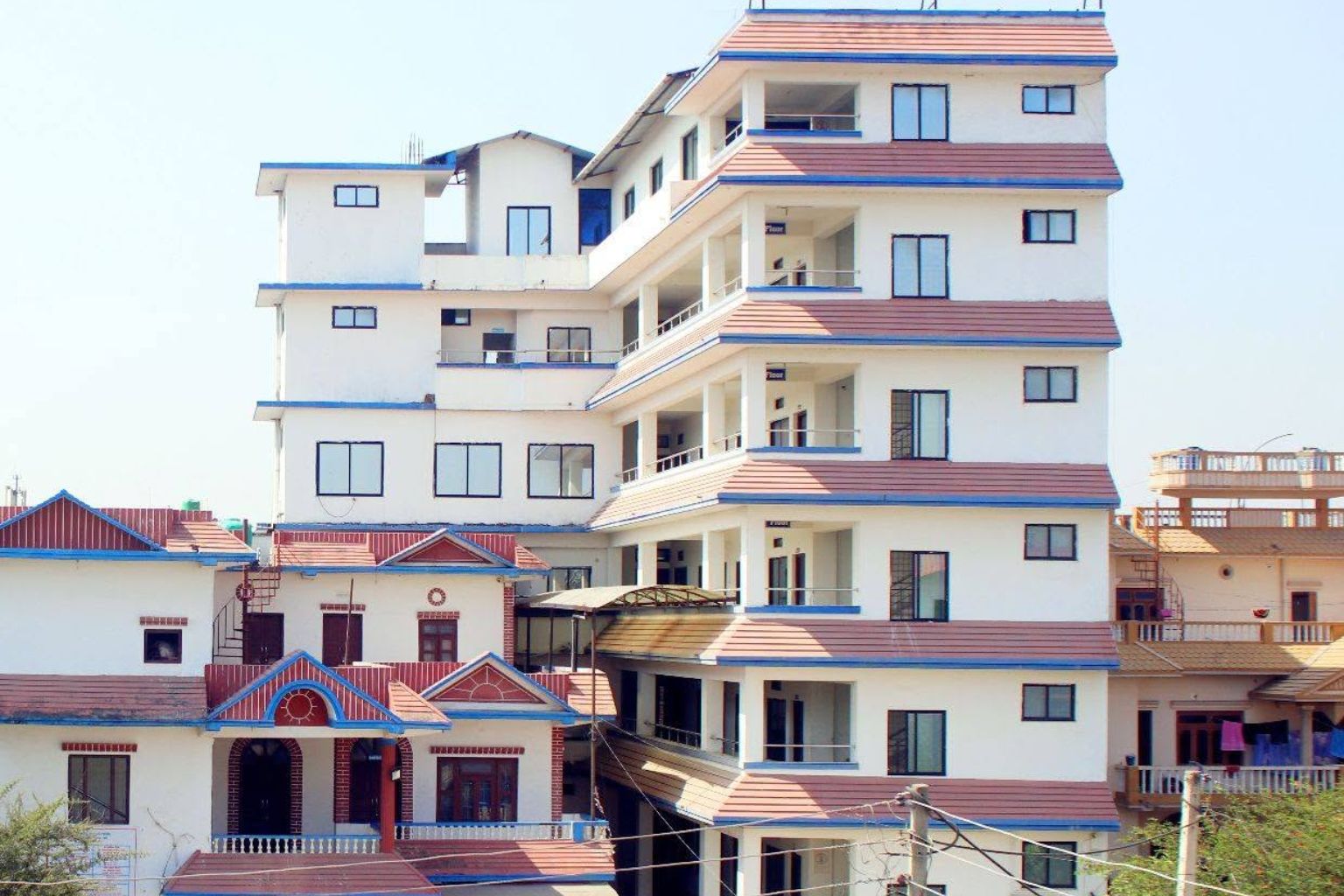
Bheri Nursing College has a library, science laboratory, hostel, cafeteria, transport, sports facilities, counseling, healthcare support, scholarships, and educational tours. Scholarships are offered on a need-cum-merit basis.
Students can contact the college administration for current information concerning admission schedules, fees, scholarship procedures, and other course-related administrative matters.