The Diploma in Pharmacy at Birat Health College in Biratnagar-4, Morang, is a three-year program under CTEVT and follows the yearly system. The curriculum was revised for the second time in 2021.
It prepares middle-level pharmacy professionals through a progression from foundational science and general subjects to pharmaceutics, pharmacology, pharmaceutical chemistry, pharmacognosy, therapeutics, public health pharmacy, hospital and clinical pharmacy, community pharmacy practice, and professional fieldwork.
The final year includes workplace learning in hospital pharmacy and other pharmacy-related settings, connecting academic study with pharmacy-assistant-level practice.
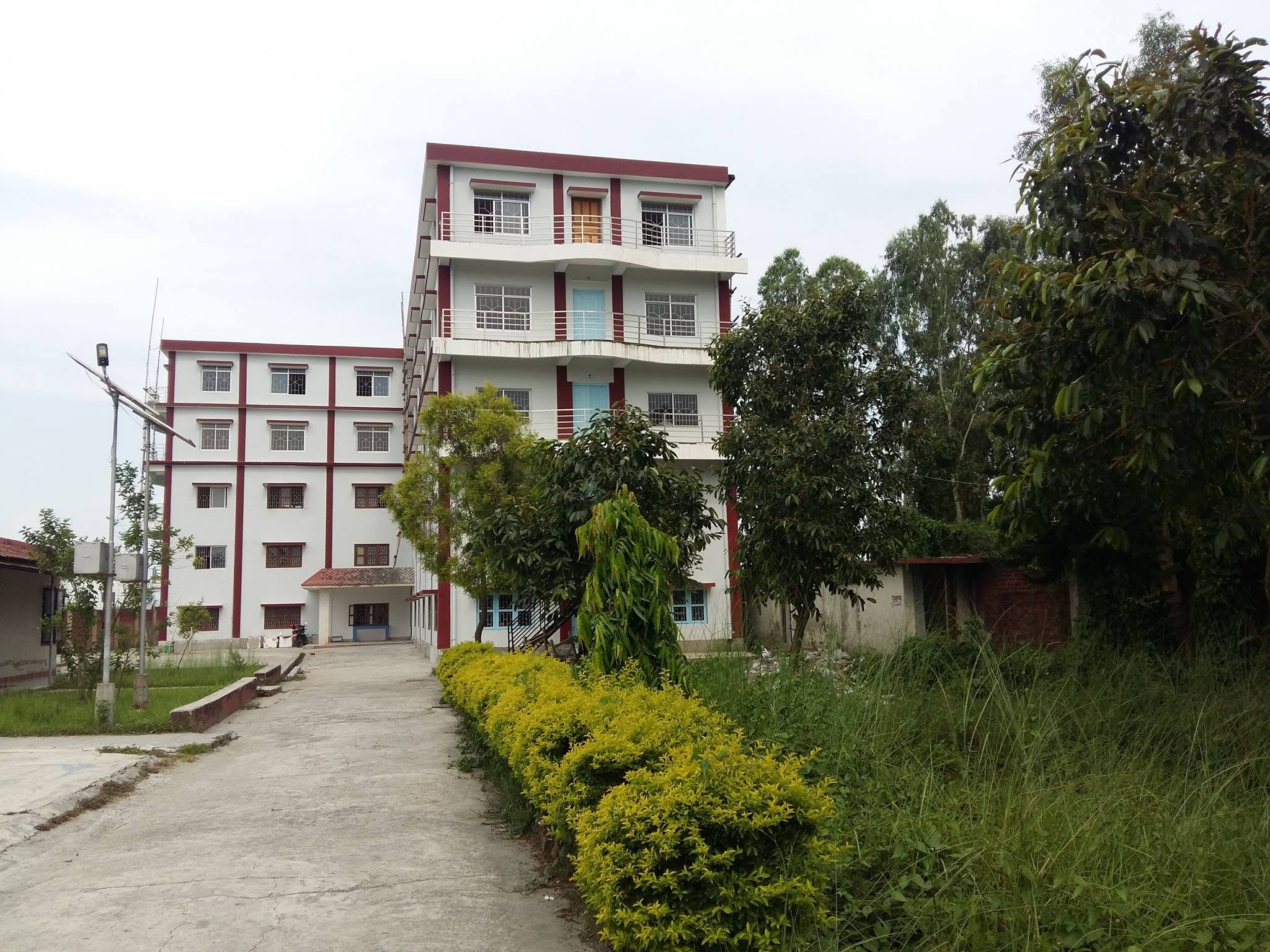
| Field | Details |
|---|---|
| Course: | Diploma in Pharmacy |
| College: | Birat Health College |
| Location: | Biratnagar-4, Morang, Koshi Province |
| Academic Body: | CTEVT |
| Duration: | 3 years |
| System: | Yearly |
| Curriculum: | Second Revision, 2021 |
| Entry Qualification: | SEE or SLC |
| Entrance: | CTEVT entrance examination |
| Field Practice: | 8 weeks in the third year |
Birat Health College is affiliated with the Council for Technical Education and Vocational Training (CTEVT) and is recognized by the Nepal Pharmacy Council along with other relevant professional councils.
The Diploma in Pharmacy extends over three academic years. Each academic year consists of 35 academic weeks or 210 working days, with 40 hours in an academic week excluding the examination period.
The first year concentrates on academic and foundational sciences. Pharmacy-specific disciplinary study becomes the main focus in the second year. The third year continues advanced pharmacy subjects and adds professional workplace practice.
Eligibility: Applicants must have passed SEE or SLC. For SEE entry, the curriculum requires a minimum GPA of 2.0 with Grade C in Compulsory English, Mathematics, and Science, or qualification according to the applicable admission provisions of the CTEVT Office of the Controller of Examinations.
Applicants must also submit the required SEE/SLC certificates and citizenship or birth registration certificate.
Applicants must pass the entrance examination administered by CTEVT. Candidates who meet the entry qualifications and admission criteria are selected on the basis of the merit list.
The curriculum permits English or Nepali as the medium of instruction. Students require at least 90% attendance in each subject to appear in the respective final examination.
The first year develops the science and general academic foundation needed for later pharmacy study.
Subjects include:
English
Nepali
Social Studies
Anatomy and Physiology
Physics
Chemistry
Zoology
Botany
Mathematics and Statistics
Science subjects include practical components alongside theory.
Pharmacy-specific study becomes central in the second year. Students study:
Pharmaceutics I
Pharmacology I
Pharmaceutical Chemistry I
Pharmacognosy
Biochemistry and Microbiology
Pharmacotherapeutics I
Pharmaceutical Management
Public Health Pharmacy
Pharmaceutics, Pharmacology, Pharmaceutical Chemistry, Pharmacognosy, Biochemistry and Microbiology, and Public Health Pharmacy include practical components.
Third-year study covers advanced pharmacy subjects and professional practice:
Pharmaceutics II
Pharmacology II
Pharmaceutical Chemistry II
Hospital and Clinical Pharmacy
Pharmaceutical Jurisprudence and Community Pharmacy Practice
Pharmacotherapeutics II
Comprehensive Professional Field Practice
Practical components accompany the major laboratory, hospital, clinical, and community pharmacy subjects.
The third year includes eight weeks of comprehensive field practice or workplace learning at 40 hours per week.
The placement structure consists of:
Four weeks of Hospital Pharmacy Practice
Four weeks covering health facility or community pharmacy practice, pharmaceutical industry, and regulatory settings
This field component is designed for students to apply pharmacy knowledge in working environments. Activities include prescription reading and dispensing, patient communication, medicine-related counseling, exposure to manufacturing and quality assurance, and pharmacy-related regulatory functions.
Across the course, students study medicine preparation, drug action, pharmaceutical chemistry, medicinal materials, therapeutic use of medicines, pharmacy management, public health pharmacy, hospital pharmacy, clinical pharmacy, community pharmacy practice, and pharmaceutical law.
Practical learning covers areas such as compounding and preparation, laboratory procedures, prescription interpretation, dispensing, medicine information, patient communication, and professional pharmacy practice.
Students must secure at least 40% in theory and 50% in practical components. They must also obtain the required pass marks in internal assessment and the yearly final examination for each subject.
Students who pass all components of all subjects across the three years are awarded the Diploma in Pharmacy. The curriculum also provides a back-paper provision, with all subjects required to be completed within six years from the enrollment date.
The curriculum is based on work performed by pharmacy assistants at different levels of public and private health institutions. Its academic and practical areas relate to hospital pharmacy, community pharmacy, medicine dispensing, pharmaceutical supply, medicine preparation, pharmaceutical production, and quality-related activities.
The curriculum states that graduates are eligible for registration with the related professional council according to the applicable council provisions. Birat Health College is recognized by the Nepal Pharmacy Council for its relevant professional discipline.
Career options depend on professional registration requirements, individual competence, recruitment criteria, experience, and available positions.
The college has laboratories covering science and health-related subjects, including chemistry and biochemistry. Students also have access to library resources, internet facilities, and tutorial classes.
Transportation is available for clinical, community, and field activities associated with health programs.
The Diploma in Pharmacy is a three-year program conducted under the yearly system.
Applicants need SEE or SLC. SEE applicants require a minimum GPA of 2.0 with Grade C in Compulsory English, Mathematics, and Science, subject to the applicable CTEVT admission provisions.
Yes. Applicants must pass the entrance examination administered by CTEVT, and selection is made on the basis of the merit list.
Second-year subjects include Pharmaceutics I, Pharmacology I, Pharmaceutical Chemistry I, Pharmacognosy, Biochemistry and Microbiology, Pharmacotherapeutics I, Pharmaceutical Management, and Public Health Pharmacy.
Yes. The third year includes eight weeks of professional field practice covering hospital pharmacy and other pharmacy-related workplace settings.
Students need a minimum of 90% attendance in each subject to appear in the respective final examination.
Students must obtain at least 40% in theory and 50% in practical components, along with the required internal and yearly final assessment marks.