If you plan to teach in Nepal’s schools and want subject choices under a TU framework, the B.Ed. at Bramhachari Damodarananda College (BDC), Mirchaiya-5, Siraha, Nepal, sets out a clear path.
Students often ask about practice teaching, subject groups, and future roles. This page explains the essentials in plain terms.
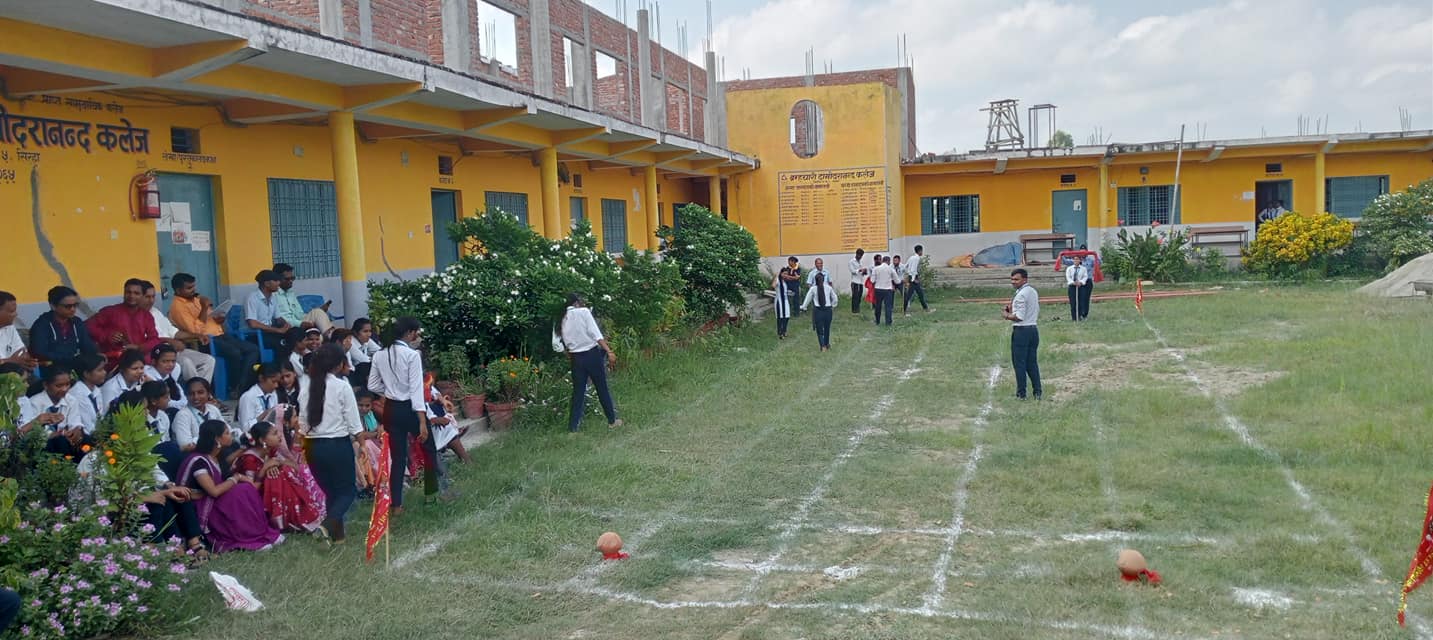
B.Ed. at BDC is a four-year TU program with a mix of pedagogy, subject specialization, and school-based practice. The college runs subject groups in English, Nepali, Health, Population, Economics, and Science Education.
The pathway fits learners who want classroom skills backed by theory and guided practice.
TU-affiliated four-year B.Ed.
Subject options: English, Nepali, Health, Population, Economics, Science Education
School observation, micro-teaching, and practice teaching at partner schools
Focus on assessment basics and inclusive classroom strategies
The structure covers foundations of education, educational psychology, curriculum and evaluation, ICT use for teaching, and classroom management.
Subject-method courses show how to teach the chosen discipline—lesson planning, activity sequencing, and assessment tools.
Practice components include micro-teaching at campus and supervised teaching in schools. Record-keeping, reflection notes, and mentor feedback help you grow with each cycle.
Build practical classroom habits for Nepali school settings
Strengthen lesson planning, assessment, and student support
Encourage inclusive strategies for mixed-ability and multilingual classrooms
Prepare for teacher licensure pathways and further study
Graduates serve in public and private schools, community schools, and learning centers. Many sit for teacher service exams or continue to M.Ed. A number work in education-related NGOs or local education offices after additional requirements.
Plan lessons with clear objectives and simple assessment criteria
Manage classrooms respectfully and efficiently
Use age-appropriate methods for language, science, health, or social subjects
Produce teaching aids and short remediation plans
Reflect on practice through lesson notes and mentor input
Lesson planning and unit mapping
Classroom communication and formative assessment
Inclusive strategies for multilingual and mixed-ability groups
Teaching aids and low-cost materials
School record-keeping and basic reporting
BDC follows TU guidelines using lectures, demonstrations, peer teaching, and supervised school practice. Faculty monitor progress through observations, portfolios, and internal assessments. Feedback cycles support steady improvement.
10+2 or equivalent from a recognized board meeting TU criteria for B.Ed.
Application form, academic transcripts, character certificate, photos, and other documents as per notice
Enrollment within campus timelines
Subject teacher in primary, lower secondary, or secondary levels (as per subject and national rules)
Roles in tuition centers and community learning programs
Pathway to M.Ed. and school leadership after further qualifications
Need-based support or partial waivers may be available per campus rules and fund availability. Official notices give categories, steps, and deadlines.
TU-recognized teacher education with real classroom practice
Subject choices that match regional school needs
Clear path toward licensure exams and M.Ed.
B.Ed. at BDC builds steady classroom skills through subject focus and guided school practice. Students learn practical methods they can apply from day one. Check campus notices for current intake and placement schools.