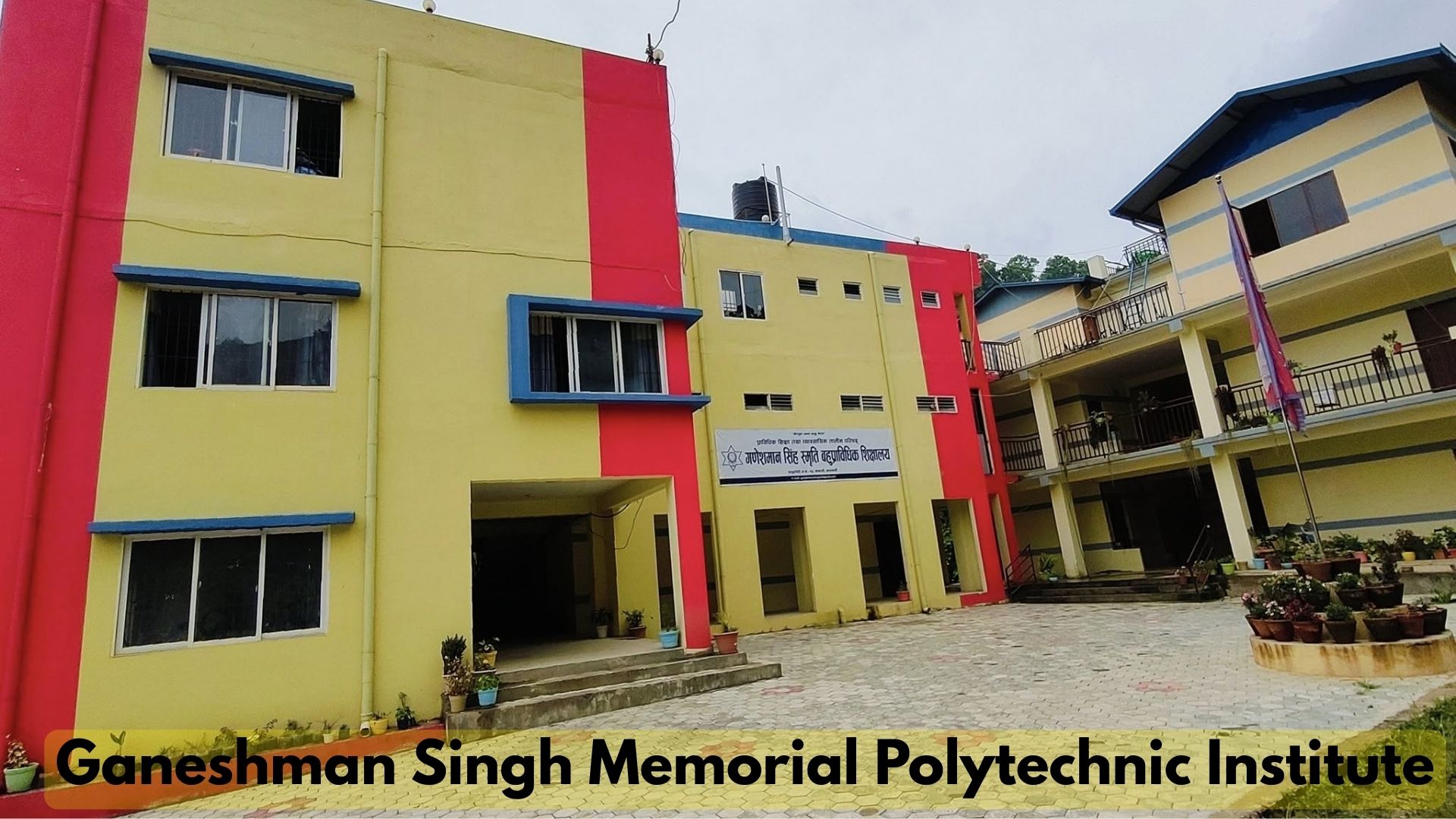
Diploma in Agriculture (Animal Science) at Ganeshman Singh Memorial Polytechnic Institute (GSMPI), Chandragiri-13, Kankali, Kathmandu, supports students who want a structured route into livestock and animal health-related technical work. The program speaks to Nepal’s continued dependence on livestock for household income, nutrition, and rural enterprise.
CTEVT’s third revision of the Animal Science curriculum in 2025 (2082 BS) signals a stronger push toward practical depth and a yearly structure that allows students to follow fuller production and management cycles.
Program level: Diploma under CTEVT
Duration: Three years under a yearly system, with 35 academic weeks per year excluding evaluation periods.
Batch size: Up to 40 students.
Learning focus: Livestock production, basic animal health, nutrition, farm operations, and service delivery
The revised curriculum frames animal science as a technical pathway for mid-level workforce needs in livestock farming and related services. The document notes the shift from semester to yearly structure and the intent to increase coherence and hands-on learning within the academic cycle.
You can expect academic exposure to subjects tied to animal nutrition, health, breeding, housing, fodder systems, and farm management. GSMPI’s institute context should connect these areas with practical learning through labs, demonstrations, and field observations that match local livestock patterns.
The national curriculum aims to produce capable animal science technicians for public and private sectors. After graduation, students should be able to:
Support livestock feeding and health routines
Assist in disease prevention and basic veterinary support under relevant systems
Help improve farm productivity through better management
Keep records and communicate technical information for farm and service settings
You will commonly build skills in:
Fodder and feed planning
Basic animal health observation and farm hygiene
Breeding and production management fundamentals
Poultry, dairy, goat, pig, or other enterprise-related practices based on learning exposure
Farm economics and small enterprise planning
The revised curriculum supports a blend of lectures, demonstrations, guided practice, project-based tasks, and field exposure. This approach fits well with an institute that can connect technical content to real livestock settings.
CTEVT’s updated entry standards for Animal Science include:
SLC/SEE or equivalent with a minimum C grade in any two subjects and D+ in one among Mathematics, Science, and English
Or completion of a relevant pre-diploma with at least 68.33%
Passing the CTEVT entrance examination
Admission following official guidelines and merit systems
This diploma can support career entry in:
Government or local projects linked to livestock services
Private farms, cooperatives, and agro-vet-related service spaces
Commercial poultry, dairy, goat, or pig farming management roles
Technical support in development programs and community-based agriculture
Scholarship categories at GSMPI should follow CTEVT rules for merit and classified quotas, with institute notices released during admission cycles.
Students who want animal science learning with an applied focus often benefit from a campus that values field-oriented training. GSMPI’s focus on high-demand diploma programs suggests a learning environment where you can connect theory to enterprise and service realities.
Diploma in Agriculture (Animal Science) at GSMPI provides a stable entry point into Nepal’s livestock economy through a curriculum updated in 2025 to strengthen practical grounding and yearly progression.
Is the Animal Science curriculum updated recently?
Yes. The third revision is dated 2025 (2082 BS).
How long is the program?
The curriculum states a three-year yearly system.
How many seats are usually available in a batch?
The group size is a maximum of 40 students.
What SEE grades are expected?
The entry rule includes C grade in any two subjects and D+ in one among Mathematics, Science, and English, with an entrance exam.
Can this diploma help me manage a livestock enterprise?
Yes. The curriculum includes technical and management learning that can support enterprise-level roles.